 01
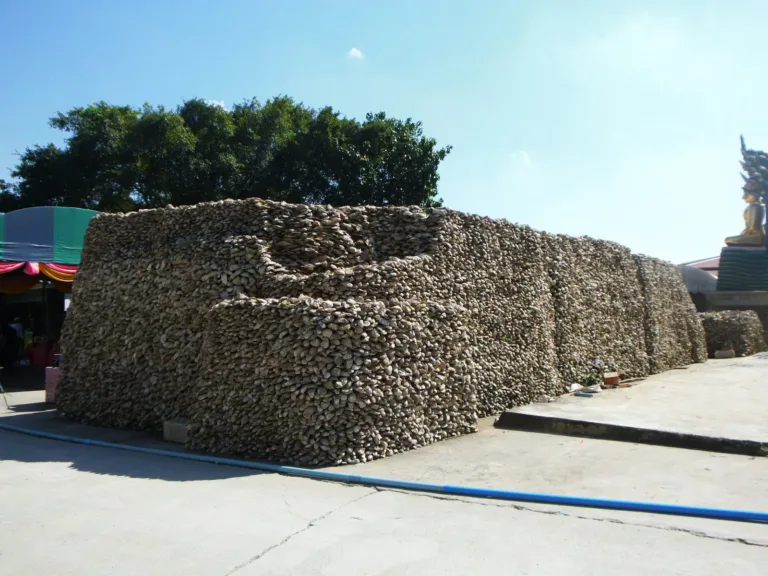
Ancient oyster chedisChedis built from giant oyster fossils dug up on site
Fossil chedi temple · Lat Lum Kaeo, Pathum Thani
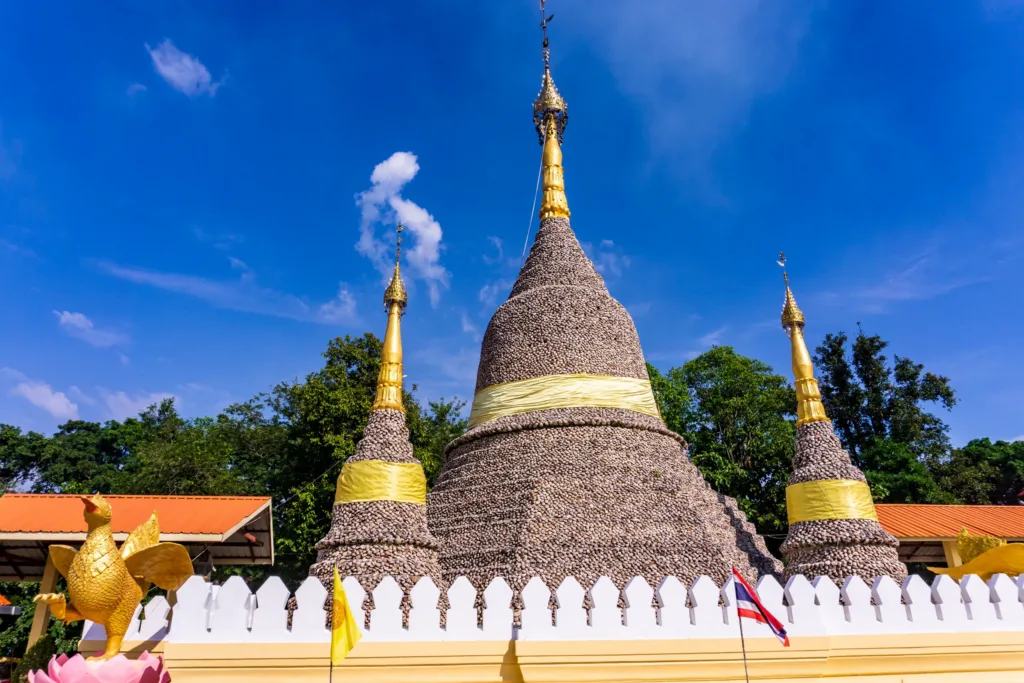
A temple in Lat Lum Kaeo, Pathum Thani, whose chedis are built from ancient giant oyster fossils dug up on the grounds, with a small museum of fossils and antiques. Free to visit.
Good weather, little rain
Dress modestly · Don't pick or remove shells from the chedis
Daily 08:00–16:30
09:00, while it's still cool
01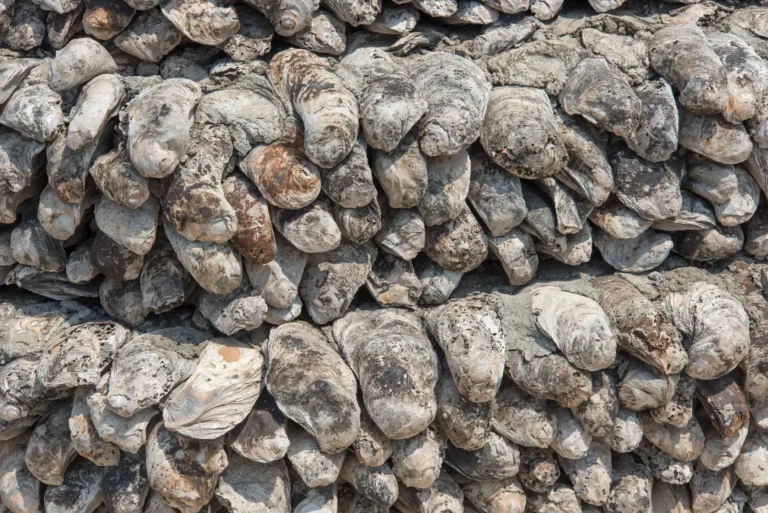 02
Tap a day card to see that day’s weather, rain, haze and hourly forecast
Best time to go Daytime is over · see tomorrow
No warnings today — normal road and weather conditions
Green band = hours used for the score
Best time to go Fine all day little rain through the day
No warnings today — normal road and weather conditions
Green band = hours used for the score
Best time to go Fine all day little rain through the day
No warnings today — normal road and weather conditions
Green band = hours used for the score
Best time to go Fine all day little rain through the day
No warnings today — normal road and weather conditions
Green band = hours used for the score
Best time to go Fine all day little rain through the day
No official warnings, but watch for: Hot (Afternoon) feels like 38°C
Green band = hours used for the score
Best time to go Fine all day little rain through the day
No official warnings, but watch for: Hot (Afternoon) feels like 38°C
Green band = hours used for the score
Best time to go Fine all day little rain through the day · light drizzle possible at times
No warnings today — normal road and weather conditions
Green band = hours used for the score
Wat Chedi Hoi is in Ban Khlong Bang Luang, Bo Ngoen, Lat Lum Kaeo District, Pathum Thani. Its claim to fame is a set of chedis built from fossilised giant oyster shells, found in thick layers when the land was being prepared for the temple.The shells date from a time when this area lay under the sea. Rather than discard them, the founders used them to build chedis at the entrance and around the grounds. The temple museum also shows fossil shells, Buddha images, old household items and a giant clam shell brought from Ranong.The temple is open daily with no entry fee. Mornings are cooler and the best time to study the shell textures up close.
Arrive 09:00, while it's still cool
Drive or take a taxi
The grounds are open; shelter in the museum at midday
Free · Time needed About 1 hour
Weekends
Wat Chedi Hoi is a Mahanikai community temple in Ban Khlong Bang Luang, Bo Ngoen, Lat Lum Kaeo District, Pathum Thani, officially established on 20 December 1988. What sets it apart is a set of chedis built from vast numbers of large fossil oyster shells dug up from beneath the temple's own grounds. Its founder and abbot, Luang Pho Thong Klueng Suntharo (Phra Khru Sunthonkhunthada), began building them in 1995, the "shell chedis" gave the temple its name, and in 2004 the temple even appeared on a stamp in the Unseen Thailand series.
The shells are a trace of the time when the lower Central Plain was sea. Geological studies published in academic journals explain that after the last Ice Age the sea crept inland, and around 8,400 years ago the coast reached as far as Suphan Buri and Ang Thong; some studies place it north of Ayutthaya. Pathum Thani, further south, was therefore shallow sea fringed with mangroves and mudflats. The sediment from that period is the marine clay geologists call the "Bangkok Clay".
A study of this clay at Ongkharak in nearby Nakhon Nayok found 63 species of marine molluscs, and radiocarbon dates show the marine layers built up roughly 8,800–5,300 years ago. Work on oysters along Thailand's coastal cliffs shows that around 7,000–6,000 years ago sea level stood about 2.5 m higher than today, before the sea slowly withdrew south. Scholars still disagree on where the coast lay in the Dvaravati period: some place it around southern Bangkok, others south of Lam Luk Ka.
As for the age of the temple's own shells, travel sources often say "millions of years", some say 8 million, others several thousand years. No published dating of the shells at this temple has been found, so these figures are best read as local tradition, while the research above puts the sea that once covered this plain in the range of thousands of years.
Once the sea retreated, the lowlands along the Chao Phraya became settled land. Pathum Thani was once called Mueang Sam Khok, which many sources say was founded in the reign of King Prasat Thong of Ayutthaya. Mon settlers along the river made the unglazed reddish-orange "Sam Khok jars" and sold them by boat; the name Sam Khok itself refers to three kiln mounds. On 23 August 1815 King Rama II visited the Mon at Sam Khok, and because the people so often presented him with lotus flowers he gave the town the new name "Prathum Thani"; under King Rama VI the spelling became "Pathum Thani".
Lat Lum Kaeo lies on the west side of the Chao Phraya. According to a Chulalongkorn University study, in 1916 the government moved the district then called Chiang Rak to Tambon Rahaeng, the area that is now Lat Lum Kaeo; some sources date the district's founding to 1906. When Thanyaburi was merged into Pathum Thani in 1931, Lat Lum Kaeo became one of the province's seven districts.
The temple's founder, Luang Pho Thong Klueng Suntharo, is said in his published biography to have gone on pilgrimage as far as Myanmar, spending one rains retreat there studying with a teacher named Phra Ajarn Silabanta and gaining knowledge of protective lore. He later returned to stay at Tham Ong Chuk in Si Sawat District, Kanchanaburi.
Legend has it that he then had a vision that the land where the temple now stands was once a great city called "Rattanawadi", some 8 million years ago. Some accounts say the vision came while he was still in Myanmar, and that in it he himself ruled the city. He followed the vision until he found this spot. The Rattanawadi story is the abbot's own account; no archaeological survey has confirmed it.
The temple began when the abbot's father bought this plot and offered it for a small monastic residence, which at first simply received lay people coming to make merit, before it was recognised as a temple in 1988. Today it covers about 113 rai. While a water pond was being dug, which some sources say was meant for the temple's herb garden, workers hit thick layers of ancient shells. The abbot and the temple committee then dug elsewhere in the compound and found many more, some of them very large; one English-language source says the search went on for about 12 years.
Rather than throw them away, the abbot used the shells to build chedis, starting in 1995: one stands at the temple entrance and a larger one inside the grounds. Up close you can see a mass of shells packed in layers. These excavated shells are what gave Wat Chedi Hoi, the "Shell Chedi Temple", its name.
Besides the chedis, the temple has a museum of Buddha images, art objects and old household items, including Sam Khok jars, earthenware bowls, wood carvings, old calculators and a giant clam shell the abbot brought from Ranong. Some sources also mention a long-boat museum, a herb garden and fish and turtle ponds where visitors can feed the animals.
The turtle pond made the news in May 2017, when photos of more than 200 turtles crowded into a pond with little water were widely shared. The temple said turtles had been kept there for about 30 years, mostly released by people making merit; fisheries officials inspected the site and the temple promised a second pond within about a week. Today the temple remains a stop for people who want to see fossils close to Bangkok, it was featured on Thai PBS in 2020, and visitors should not pick or remove shells from the chedis.
Arrived? Check in, collect a stamp and tell others what it is like right now
Check your location first, so you do not fill in the form for nothing
Location must be on and within 1 km · One check-in per place per day · come back on other days to check in again
Post photos from anywhere — no need to be here · Up to 20 photos at a time · JPG / PNG / WebP · GPS location data is removed automatically
The temple is at 73 Moo 4, Ban Khlong Bang Luang, Bo Ngoen, Lat Lum Kaeo, Pathum Thani.
Pathum Thani–Bang Len Road, about 30 km from Bangkok · Fuel
Ask for Wat Chedi Hoi · Meter / app fare
Pathum Thani–Bang Len Road (rural road PT 3020)
Parking inside the temple
Good
Daily 08:00–16:30
about 30 km from Central Bangkok
Wat Chedi Hoi
Answers travellers want before they go — a one-minute read
In Bo Ngoen, Lat Lum Kaeo, Pathum Thani, about 30 km from central Bangkok
No, it's free
Daily 08:00–16:30
They were dug up on the temple grounds: fossils of giant oysters from when the area was sea
No direct service; drive or take a taxi
Best day this week: Saturday 28 Nov · Check in when you arrive to collect a stamp
 Wat Phai Rong Wua
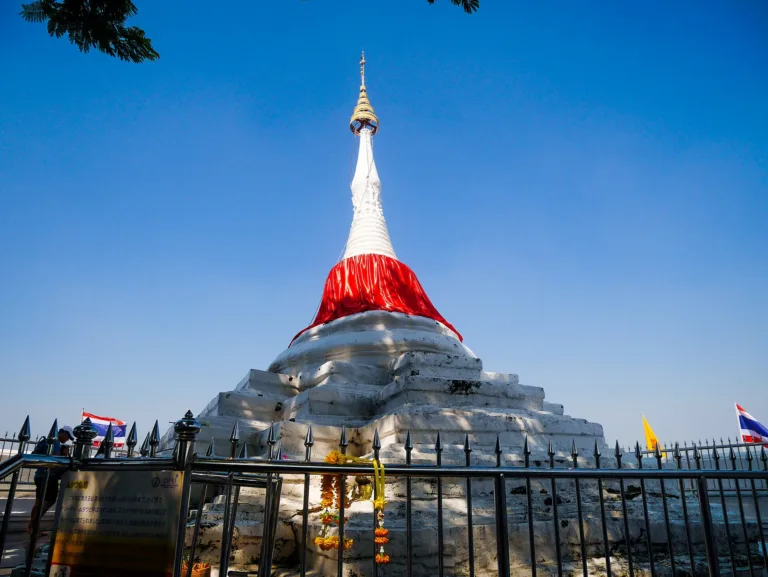 Ko Kret
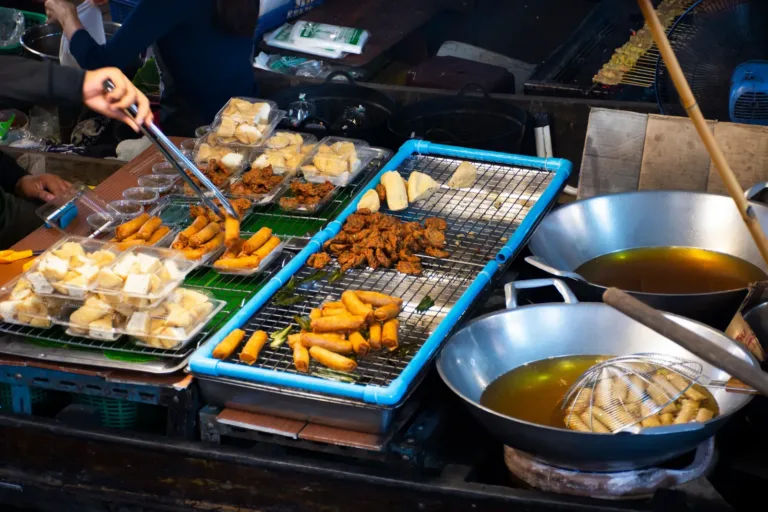 Lam Phaya Floating Market
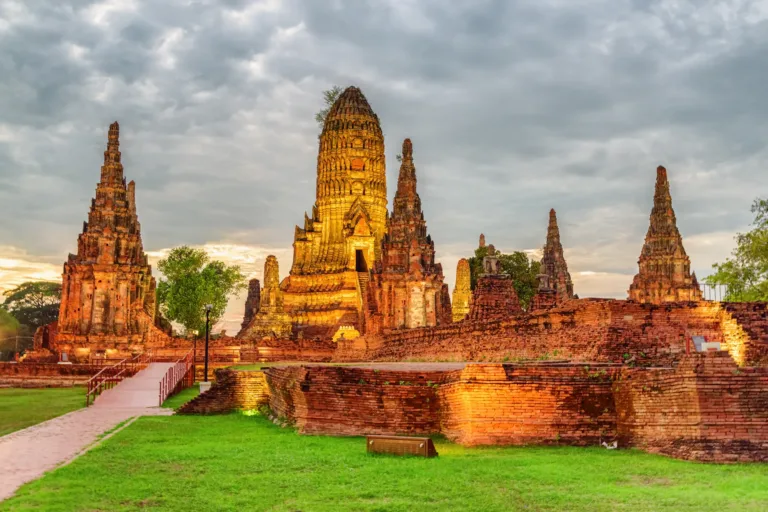 Wat Chaiwatthanaram