Opening hours, time needed and photo spots
Daily 08:00–16:30
1–2 hours
Tunnel entrance — The mouth of the tunnel in the forest
7 days ahead
When to go
this week
Tap a day card to see that day’s weather, rain, haze and hourly forecast
Best time to go Daytime is over · see tomorrow
Thick morning fog with visibility under 1 km — use headlights and drive slowly
Holiday — traffic on the way up and parking fills fast; leave early
Hour by hour
Green band = hours used for the score
Best time to go Best window 06:00–14:00 Little rain · light drizzle possible at times
Rain at times — slippery roads, allow extra travel time
Thick morning fog with visibility under 1 km — use headlights and drive slowly
Hour by hour
Green band = hours used for the score
Best time to go Best window 06:00–14:00 Little rain · light drizzle possible at times
Thick morning fog with visibility under 1 km — use headlights and drive slowly
Hour by hour
Green band = hours used for the score
Best time to go Best window 06:00–14:00 Little rain · light drizzle possible at times
Thick morning fog with visibility under 1 km — use headlights and drive slowly
Hour by hour
Green band = hours used for the score
Best time to go Best window 06:00–12:00 Little rain
Rain at times — slippery roads, allow extra travel time
Hour by hour
Green band = hours used for the score
Best time to go Best window 06:00–14:00 Little rain · light drizzle possible at times
Thick morning fog with visibility under 1 km — use headlights and drive slowly
Hour by hour
Green band = hours used for the score
Piyamit Tunnel
Piyamit Tunnel is at Ban Piyamit 1, Tano Maero subdistrict, Betong, Yala, about 4 km past the Betong hot springs. Members of the Communist Party of Malaya's 2nd Division dug it around 1976–77 in roughly three months, as a shelter from air raids and a supply store.The tunnel winds for about 1 km, 1.5–1.8 m wide, with nine entrances. Inside are sleeping quarters, storerooms, a command room and communication points.It's open daily as a living history site, with an exhibition outside.
- Few people, cool mountain air
- Lots of tour groups
- Tunnel entranceThe mouth of the tunnel in the forestmorning
Good to know here
About 1.5–1.8 m wide and crowded on holidays
Damp and slippery in places; wear closed shoes
- Wear closed shoes with grip
- Weekday mornings are quieter
- Bring cash
- Pair it with the Betong hot springs nearby
No data yet check before you go · Time needed 1–2 hours
Long weekends
- Kids Fine; keep them close in the narrow passages
- Seniors Fine if you walk well; narrow with ups and downs
- Wheelchair Narrow tunnel with steps; not accessible
- Pets Narrow tunnel; don't bring pets
- Stalls at the tunnelSnacks and drinks
- Stick to the marked route
- Keep your voice down in the tunnel
- Don't touch the exhibits
- Narrow passages; not for the claustrophobic
- Damp, slippery floors in places
The story of this place
Piyamit Tunnel is a hand-dug tunnel cut into the hillside at Ban Piyamit 1, Tano Maero subdistrict, Betong, Yala, close to the Thai–Malaysian border. It was built around 1976 by fighters of the Communist Party of Malaya, who used these jungle-covered hills as a base. Some 40–50 people dug it in about three months, creating a winding passage roughly 1 km long with nine original entrances and room for nearly 200 people. After laying down their arms in 1987, former members settled here as "partners in developing Thailand", and the tunnel became one of the Cold War history sites almost every visitor to Betong stops at.
Read more 10 more paragraphs
The story begins with the Communist Party of Malaya, founded in 1930, whose members were mostly ethnic Chinese. When the British colonial government declared the Malayan Emergency in 1948, the party moved deep into the jungle and fell back towards the Thai border. Its members are reported to have first appeared on Thai soil in Betong and in Sadao, Songkhla, in 1949. Thais at the time commonly called them the "Malayan Chinese communists".
In 1959 the party suspended its struggle in Malaya. Research puts its strength then at about 868 members still in Malaya and about 485 who had withdrawn to the Thai–Malayan border. In 1961 it took up the struggle again, using the border jungle as its base. Betong, a mountain valley ringed by dense forest and hard to reach, became an area where the movement stayed active for decades.
On the Thai side the party had three main bases: the 8th Regiment around Khao Nam Khang in Sadao, the mostly Malay 10th Regiment in Narathiwat, and the 12th Regiment around Betong. Internal rifts followed, and in 1974 a group calling itself the Marxist–Leninist faction broke away and set up its headquarters in western Betong. Researchers who interviewed former members record that this group grew out of the 12th Regiment's 2nd Area forces, which matches Thai reports describing the area as a former base of the party's "Zone 2". In 1983 the faction merged with the Revolutionary Faction to form the Malaysian Communist Party.
The tunnel was dug when the jungle camps faced air attacks from Thai and Malaysian forces. Most sources, including Yala's provincial tourism office, date it to 1976, while some say 1977. About 40–50 members dug the earth by hand and finished in around three months. It served as a bomb shelter, a store for food, weapons and ammunition, and a place to plan operations. Some accounts say it was inspired by the Cu Chi tunnels of southern Vietnam.
Inside, the tunnel is divided into rooms: a radio room, sleeping quarters with earthen beds moulded against the walls, food and supply stores, and a command room that could hold large meetings. All nine entrances were linked, so fighters could escape in several directions if attacked. Outside, the kitchen had a stove designed to channel smoke underground so no smoke rose for the enemy to see. Thick forest overhead made the site hard to spot from the air, and government troops only found it later.
Near the tunnel mouth stands a giant banyan that locals call the "thousand-year tree", though its age has never been verified. Its trunk measures about 60.8 m around, needing some 30 people to encircle it, and it once stood over 40 m tall. It is said to have been used to camouflage the tunnel entrance, and it has since been honoured as a national heritage tree.
Late in the conflict, in March–April 1987, about 644 members of the Marxist–Leninist faction surrendered to the Thai Fourth Army Region, according to news reports at the time. Other accounts cite a Thai military estimate of about 800 guerrillas, around 250 of them women. Those who laid down their arms received farmland, a year's living allowance and five settlements near the areas where they had operated.
Then, on 2 December 1989, the governments of Thailand and Malaysia and the Communist Party of Malaya, led by Chin Peng, signed a peace agreement at the Lee Gardens Hotel in Hat Yai, ending an armed struggle that had run since 1948. Thailand let former members choose between returning to Malaysia or staying as partners in developing Thailand, with 15 rai of land per family and Thai citizenship after five years. Some sources say the land was granted by King Rama IX. The villages were named Piyamit 1 to 5; Piyamit 1 and 2 are in Tano Maero, and the others are in Aiyoe Weng, Bannang Sata and Na Thawi in Songkhla.
With the war over, the former fighters turned to rubber and fruit farming. The tunnel was improved: passages were widened, collapsed sections rendered with cement and lights fitted throughout. Today six of the nine original entrances are in use, and the old training ground outside has become a museum and exhibition of photographs, documents, medical and printing equipment and weapons from the jungle years. Before Covid-19 the site was estimated to draw about 200,000 visitors, mostly from Malaysia and Singapore.
More recently the Piyamit 1 community has kept developing its local economy, for example through a 2022 project by Yala Rajabhat University and the National Research Council of Thailand building on black lingzhi mushrooms from the bamboo forest and local food for homestays. On 23 April 2026 a storm snapped the upper trunk of the giant banyan, leaving it about 20 m tall. Piyamit Tunnel today is both a trace of the jungle war and the story of people who chose to lay down their arms and build new lives on the same land.
- 1948Britain declares the Malayan Emergency; the Communist Party of Malaya begins falling back to the Thai border
- 1949Party members are reported on Thai soil for the first time, in Betong and Sadao
- 1959The party suspends its struggle in Malaya; about 485 members withdraw to the Thai–Malayan border
- 1961The party resumes its struggle, using the border jungle as its base
- 1974The Marxist–Leninist faction breaks away and sets up headquarters in western Betong
- 1976About 40–50 members dig the tunnel by hand in roughly three months (some sources say 1977)
- 1983The Marxist–Leninist faction merges with the Revolutionary Faction into the Malaysian Communist Party
See 4 events
- 1987Mar–Apr — about 644 members lay down their arms to the Fourth Army Region and settle near their old bases
- 19892 Dec — the Hat Yai peace agreement ends the Communist Party of Malaya's armed struggle
- 2022Yala Rajabhat University and the National Research Council back a community economy project at Piyamit 1
- 202623 Apr — a storm snaps the upper trunk of the giant banyan by the tunnel
Check-ins & visitor photos
Arrived? Check in, collect a stamp and tell others what it is like right now
Check your location first, so you do not fill in the form for nothing
Location must be on and within 1.5 km · One check-in per place per day · come back on other days to check in again
Post photos from anywhere — no need to be here · Up to 20 photos at a time · JPG / PNG / WebP · GPS location data is removed automatically
How to get there
From Betong town take Route 410, then turn onto the paved road to Ban Piyamit.
From Betong via Route 410, then to Ban Piyamit · Fuel
From Betong town · Agree the fare
Route 410, then a paved mountain road
Car park at the tunnel
Betong town
Weak inside the tunnel
Daily 08:00–16:30
Piyamit Tunnel
FAQ
Before you go: Piyamit Tunnel
Answers travellers want before they go — a one-minute read
Where is Piyamit Tunnel?
Ban Piyamit 1, Tano Maero, Betong, Yala, about 4 km past the Betong hot springs
Who built it?
Members of the Communist Party of Malaya's 2nd Division, around 1976–77
How long is it?
About 1 km, with nine entrances
What are the opening hours?
Daily 08:00–16:30
How long does a visit take?
About 1–2 hours
Nearby places
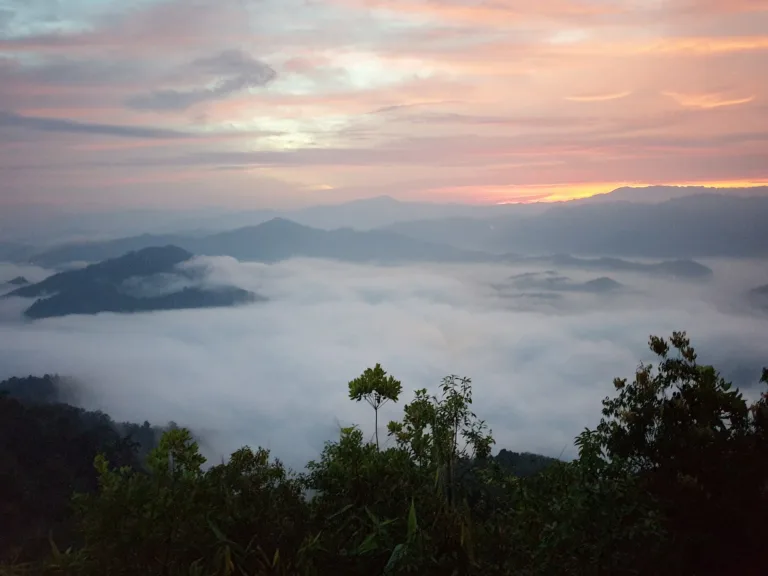 Aiyoeweng Sea of Mist
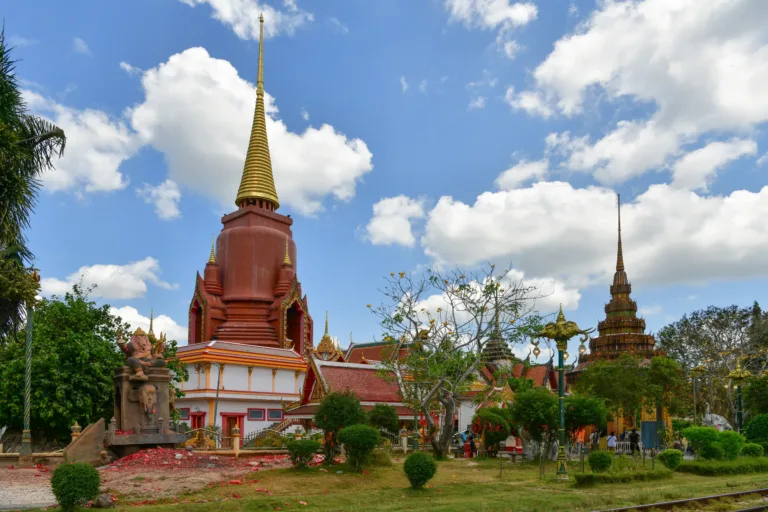 Wat Chang Hai
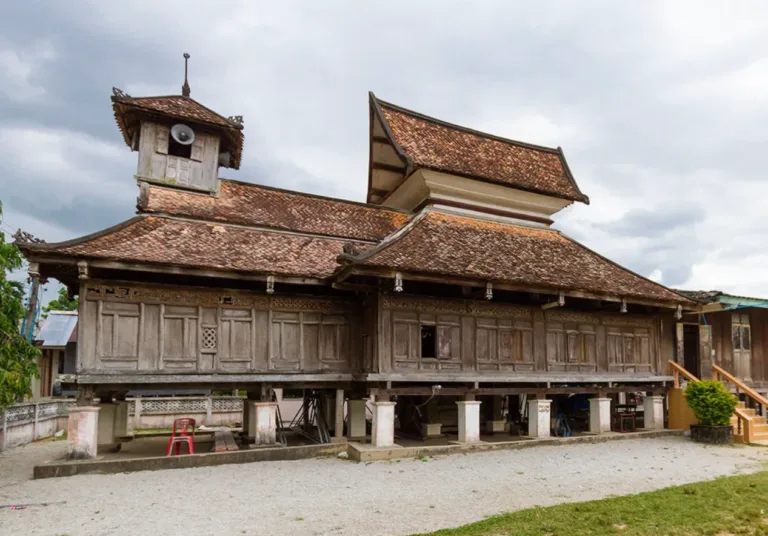 Talo Mano Mosque (300 Years Mosque)
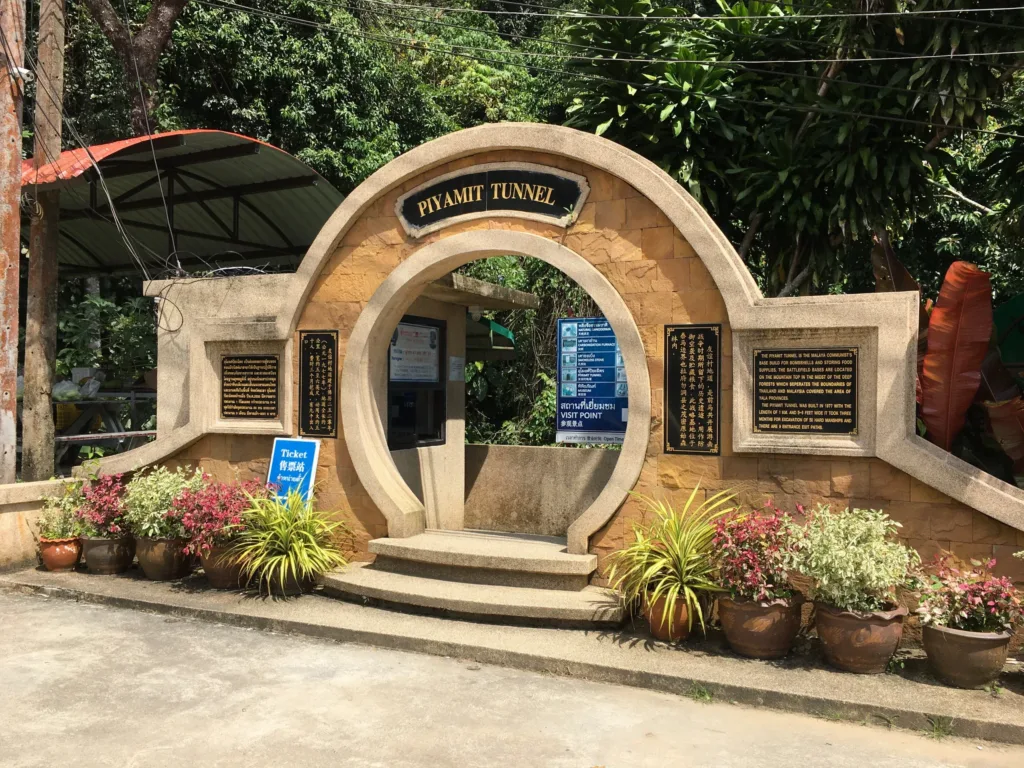
Ready to go to Piyamit Tunnel?
Best day this week: Wednesday 2 Dec · Check in when you arrive to collect a stamp