 01
Ban Chiang National MuseumExcavations, pottery and bronze
UNESCO World Heritage · Nong Han
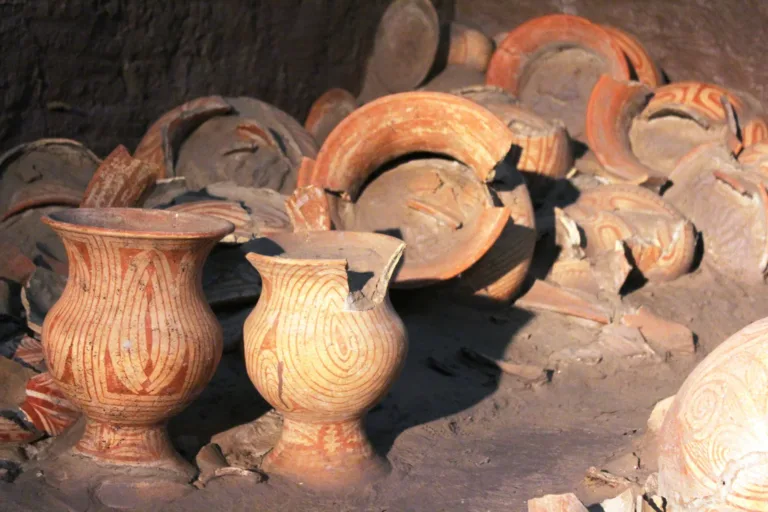
A prehistoric archaeological site inscribed by UNESCO in 1992, in Ban Chiang, Nong Han, Udon Thani, with the Ban Chiang National Museum and the open excavation pit at Wat Pho Si Nai.
Good weather, little rain
01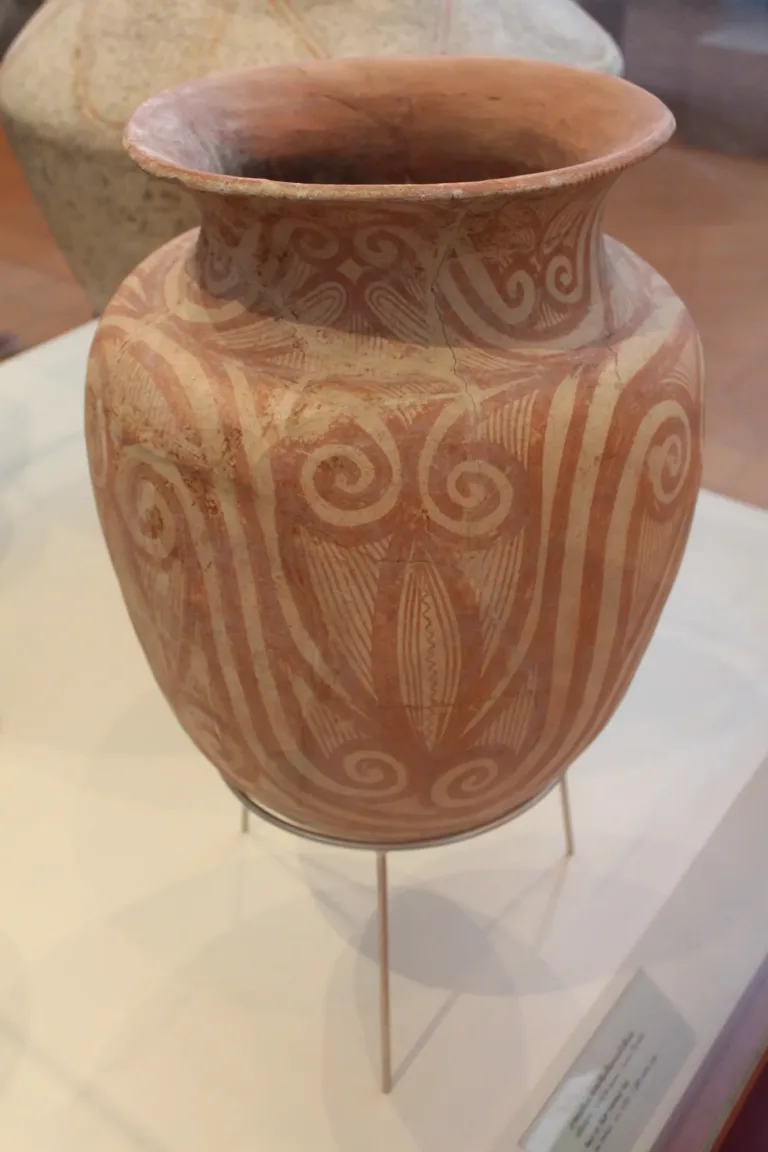 02
 03
Tap a day card to see that day’s weather, rain, haze and hourly forecast
Best time to go Daytime is over · see tomorrow
No warnings today — normal road and weather conditions
Green band = hours used for the score
Best time to go Fine all day little rain through the day
No warnings today — normal road and weather conditions
Green band = hours used for the score
Best time to go Fine all day little rain through the day
No warnings today — normal road and weather conditions
Green band = hours used for the score
Best time to go Fine all day little rain through the day
No warnings today — normal road and weather conditions
Green band = hours used for the score
Best time to go Fine all day little rain through the day
No warnings today — normal road and weather conditions
Green band = hours used for the score
Best time to go Fine all day little rain through the day
No warnings today — normal road and weather conditions
Green band = hours used for the score
Best time to go Fine all day little rain through the day
No warnings today — normal road and weather conditions
Green band = hours used for the score
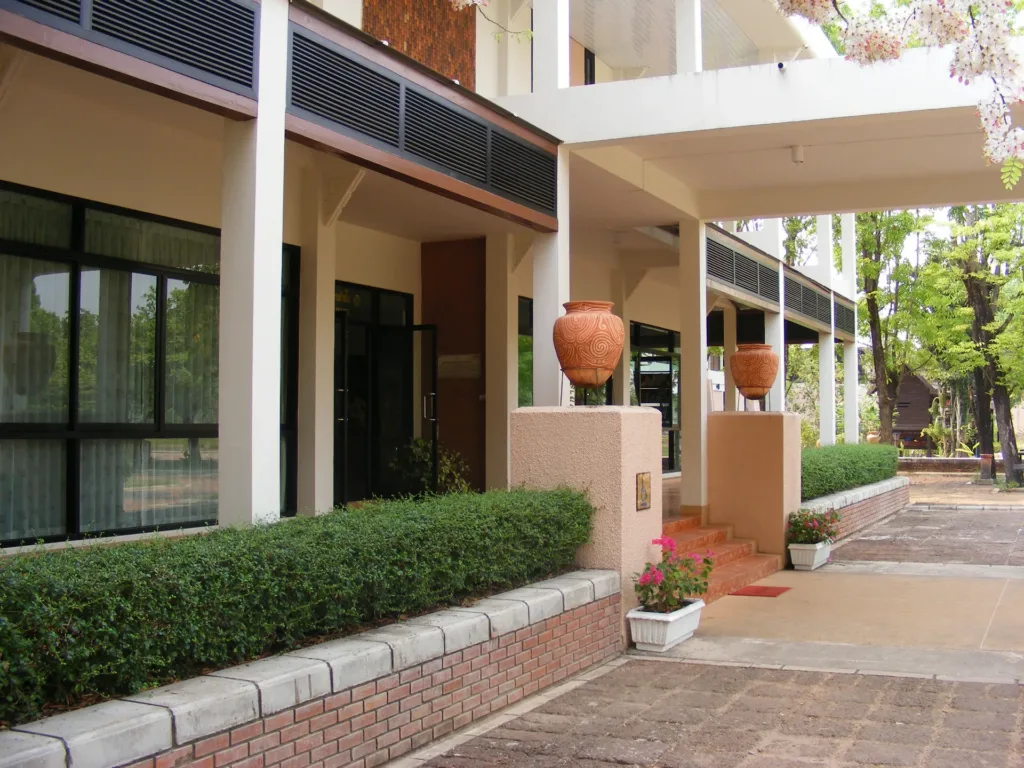
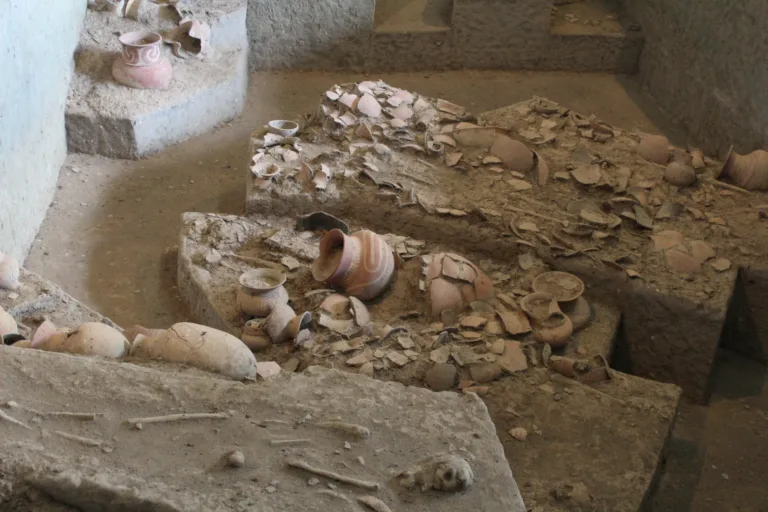
Ban Chiang World Heritage Site is in Ban Chiang subdistrict, Nong Han District, about 55–60 km from Udon Thani town. It's a prehistoric site with thousands of years of continuous settlement, inscribed on UNESCO's World Heritage List in 1992.The Ban Chiang National Museum covers the excavations, the famous red-on-buff painted pottery, bronze work and burial customs, plus a building on Tai Phuan culture. About 700 m away, Wat Pho Si Nai has an open excavation pit showing skeletons and pots in the soil layers as they were found.Opening hours are 09:00–16:00 and entry is 30 THB for Thais. Sources disagree on closing days, so check with the museum before you go.
Arrive Before 14:30 to see both the museum and the pit
Sources differ; call before you travel
Students in uniform, Thai seniors, monks, novices and clergy
Adults 30 THB · Time needed 2–3 hours
Holidays and school groups
| Museum entry, Thai | 30 ฿/person |
Cash · Prices may change by season — check with the venue
Ban Chiang, in Nong Han District of Udon Thani, sits on an oval mound about 500 m wide, 1,350 m long and 8 m high, built up by people living and burying their dead on the same spot for well over a thousand years in prehistoric times. Beneath today's Tai Phuan village lie the traces of one of Southeast Asia's early farming communities, people who grew rice, kept animals, made pottery and cast their own bronze. Its discovery in 1966 forced scholars worldwide to rethink the region, and UNESCO inscribed it as a World Heritage Site in 1992.
Exactly how old Ban Chiang is remains debated. UNESCO puts the start of settlement at around 1500 BCE, while Joyce White's team at the University of Pennsylvania, dating rice from inside one of the lowest pots, puts it as early as about 2100 BCE. Prehistoric occupation ended around the 2nd–3rd century CE.
Archaeologists divide Ban Chiang culture into Early, Middle and Late Periods. The Early Period has extended burials lying on the back and infants buried in jars. The Middle Period brings metal objects and pots deliberately broken over the dead. The Late Period is the age of red-on-buff painted pottery, with swirls and curving lines that grew ever more elaborate and became the image of Ban Chiang that people know today.
After the ancient community was abandoned, the mound lay quiet for centuries. The evaluation filed with UNESCO says the present village was founded in the late 18th century by migrants from the Lao side of the Mekong. Local accounts say Tai Phuan people from Xieng Khouang arrived around 1779–1792, led by four family heads who all held the title "Thao Chiang". They settled at a place called Dong Tao, later named Ban Chiang after those leaders, and more Phuan followed in the reign of King Rama III.
Around 1960–1961 a Fine Arts Department officer picked up some unusual sherds in the village during an inspection. The turning point came in mid-1966, when Stephen Young, an American student from Harvard, tripped over a kapok tree root on a village lane and saw the rims of pots sticking out of soil freshly cut for a road. Specialists who examined the painted pottery could find nothing like it anywhere in Asia.
In April 1967 the Fine Arts Department sent Vidya Intakosai to carry out test digs, which found pottery buried together with bronze objects. Thermoluminescence tests then gave dates as early as about 4000 BCE, later shown to be wrong, but the news made the painted jars prized by collectors. In 1971–1972 looting became intense and many artefacts were taken out of the country.
On 20 March 1972 King Bhumibol (Rama IX) and Queen Sirikit visited the excavations at Ban Chiang, which spurred villagers to help protect the finds. The same year a law protected the area and banned digging or trading Ban Chiang artefacts without permission. The Fine Arts Department later turned the excavation pit at Wat Pho Si Nai into an open-air museum, leaving skeletons and pots exactly where they were found.
In 1974–1975 the Fine Arts Department and the University of Pennsylvania Museum ran a major joint excavation led by Pisit Charoenwongsa and Chester Gorman, in a backyard and under a village lane, down to 4.5 m. They recovered more than 120 human burials and around 18 tons of finds. In 1976 the two published dates suggesting Ban Chiang bronze went back to about 3600 BCE, earlier than the Middle East or China, and Ban Chiang became world famous.
Those figures were revised later. After Gorman died in 1981, Joyce White took over the project and argued that the Bronze Age began around 2000 BCE, while Charles Higham dated human bone and, in research published in 2015, concluded that it began around the 11th century BCE. The debate is not settled, but everyone agrees Ban Chiang is key evidence for the metal age in Southeast Asia.
In 1975 the Fine Arts Department began setting up the Ban Chiang National Museum; some sources say it opened that year, others that the building was completed in 1982. From 1982 to 1986 the Smithsonian exhibition "Ban Chiang: Discovery of a Lost Bronze Age" toured 12 venues in the United States before being installed permanently here in 1987. A second building, the Kalyaniwatthana Building, was built in 2006 and opened by Princess Maha Chakri Sirindhorn on 9 February 2010.
Thailand nominated Ban Chiang to UNESCO in 1990, and it was inscribed as a cultural World Heritage Site in December 1992 under criterion (iii), as the centre of a prehistoric cultural, social and technological evolution. The property of about 67 hectares covers the Ban Chiang and Ban Om Kaeo sites, with the whole Ban Chiang municipality as its buffer zone; by 2012 less than 0.1% of it had been excavated.
The work of tracing artefacts taken abroad goes on. After an investigation in the United States in 2008, the US returned 554 artefacts, most of them from Ban Chiang, in November 2014. In 2019 the Fine Arts Department received funding to build the Ban Chiang Archaeological Research Center. The community itself became a subdistrict municipality in 1999, and the replica painted pottery made here since around 1972, when a group of potters from Dan Kwian settled in the village, is now Ban Chiang's signature souvenir.
Arrived? Check in, collect a stamp and tell others what it is like right now
Check your location first, so you do not fill in the form for nothing
Location must be on and within 1 km · One check-in per place per day · come back on other days to check in again
Post photos from anywhere — no need to be here · Up to 20 photos at a time · JPG / PNG / WebP · GPS location data is removed automatically
The museum is at Moo 13, Sutthiphong Road, Ban Chiang, Nong Han, about 55–60 km from Udon Thani town.
Udon Thani–Highway 22–Ban Pu Lu–Highway 2225 · Fuel
Highway 22, then Highway 2225 for about 6 km, paved
09:00–16:00 (check closing days with the museum)
about 55–60 km from Udon Thani town
Ban Chiang National Museum
Answers travellers want before they go — a one-minute read
UNESCO inscribed it in 1992
30 THB for Thais; students in uniform, Thai seniors and clergy enter free
09:00–16:00; call to check closing days
About 55–60 km, roughly an hour
At Wat Pho Si Nai, about 700 m from the museum
Best day this week: Saturday 28 Nov · Check in when you arrive to collect a stamp
 Red Lotus Sea (Nong Han Kumphawapi)
 Kham Chanot
 Sala Kaew Ku