 01
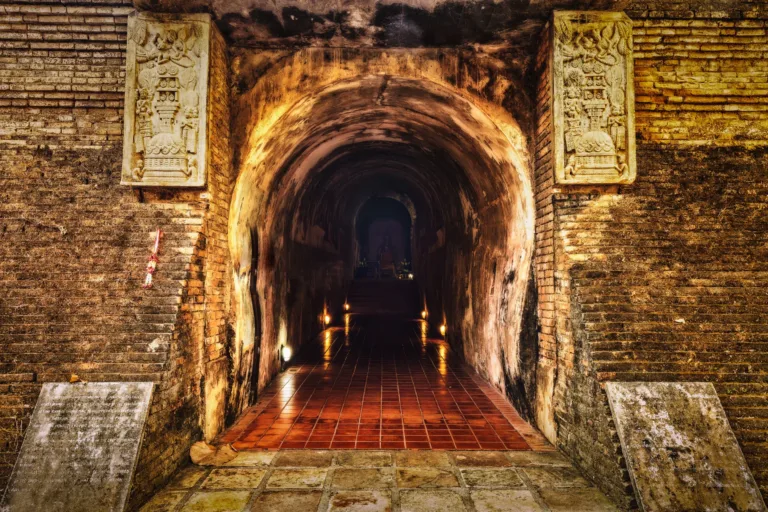
Thera Chan tunnelsConnecting brick passages with Buddha images and traces of old murals
Forest temple · Foot of Doi Suthep, Chiang Mai
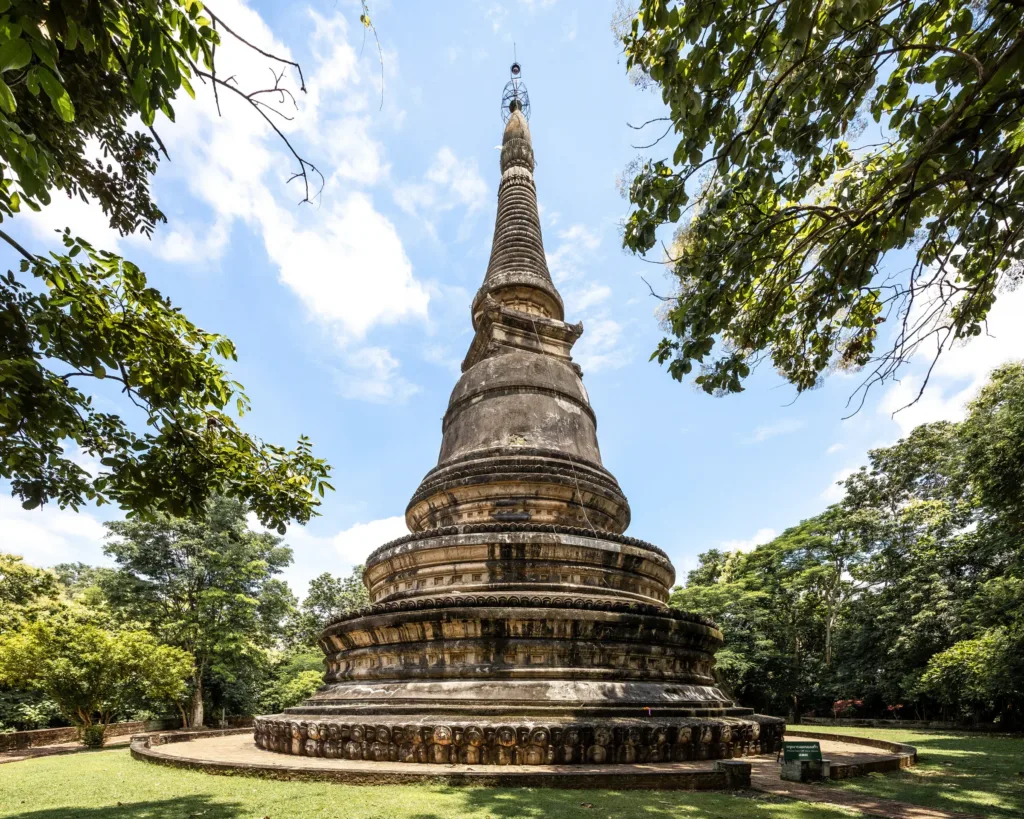
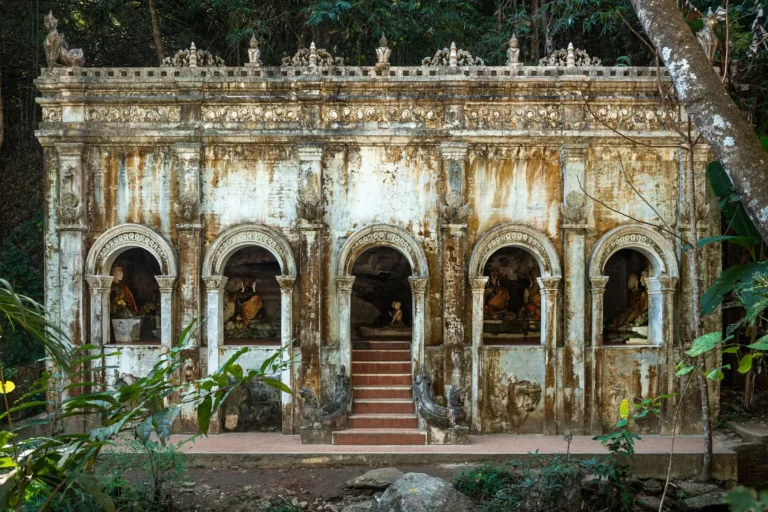
A forest temple at the foot of Doi Suthep dating back to King Mangrai, famous for the brick tunnels King Kue Na built for the monk Maha Thera Chan, a bell-shaped chedi and shady woodland grounds.
Good weather, little rain
Dress modestly, covering shoulders and knees · Remove shoes before entering the tunnels and buildings · Keep your voice down; people meditate here · Don't climb on the chedi or the Buddha heads
Daily, about 06:00–18:00
Morning, when it is cool and quiet
01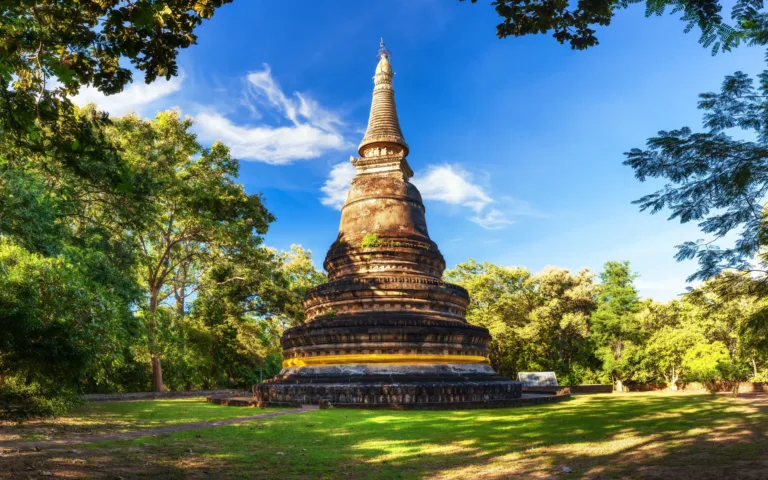 02
 03
 04
 05
Tap a day card to see that day’s weather, rain, haze and hourly forecast
Best time to go Daytime is over · see tomorrow
No warnings today — normal road and weather conditions
Green band = hours used for the score
Best time to go Fine all day little rain through the day
No warnings today — normal road and weather conditions
Green band = hours used for the score
Best time to go Fine all day little rain through the day
No warnings today — normal road and weather conditions
Green band = hours used for the score
Best time to go Fine all day little rain through the day
No warnings today — normal road and weather conditions
Green band = hours used for the score
Best time to go Fine all day little rain through the day
No warnings today — normal road and weather conditions
Green band = hours used for the score
Best time to go Fine all day little rain through the day
No warnings today — normal road and weather conditions
Green band = hours used for the score
Best time to go Fine all day little rain through the day
No warnings today — normal road and weather conditions
Green band = hours used for the score
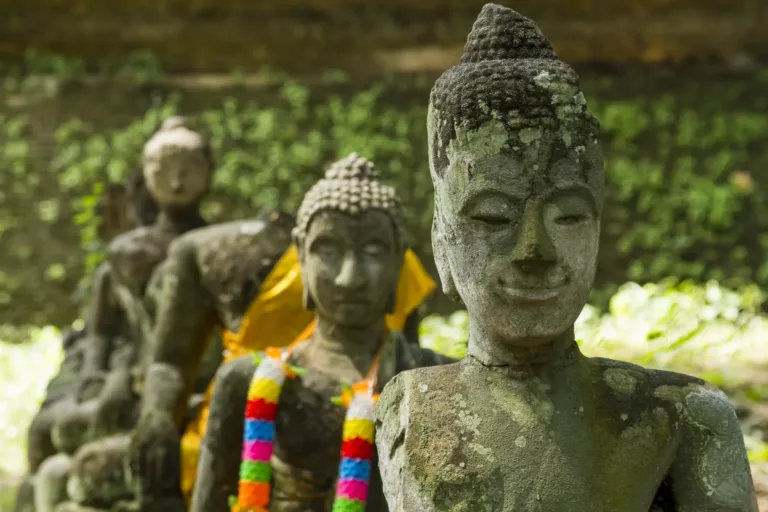
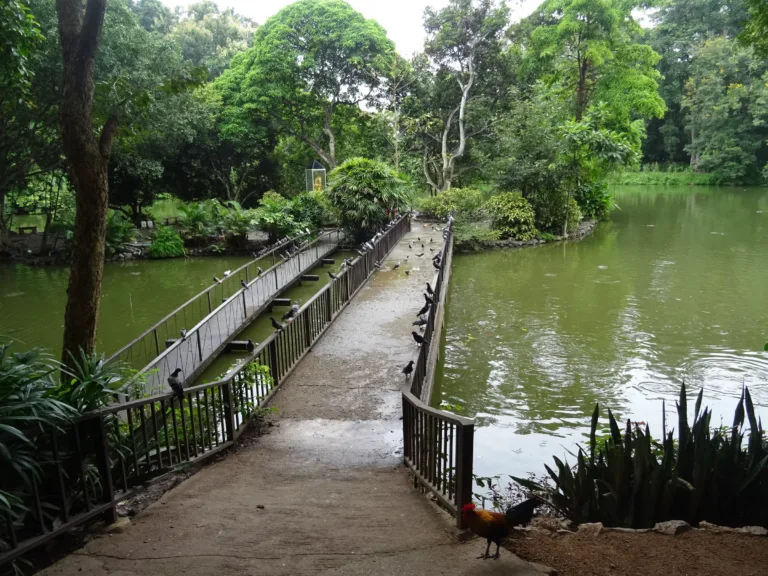
Wat Umong, also called Wat Umong Suan Phutthatham, sits at the foot of Doi Suthep in Su Thep, Mueang Chiang Mai, down a lane off Suthep Road opposite Chiang Mai University. It dates to the reign of King Mangrai, around 1296–97, when it was founded as a home for forest-dwelling monks invited from Sri Lanka. Its first name, Wat Weluka Tharam, referred to the clumps of bamboo it was built among.The temple is best known for its brick tunnels beneath the chedi mound. King Kue Na had them built for Maha Thera Chan, a revered monk who liked to wander the forest, so he could meditate close to the king. Several entrances lead into connecting passages with lamp niches, Buddha images and faint traces of old murals on the vaulted ceilings. In the rainy and early cool seasons the brick walls are often furred with green moss. "Umong" simply means tunnel.Above the tunnels stands a Lanna bell-shaped chedi. Next to the tunnel entrance is a collection of old Buddha heads, most in the Phayao style, and the grounds also hold a replica Ashoka pillar, a hall of Dhamma paintings and a large pond where you can feed fish and turtles, all within about 15 acres of forest.The temple was abandoned during Burmese rule. In 1949 Chao Chuen Siroros cleared and restored it as a meditation centre inspired by Buddhadasa Bhikkhu's Suan Mokkh, which is where the name Suan Phutthatham comes from. Monks still live and teach meditation here, so dress modestly, take your shoes off before entering the tunnels and keep your voice down.
Arrive Morning, when it is cool and quiet
You must remove your shoes before entering the tunnels
It's fairly dark, with low ceilings and steps in places
Monks and meditators are in residence, so keep noise down
Free · Time needed 1–1.5 hours
Wat Umong Suan Phutthatham is an old forest temple at the foot of Doi Suthep whose story reaches back to the founding of Chiang Mai. It began as a temple in a bamboo grove that King Mangrai built for forest-dwelling monks. Under King Kue Na, brick tunnels were built beneath the chedi mound for the monk Maha Thera Chan, and they gave the temple its name. After lying abandoned in the forest for centuries, it was revived around 1947–1949 as a meditation centre in the tradition of Buddhadasa Bhikkhu, and monks still live and teach here today.
According to tradition, after King Mangrai founded Chiang Mai around 1296 he built several temples to support Buddhism. One stood in a grove of 11 bamboo clumps at the foot of Doi Suthep, far enough from the city for forest monks to live in peace. Its original name was Wat Weluka Tharam, known locally as the "temple of the 11 bamboo clumps". Some sources say it was built for monks of the Sri Lankan lineage and that its main chedi followed a Sri Lankan design.
About sixty years later, during the reign of King Kue Na (c. 1355–1385), legend says the king revered Maha Thera Chan, a Lanna monk learned in the Tipitaka. The monk liked to wander off into the forest for solitude, so whenever the king wanted to discuss the Dhamma he was hard to find. The king had the temple and its old chedi restored and built a tunnel under the mound as a place for the monk to meditate. People began calling it Wat Umong Thera Chan, "the tunnel temple of Thera Chan", later shortened to Wat Umong.
The brick tunnels lie on the north side of the chedi base, with several entrances that connect inside. Small niches in the walls held oil lamps, and Buddha images are enshrined within. Accounts of who built the tunnels differ, though: some sources credit King Mangrai instead. Note too that Chiang Mai's old city has a separate temple, Wat Umong Maha Thera Chan, named after the same monk.
Traces of old murals survive on the vaulted tunnel ceilings. Scholars date them to roughly the 14th–15th centuries and believe every chamber may once have been painted. The motifs still visible include lotuses, peonies, clouds and many birds, such as peacocks, herons, parrots and ducks. The paintings have faded badly and only fragments remain; the Fine Arts Department has joined surveys to record and conserve them, and some visitors report they could not find them at all.
Above the tunnels stands a bell-shaped Lanna chedi on a round base of about three tiers, which archaeologists date to around the 14th century. Some sources describe Burmese-style stucco on the base, likely a later addition. Near the tunnel entrance, stone Buddha heads in the Phayao style, dated to roughly the 15th–16th centuries, were found, reflecting artistic ties between Lanna cities.
Sources differ on when the temple declined. Some say it was already being abandoned around the reign of King Tilokarat in the 15th century, while many others say it was deserted after Chiang Mai fell under Burmese rule from 1558. Either way, Wat Umong lay as a ruin in the forest for several hundred years.
Even in ruins it was not forgotten. According to press reports, a royal lady of the Bangkok court visited on 2 January 2470 in the Thai calendar of the time (1927–28) during a trip to Chiang Mai and mentioned it in a travel poem. In 1935 the Fine Arts Department registered Wat Umong as an ancient monument, among the first sites in the country to be listed.
The revival came after the Second World War. Chao Chuen Siroros, a follower of Buddhadasa Bhikkhu of Suan Mokkh in Chaiya, cleared and restored the site, built new monks' quarters and invited Buddhadasa to teach in Chiang Mai. Busy at Suan Mokkh, Buddhadasa sent Panyananda Bhikkhu in his place. Panyananda began preaching in Chiang Mai on 13 April 1949 and spent 11 rains retreats at Wat Umong (1949–1959) before becoming abbot of Wat Chonprathan Rangsarit in Nonthaburi in 1960. Sources give the start of the revival as anywhere from 1947 to 1949. The temple took the name Wat Umong (Suan Phutthatham), and a statue of Panyananda stands by the tunnel entrance.
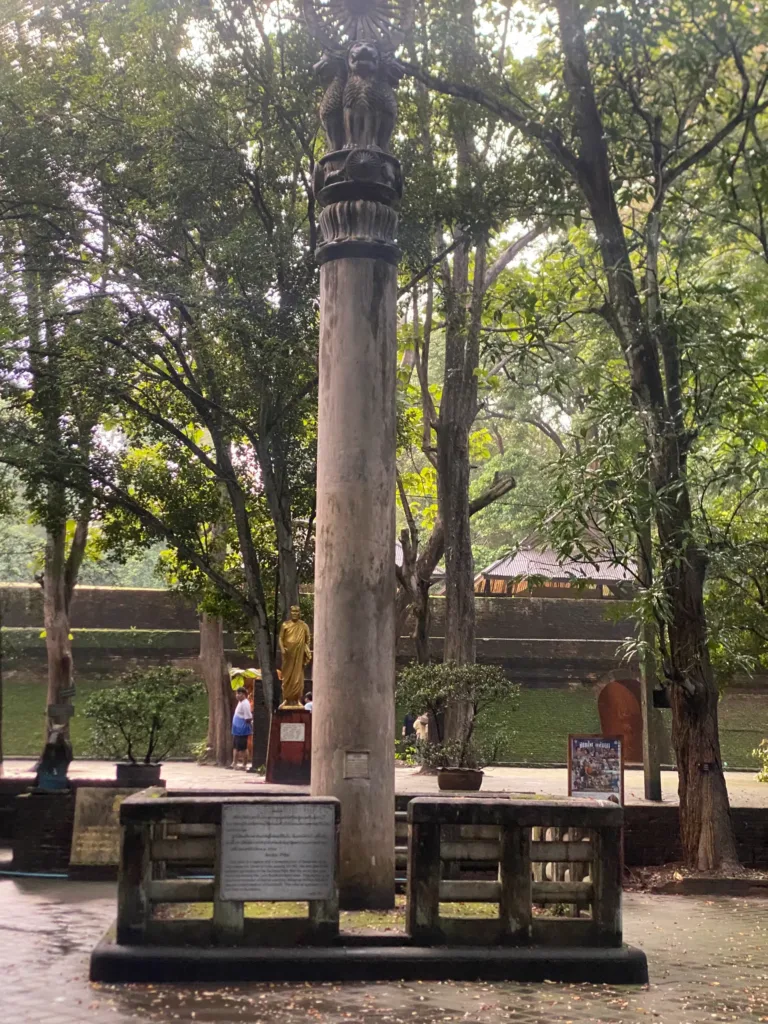
Much of what you see reflects Buddhadasa's approach: a hall of Dhamma puzzle paintings that teaches through art, proverb signs hung on the trees, and a replica Ashoka pillar topped with four lions. An Indian historian who studied Ashoka notes the pillar is a later cement work put up by the monks and their patrons, not a relic of King Mangrai's time. Today the temple remains a vipassana meditation centre with a Dhamma library.
In late 2023 the Fine Arts Department's Chiang Mai office restored a pair of stucco giant statues by the stairway to the chedi. In 2024 the work sparked debate over both the method and the statues' age: critics believed they were 400–500 years old, while the department provisionally put them at a little over 100 years, in Burmese–Shan style, and said the restoration followed accepted principles.
Most recently, the earthquake of 28 March 2025 cracked the tunnel walls. The Culture Ministry ordered urgent shoring of the damaged sections and planned longer-term repairs, including removing the soil piled on top of the tunnels, strengthening the structure, adding drainage above and caring for the murals inside, so that these centuries-old tunnels can be kept for future generations.
Arrived? Check in, collect a stamp and tell others what it is like right now
Check your location first, so you do not fill in the form for nothing
Location must be on and within 0.9 km · One check-in per place per day · come back on other days to check in again
Post photos from anywhere — no need to be here · Up to 20 photos at a time · JPG / PNG / WebP · GPS location data is removed automatically
The temple is in Su Thep, Mueang Chiang Mai, at the foot of Doi Suthep, reached by a lane off Suthep Road opposite Chiang Mai University.
Along Suthep Road from Suan Dok Gate, then the lane opposite Chiang Mai University · Fuel
From anywhere in town to the temple
Ride along Suthep Road and turn into the lane to the temple
City streets (Suthep Road, then a lane opposite Chiang Mai University)
Daily, about 06:00–18:00
about 3–4 km from Suan Dok Gate
Wat Umong Suan Phutthatham
Answers travellers want before they go — a one-minute read
In Su Thep, Mueang Chiang Mai, at the foot of Doi Suthep, down a lane off Suthep Road opposite Chiang Mai University
No, entry is free; donations are welcome
King Kue Na built them as a meditation space for the monk Maha Thera Chan
Yes, before entering the tunnels; inside it's fairly dark and the ceiling is low in places
"Garden of the Buddha's Dhamma"; it became a meditation centre in 1949, modelled on Buddhadasa Bhikkhu's Suan Mokkh
About 1–1.5 hours
Best day this week: Saturday 28 Nov · Check in when you arrive to collect a stamp
 Wat Suan Dok
 Ristr8to
 Wat Pha Lat