What to know before visiting the temple
Dress modestly and keep your voice down · Take shoes off where signed · Don't climb the rocks or enter restricted areas · Don't touch museum items without permission
Daily 07:00–17:00
Morning, when it is cool and quiet
7 days ahead
When to go
this week
Tap a day card to see that day’s weather, rain, haze and hourly forecast
Best time to go Daytime is over · see tomorrow
No warnings today — normal road and weather conditions
Hour by hour
Green band = hours used for the score
Best time to go Fine all day little rain through the day
No warnings today — normal road and weather conditions
Hour by hour
Green band = hours used for the score
Best time to go Fine all day little rain through the day
No warnings today — normal road and weather conditions
Hour by hour
Green band = hours used for the score
Best time to go Fine all day little rain through the day
No warnings today — normal road and weather conditions
Hour by hour
Green band = hours used for the score
Best time to go Fine all day little rain through the day
No warnings today — normal road and weather conditions
Hour by hour
Green band = hours used for the score
Best time to go Fine all day little rain through the day
No warnings today — normal road and weather conditions
Hour by hour
Green band = hours used for the score
Best time to go Fine all day little rain through the day
No warnings today — normal road and weather conditions
Hour by hour
Green band = hours used for the score
Wat Tham Klong Phen
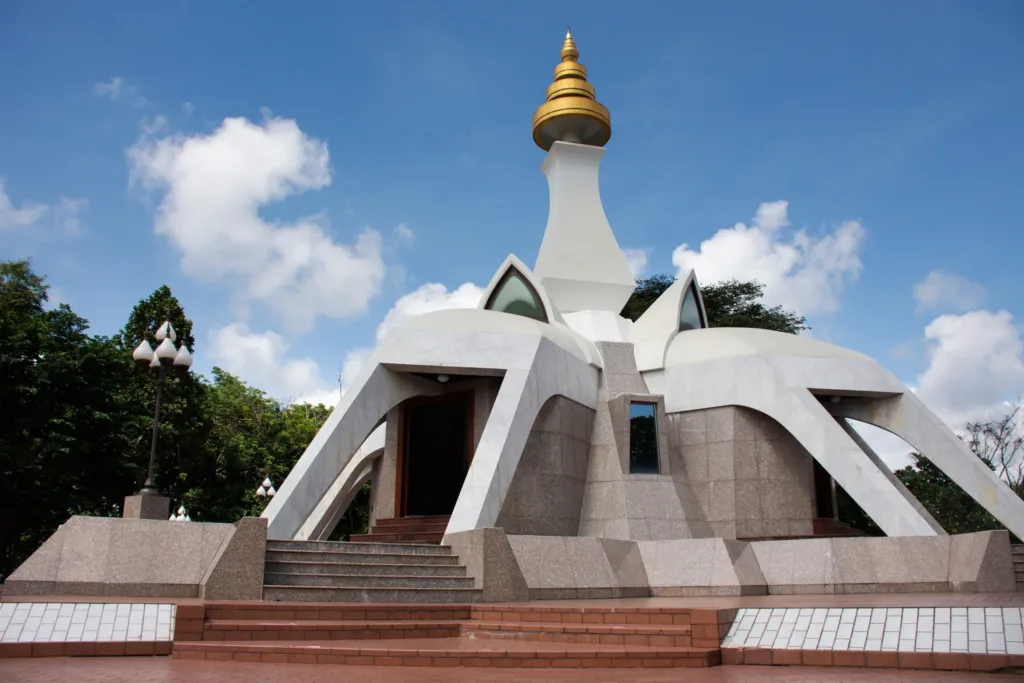
Wat Tham Klong Phen sits at the foot of the Phu Phan range in Non Than, Mueang Nong Bua Lam Phu, about 15 km from town on Highway 210 towards Udon Thani. The temple is spread through forest and huge boulders, with about 2 km of internal road past caves and rock terraces.It was home to Luang Pu Khao Analayo, a forest-tradition meditation monk and disciple of Luang Pu Mun, from 1958 until he died in 1983. The name comes from an ancient two-headed drum, the klong phen, kept in the cave hall.Look for the cave hall used as the ordination hall, the Luang Pu Khao relic museum, a wax-figure museum and Buddha images among the rocks. Open daily; no entry fee.
- Cool and peaceful
- Hot, but shady in the caves
- Soft light before closing
Arrive Morning, when it is cool and quiet
- Buddhas among the rocksImages framed by boulders and treesmorning
Good to know here
Keep quiet; don't climb the rocks or enter restricted areas
Watch the signs before entering halls and the museum
- Dress modestly; this is a meditation temple
- You can drive round the grounds on the 2 km internal road
- Combine it with the 150-million-year-old Shell Fossil Museum nearby
- Bring repellent in the rainy season
Free · Time needed 1–2 hours
Weekends and Buddhist holy days
- Kids Fine; keep kids quiet and off the rocks
- Seniors You can drive close to the main areas, though some paths are rocky
- Wheelchair No information on ramps
- Pets A meditation temple; don't bring pets
- Dress modestly and keep your voice down
- Take shoes off where signed
- Don't climb the rocks or enter restricted areas
- Don't touch museum items without permission
- The rocks are slippery after rain
- It's a forest temple; watch for mosquitoes and small creatures
The story of this place
Wat Tham Klong Phen is a forest temple set among caves and huge boulders at the foot of the Phu Phan range in Non Than, Mueang Nong Bua Lam Phu. Nobody knows for sure when it began; all that is known is that it lay abandoned for a long time, until Luang Pu Khao Analayo, a meditation monk and disciple of Luang Pu Mun Bhuridatto, arrived on pilgrimage in 1958 and stayed until his death in 1983. He turned a deserted cave in the forest into a monastery known across Thailand and revered by the royal family.
Read more 10 more paragraphs
The land around the temple has a far longer story. Provincial histories say people have lived around Nong Bua Lam Phu since prehistoric times, about 2,500 years ago, and Khmer-style monuments survive in Suwannakhuha District. Around 1563 King Chai Chettha of Lan Xang founded Nong Bua Lum Phu, also called Kaeo Bua Ban, as a frontier town of Vientiane. After 1778 it came under Siamese rule and was part of Udon Thani until Nong Bua Lam Phu became a province in its own right in 1993, which is why many older biographies of Luang Pu Khao still place the temple in "Udon Thani".
As for the temple itself, travel guides and the media agree that it is old but undated. Some sources say local belief traces it back to the Khmer period, though there is no evidence for a firm date. Some accounts say it was once called "Tham Bamphen" or "Wat Bamphen", because wandering monks used to stop here to meditate, but for a long time no monks or novices lived here for the rains retreat.
The name comes from the cave and from an ancient two-headed drum that villagers call the klong phen, still kept in the cave hall. Nobody knows where the drum came from or who brought it. Villagers have long said that on Buddhist holy days the sound of a drum could be heard coming from the cave; it is a local tale, but one that gave the place an aura of sanctity for people nearby.
Luang Pu Khao was born on 28 December 1888 in Ban Bo Chaneng, Amnat Charoen, then part of Ubon Ratchathani, the fourth of seven children in a farming family. He married at about 20 and lived as a layman for many years before deciding in middle age to become a monk, then took up the wandering forest life in the way of Luang Pu Mun.
The biography compiled by Luang Ta Maha Bua Nyanasampanno describes his years of wandering through the northern forests and mountains, with stories of a special affinity for wild elephants and of living in jungle shared with tigers. It is recorded that after Luang Pu Mun attained awakening at Tham Dok Kham in Phrao, Chiang Mai, in 1935, he went to Doi Namo and spoke with Luang Pu Khao, showing how close Luang Pu Khao was to his teacher at that time. He later returned to the northeast, and around 1957 he was staying at Wat Pa Kaeo Chumphon in Sawang Daen Din, Sakon Nakhon, where the monk Bunpheng Khemaphirato became his disciple.
In 1958 Luang Pu Khao reached Tham Klong Phen on pilgrimage, found it quiet and well suited to meditation, began restoring it and spent the rains retreat here from that year on. Some sources say he founded the temple in 1960, the year Phra Bunpheng came to attend him. The monks used three or four great boulders with overhanging ledges as a frame and poured a concrete roof between them, creating a large cave hall that serves as the ordination hall and was where Luang Pu Khao meditated. He also built a mondop, or four-gabled pavilion, for monastic ceremonies, and lived in a small wooden hut in a grove of trees.
The temple grew into a forest monastery of the Dhammayut order, with Luang Pu Khao as its first abbot, and it received a royal grant for an ordination boundary in 1970. His strict, steadfast practice drew people from all over the country. King Bhumibol (Rama IX) and Queen Sirikit held him in great esteem and came several times to pay respects and discuss the Dhamma, sometimes accompanied by the present King.
Luang Pu Khao died in 1983, aged about 94. Phra Bunpheng, who had attended him for more than 20 years, then became abbot. The Luang Pu Khao relic museum was built between 1985 and 1988, with 1,570,000 baht from King Bhumibol's private funds, and on 26 May 1989 the King and Queen came to enshrine his relics and open the museum, which holds his relics and personal belongings. The same area also has a wax-figure museum of forest-tradition monks, his old hut and his mondop for visitors to see.
Luang Pu Bunpheng Khemaphirato was born in 1929 in Yasothon and had attended Luang Pu Mun from 1946 to 1949. He died on 27 February 2018, aged 88, and was cremated in the pine grove near the temple's ordination hall in April that year. The museum building, after more than 30 years of use, was restored, with work completed in February 2022.
On 24 May 2022 the King and Queen came to unveil the plaque of the Khemaphirato relic chedi, which holds Luang Pu Bunpheng's relics, presided over a celebration for the museum, bathed Luang Pu Khao's relics and planted phayung trees, the provincial tree. Today Wat Tham Klong Phen remains a quiet meditation temple and one of the main reasons people visit Nong Bua Lam Phu.
- 1563King Chai Chettha of Lan Xang founds Nong Bua Lum Phu as a frontier town
- 188828 Dec — Luang Pu Khao is born in Ban Bo Chaneng, Amnat Charoen
- 1929Phra Bunpheng Khemaphirato is born in Yasothon
- 1935Ajahn Mun attains awakening at Tham Dok Kham and meets Luang Pu Khao at Doi Namo
- 1946–1949Phra Bunpheng attends Ajahn Mun in Sakon Nakhon
- 1957Phra Bunpheng becomes Luang Pu Khao's disciple at Wat Pa Kaeo Chumphon, Sawang Daen Din
- 1958Luang Pu Khao arrives on pilgrimage and begins restoring the abandoned cave temple
See 9 events
- 1960Phra Bunpheng comes to attend him (some sources date the temple's founding to this year)
- 1970The temple receives a royal grant of land for an ordination boundary
- 1983Luang Pu Khao dies, aged about 94
- 1985–1988The relic museum is built, with 1,570,000 baht from King Bhumibol
- 198926 May — King Bhumibol and Queen Sirikit enshrine the relics and open the museum
- 1993Nong Bua Lam Phu is split from Udon Thani as a new province
- 201827 Feb — Luang Pu Bunpheng dies; he is cremated at the temple in April
- 2022Feb — restoration of the museum building is completed
- 202224 May — the King and Queen open the Khemaphirato relic chedi
Check-ins & visitor photos
Arrived? Check in, collect a stamp and tell others what it is like right now
Check your location first, so you do not fill in the form for nothing
Location must be on and within 1 km · One check-in per place per day · come back on other days to check in again
Post photos from anywhere — no need to be here · Up to 20 photos at a time · JPG / PNG / WebP · GPS location data is removed automatically
How to get there
The temple is in Non Than, Mueang Nong Bua Lam Phu, at the foot of the Phu Phan range.
Highway 210 towards Udon Thani about 13 km, then 2 km in · Fuel
Highway 210, then about 2 km of paved side road
Parking in the temple
Daily 07:00–17:00
about 15 km from Nong Bua Lam Phu town
Wat Tham Klong Phen
FAQ
Before you go: Wat Tham Klong Phen
Answers travellers want before they go — a one-minute read
Where is Wat Tham Klong Phen?
Non Than, Mueang Nong Bua Lam Phu, about 15 km from town
Is there an entry fee?
No; donations are welcome
What are the opening hours?
Daily 07:00–17:00
Where does the name come from?
An ancient two-headed drum kept in the cave hall
When did Luang Pu Khao live here?
From 1958 until his death in 1983
What is nearby?
The 150-million-year-old Shell Fossil Museum, about 6 km
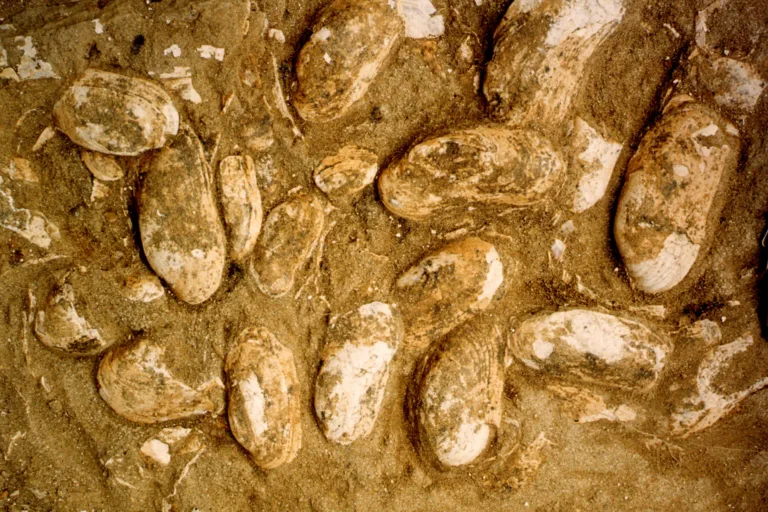 150-Million-Year Shell Fossil Cemetery
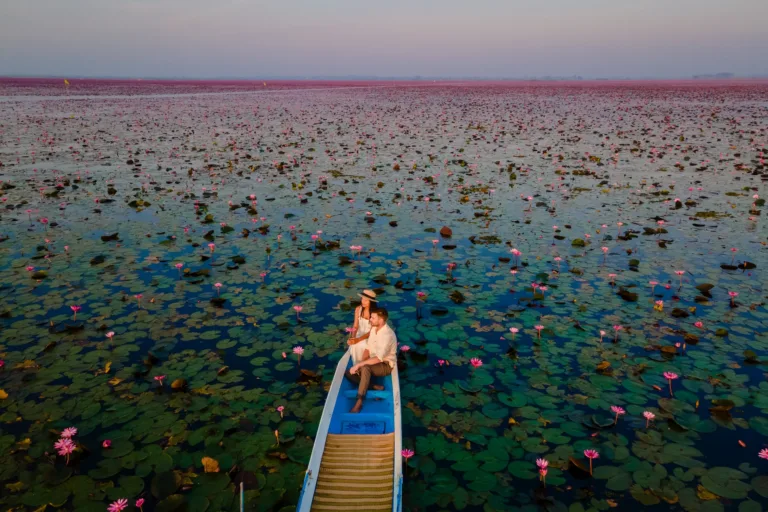 Red Lotus Sea (Nong Han Kumphawapi)
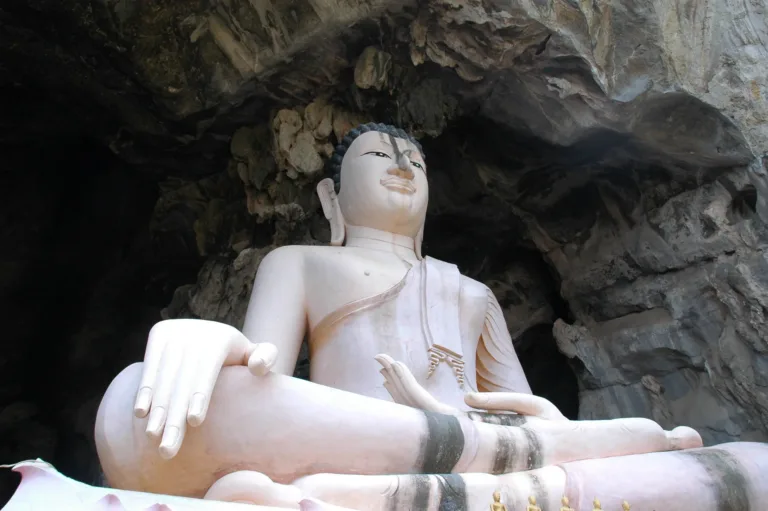 Wat Tham Erawan
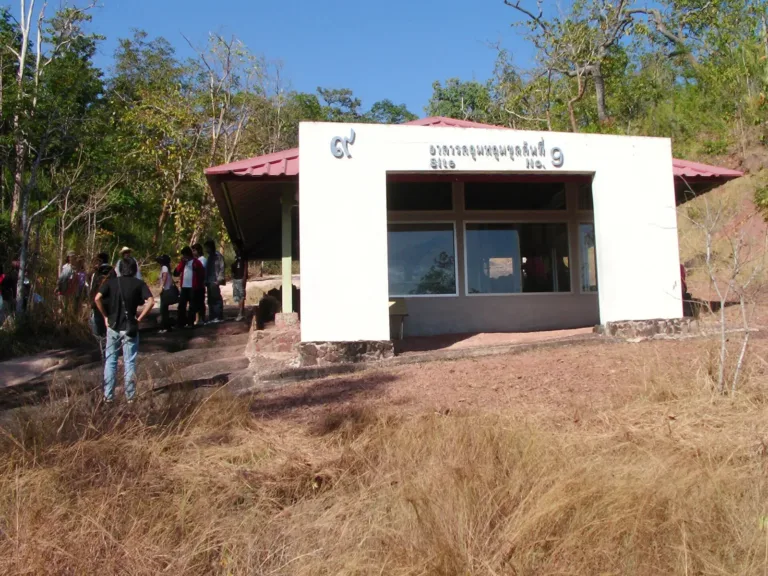 Phu Wiang National Park
Ready to go to Wat Tham Klong Phen?
Best day this week: Saturday 28 Nov · Check in when you arrive to collect a stamp