 01
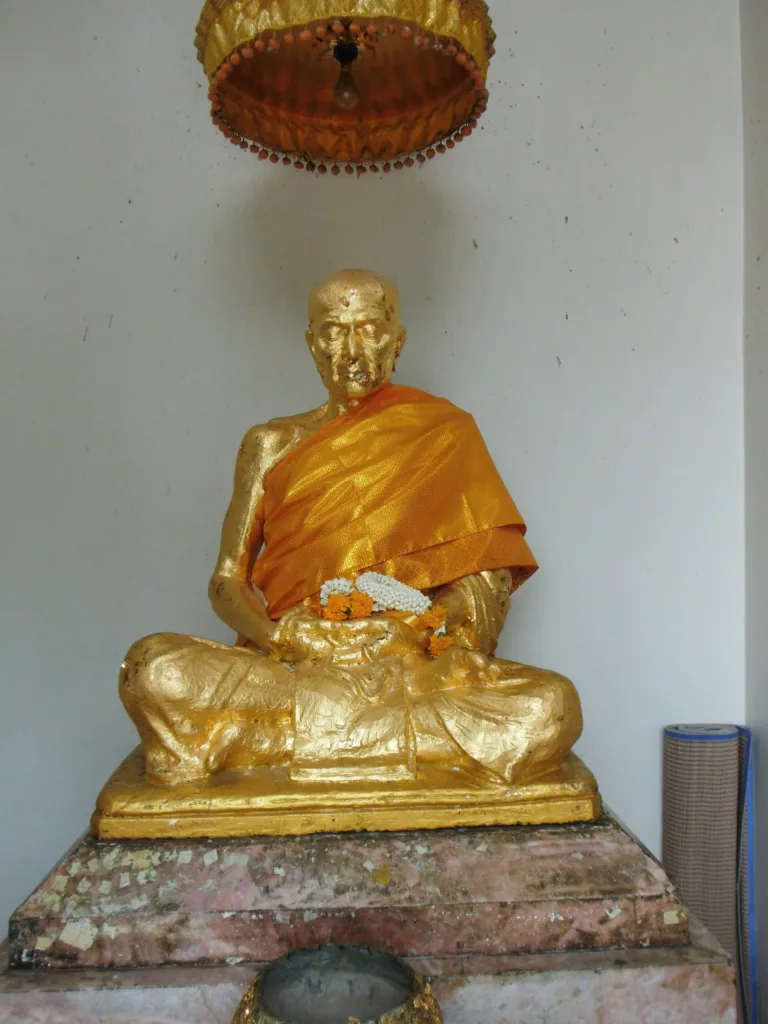
Phra Achan ThammachotBronze likeness, Luang Pho Yim
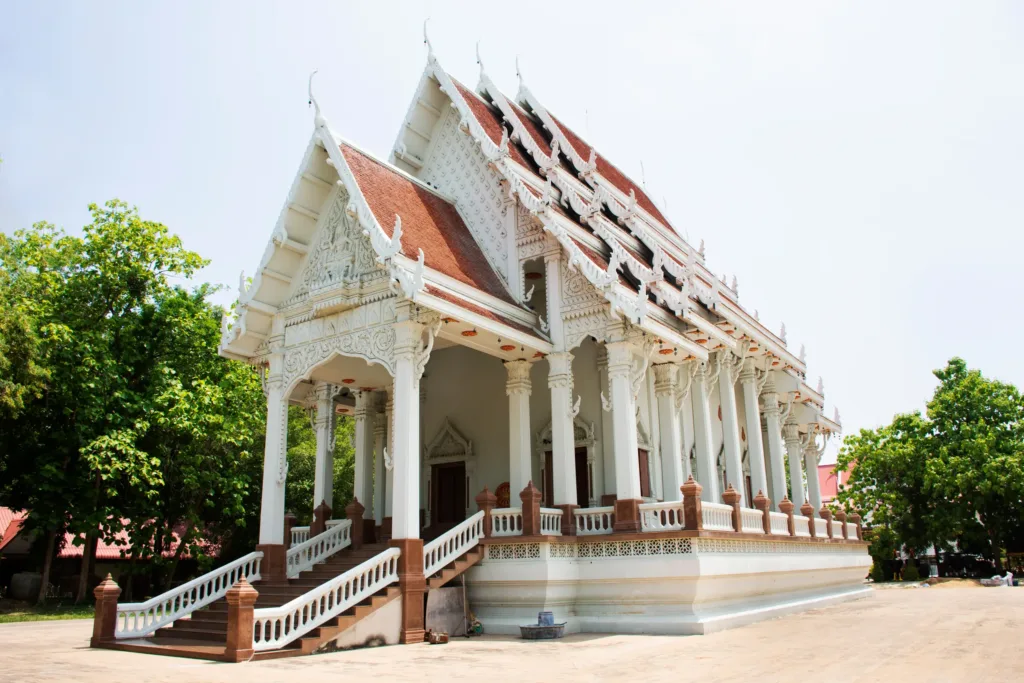
Phra Achan Thammachot's temple · Bang Rachan
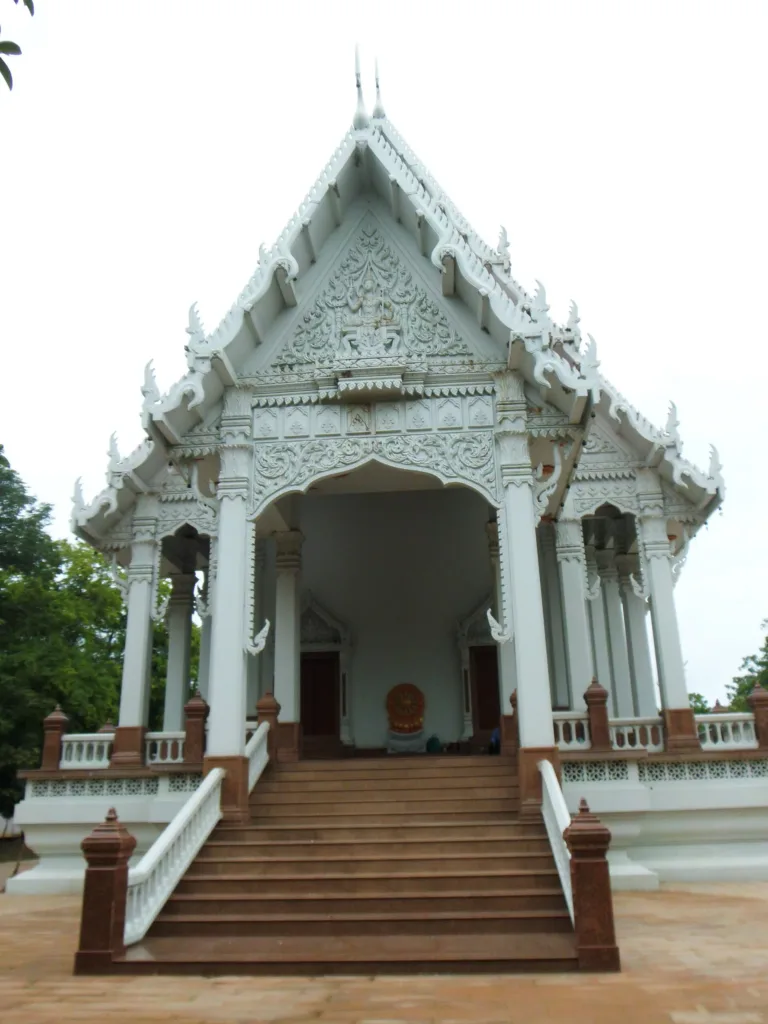
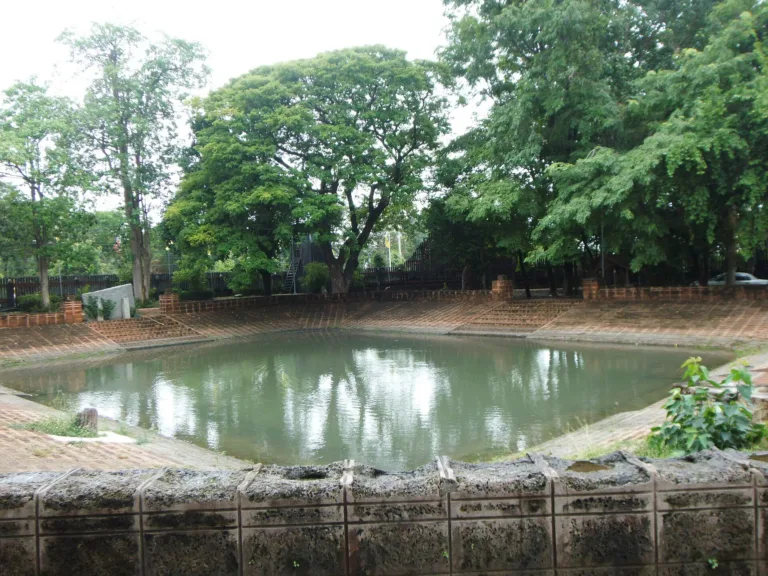
Wat Pho Kao Ton, or Wat Mai Daeng, in Khai Bang Rachan, Sing Buri, faces the Bang Rachan heroes' monument. It was Phra Achan Thammachot's temple, with his bronze likeness, a sacred pond where people carry water to fulfil vows, and a retro market.
Holiday / event — crowded
Dress modestly · Remove shoes in the vihara · Don't litter in the pond
About 08:00–17:00
16:30
Bang Rachan heroes' fair, early Feb (at the park opposite)
01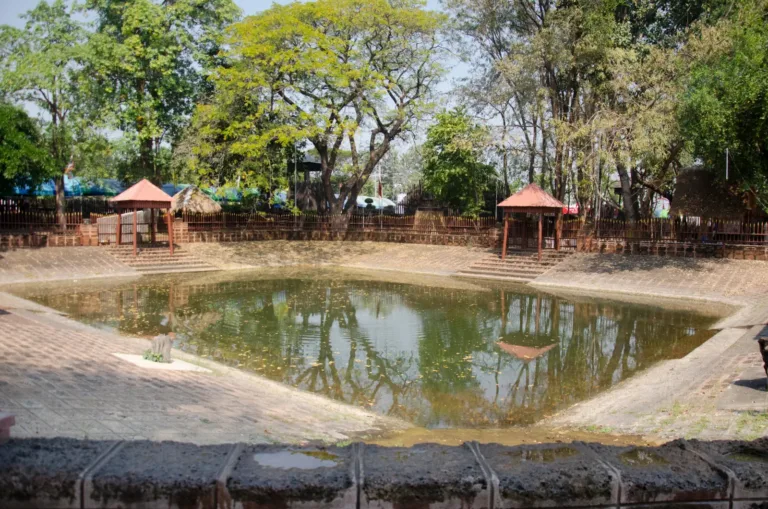 02
 03
 04
Tap a day card to see that day’s weather, rain, haze and hourly forecast
Best time to go Daytime is over · see tomorrow
Holiday — traffic on the way up and parking fills fast; leave early
Green band = hours used for the score
Best time to go Fine all day little rain through the day
Holiday — traffic on the way up and parking fills fast; leave early
Green band = hours used for the score
Best time to go Fine all day little rain through the day
No warnings today — normal road and weather conditions
Green band = hours used for the score
Best time to go Fine all day little rain through the day
No warnings today — normal road and weather conditions
Green band = hours used for the score
Best time to go Fine all day little rain through the day
No warnings today — normal road and weather conditions
Green band = hours used for the score
Best time to go Fine all day little rain through the day
No warnings today — normal road and weather conditions
Green band = hours used for the score
Best time to go Fine all day little rain through the day
No warnings today — normal road and weather conditions
Green band = hours used for the score
Wat Pho Kao Ton (Wat Mai Daeng), Moo 8, Bang Rachan, Khai Bang Rachan, Sing Buri.
Arrive 16:30
Photos from Wikimedia Commons and contributors · tap a photo to see its credit
Take care crossing
Watch children
Free · Time needed 1 hour
Holidays and the heroes' fair
Bang Rachan heroes' fair, early Feb (at the park opposite)
Tap a month on the wheel to see weather, rain, haze and crowds from 10 years of records
Best time · Nov–Feb for cool weather · early Feb heroes' fair
Watch out · Sep–Oct flood risk
Nov by the records 24–32°C · avg rain 53 mm (7 rainy days) · clear 8 days · avg PM2.5 14
Wat Pho Kao Ton, long known locally as Wat Mai Daeng, stands in Bang Rachan subdistrict, Khai Bang Rachan district, Sing Buri, and is the temple most closely tied to the story of the Bang Rachan villagers. At the end of the Ayutthaya period, around 1765–66, its grounds were the stronghold of villagers who built a stockade to resist the Burmese army, and the home of Phra Achan Thammachot, the monk who kept their spirits up. Today the temple still has his vihara, a sacred pond and the earth mounds of the old camp, directly opposite the Bang Rachan heroes' monument, making it both a community temple and one of the province's key places of remembrance.
The name Wat Mai Daeng comes from the ironwood (mai daeng) trees that once grew thickly in the grounds; villagers held them sacred and no one dared cut them. The oldest, over 200 years old, has since died. The name Wat Pho Kao Ton refers to the temple's bodhi trees. No firm founding date has been found, but the chronicle story shows the temple already existed before the battle.
In 1765, under King Ekkathat, Burmese armies invaded Ayutthaya from the north and west. Villagers from Sing Buri, Wiset Chai Chan and Sankhaburi gathered at Ban Bang Rachan around the third lunar month of the Year of the Rooster and built a stockade. They began with about 400 people and grew to around 1,000.
The villagers invited Phra Achan Thammachot to stay at Wat Pho Kao Ton inside the camp. Born Chot, he took the monastic name Thammachot Rangsi; he came from Suphan and had been abbot of Wat Khao Nang Buat (Wat Khao Khuen), known for kasina meditation and protective arts. He made protective cloths, takrut and phitsamon charms for the fighters, who came to believe they could not be harmed. Sources differ on whether the Wat Khao Nang Buat he came from was in Suphan Buri or close to Bang Rachan.
Eleven leaders are named: Khun San, Phan Rueang, Nai Thong Men, Nai Chan Nuat Khiao, Nai Thong Saeng Yai, Nai Taen, Nai Chot, Nai In, Nai Mueang, Nai Dok and Nai Thong Kaeo. According to the chronicles the camp drove the Burmese back seven times, and its fame spread. Nai Taen was shot in the knee, and Nai Thong Men, who charged the Burmese camp while drunk, was killed — the villagers' first defeat.
The camp asked Ayutthaya for cannon and was refused; the capital sent Phraya Rattanathibet to help cast guns on site, but they cracked and were useless. The eighth Burmese force was led by Suki, a Mon commander who had lived in Ayutthaya and knew Thai tactics. He refused open battle, built strong forts and edged closer, pounding the camp with guns and fire, and repeated sorties failed. The chronicles add that as the camp swelled with people of mixed sincerity, the power of the charms faded.
Bang Rachan fell on a Monday, the second day of the waning moon of the eighth month in the Year of the Dog — 1766 in most sources, though some give 1767. The resistance lasted about five months (some say about four). The chronicles put Burmese dead at over 3,000 and the camp's at over 1,000. In 1767, Ayutthaya itself fell.
What became of Phra Achan Thammachot is unknown. Prince Damrong's Thai Rop Phama says he vanished or may have died, and no one knows whether he escaped. Local legend says his disciples led him out before the camp fell, that he hid in the forests and hills until the war ended, then returned to Wat Khao Nang Buat; another version says they built him a hidden meditation chamber in the vihara there. All of this is best taken as legend.
The Bang Rachan heroes appear in several royal chronicles, and Thai Rop Phama made the image of villagers defending their land widely known. The story later entered school history lessons and has been retold in novels, TV dramas, songs and films, including a 1966 film and the 2000 film Bang Rajan. Some historians note that details such as holding the Burmese for five months may be exaggerated, since that matches the length of the entire Burmese northern campaign.
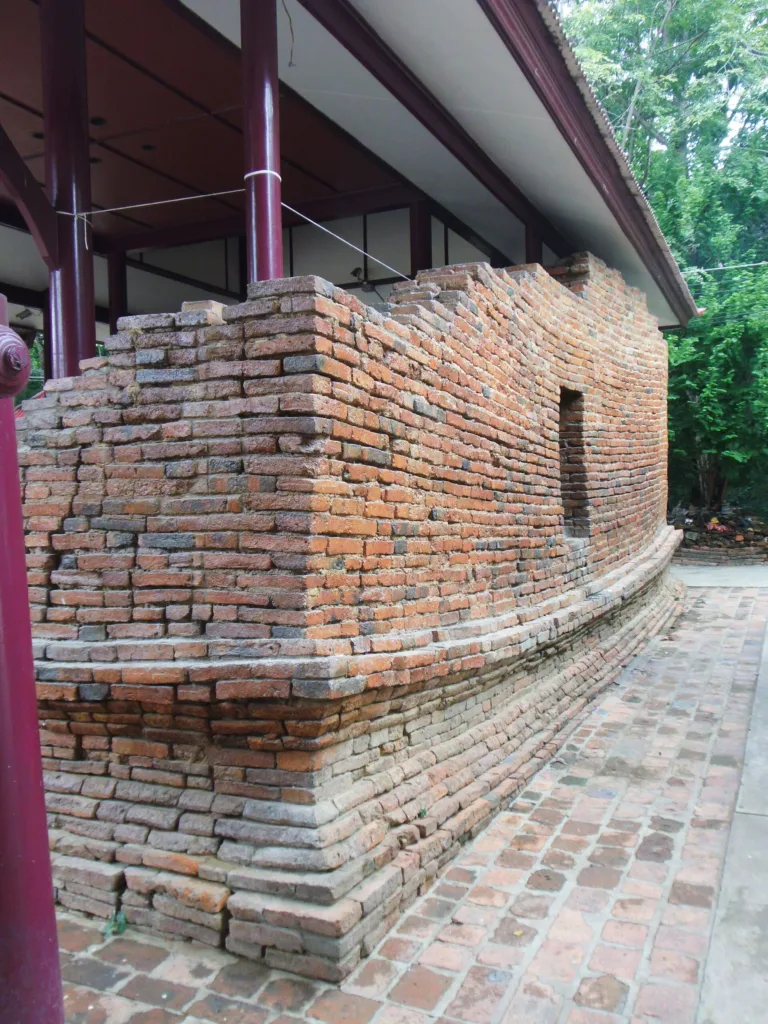
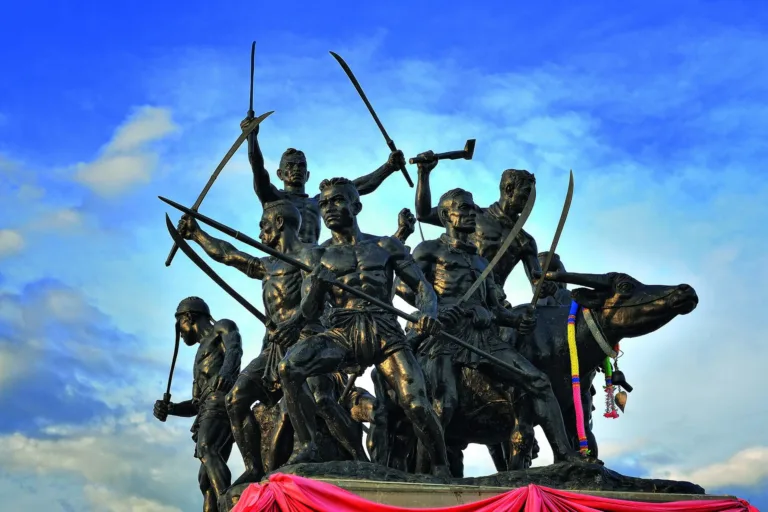
In the modern era, a government committee was set up in 1950 to restore the Bang Rachan camp, and the Fine Arts Department excavated the camp line and the pond. Several sources say the temple was registered as a historic site in 1955. In 1970 the committee proposed a replica camp to replace the vanished wooden stockade, of which only an earth rampart south of the temple remains. On 29 July 1976 King Bhumibol opened the Bang Rachan heroes' monument — statues of the eleven leaders made by the Fine Arts Department — in a park of about 115 rai opposite the temple.
Inside the temple is the vihara of Phra Achan Thammachot, a red-brick hall with four porches, housing his likeness, which villagers call Luang Pho Yim. Beside it is his pond, believed to date from Ayutthaya and never to run dry, and used in important provincial ceremonies. Legend says he sprinkled its water on the fighters before battle. People whose vows are granted carry water in shoulder buckets to top it up, as many loads as they promised. The grounds also hold a shrine to the heroes' spirits, an earth pit and the camp mounds.
Next to the temple is the Ban Rachan retro market, started at the abbot's suggestion, where villagers trade in old-style Thai dress to honour their ancestors and keep community life going. On 15 June 2019 a fire destroyed more than 20 of its wooden stalls, without injuries. A ceremony to honour the heroes is still held every year by the temple's pond — on 30 January 2026 a procession walked from the monument to the temple.
Arrived? Check in, collect a stamp and tell others what it is like right now
Check your location first, so you do not fill in the form for nothing
Location must be on and within 0.2 km · One check-in per place per day · come back on other days to check in again
Post photos from anywhere — no need to be here · Up to 20 photos at a time · JPG / PNG / WebP · GPS location data is removed automatically
On Route 3032
Route 3032 · Fuel
Route 3032, opposite the monument
At the temple and market
Khai Bang Rachan district
Good
About 08:00–17:00
about 15 km from Sing Buri town
Wat Pho Kao Ton
Approx. nightly price for 2 adults (next week) · final price depends on your dates
Answers travellers want before they go — a one-minute read
It once had many ironwood trees
Carrying water to the pond after a wish comes true
Several legends; no firm evidence
Usually weekends — check first
The park opposite has the monument and replica camp
Best day this week: Monday 30 Nov · Check in when you arrive to collect a stamp
 Khai Bang Rachan Park
 Wat Phikun Thong
 Wat Phra Non Chaksi Worawihan