 01
Laterite prangsKhmer towers on stepped bases; three still stand out
Khmer monument · Phetchaburi town
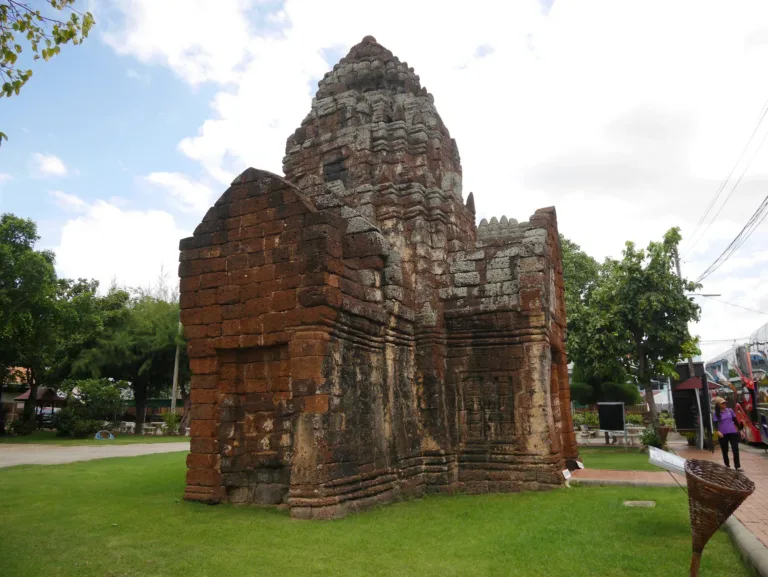
The oldest Khmer monument in Phetchaburi town, built around the reign of Jayavarman VII: laterite prangs in Bayon style inside a laterite wall, in Tha Rap, Mueang Phetchaburi.
Good weather, little rain
Daily, about 08:00–17:00 (some sources say from 07:00); check before you go
30 minutes–1 hour
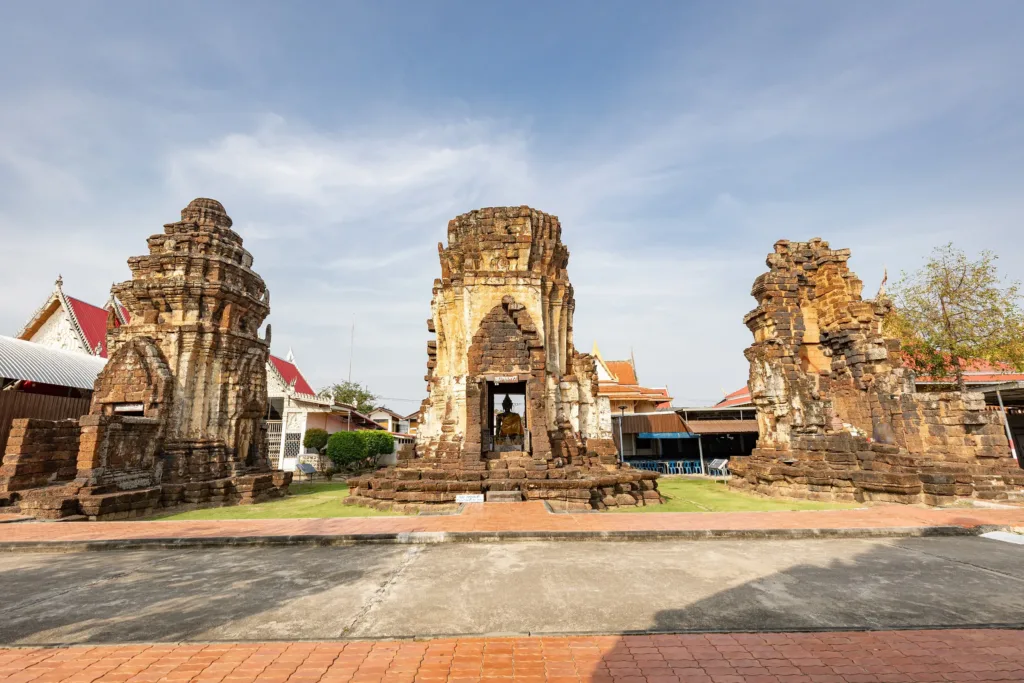
The three front towers — A diagonal angle to show the row
01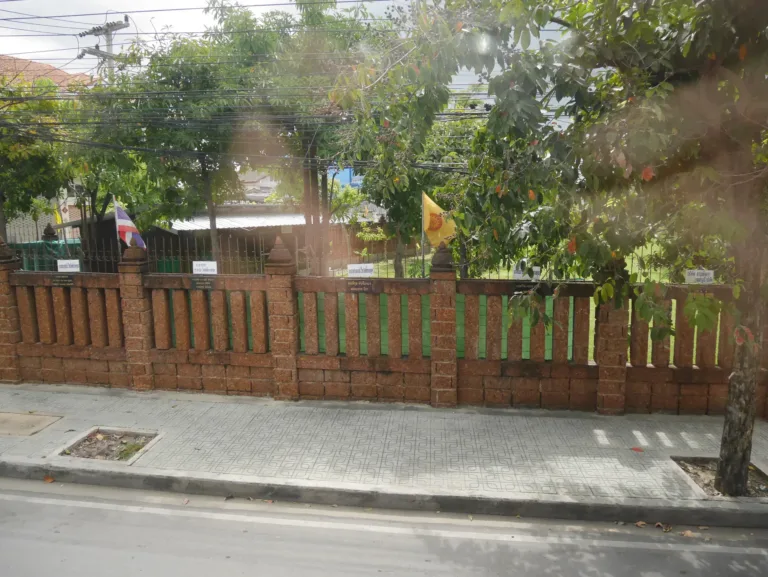 02
Tap a day card to see that day’s weather, rain, haze and hourly forecast
Best time to go Daytime is over · see tomorrow
No warnings today — normal road and weather conditions
Green band = hours used for the score
Best time to go Fine all day little rain through the day
No warnings today — normal road and weather conditions
Green band = hours used for the score
Best time to go Fine all day little rain through the day
No warnings today — normal road and weather conditions
Green band = hours used for the score
Best time to go Fine all day little rain through the day
No warnings today — normal road and weather conditions
Green band = hours used for the score
Best time to go Fine all day little rain through the day
No warnings today — normal road and weather conditions
Green band = hours used for the score
Best time to go Fine all day little rain through the day
No warnings today — normal road and weather conditions
Green band = hours used for the score
Best time to go Best window 13:00–19:00 Little rain · light drizzle possible at times
No official warnings, but watch for: Possible thunder 12:00–14:00
Green band = hours used for the score
Wat Kamphaeng Laeng is in Tha Rap, Mueang Phetchaburi, and is the oldest Khmer-era monument in the town. It was built of laterite around the reign of Jayavarman VII in the 12th–13th century, in a mix of Bayon and Lopburi styles.Inside the laterite wall, towers stand on stepped bases. Three at the front are still clear, while the one at the back is little more than ruins, and a Khmer-style gateway leads in. Surviving decoration includes kanok scrolls, deities, lions and garuda.It began as a Brahmanic shrine, was later abandoned, and was restored as a Buddhist temple in the Ayutthaya period, taking its name from the laterite wall (kamphaeng laeng) around it.
Arrive Morning or late afternoon, out of the strongest sun
Don't climb the towers or the laterite wall
Wat Kamphaeng Laeng in Tha Rap, Mueang Phetchaburi, is the oldest group of Khmer laterite sanctuaries in Phetchaburi town. It was built in the late 12th to early 13th century (often given as roughly 1177–1237), in the reign of Jayavarman VII of Angkor, in a mix of Bayon and Lopburi styles. The towers are key evidence that Phetchaburi was once part of the Khmer empire's political and cultural network, before the site became a Buddhist temple; it has been a registered national monument since 1936.
Jayavarman VII came to the throne in 1181 and reigned until around 1220. A Mahayana Buddhist, he was one of Angkor's great builders: the Bayon at the heart of Angkor Thom, roads radiating from the capital, more than a hundred rest houses, more than a hundred hospitals, and provincial temples housing replicas of his royal Buddha image. Fine Arts Department scholars see this era as the moment Angkorian Khmer influence clearly reached the Mae Klong and Tha Chin basins and Phetchaburi.
The Preah Khan inscription in Cambodia, dated 1191, records the installation of 23 Jayabuddhamahanatha images in towns across the kingdom. Its list of towns includes "Sri Jayavajrapuri," which scholars identify with Phetchaburi, one of six ancient towns in central Thailand named in the text. The Sirindhorn Anthropology Centre's art database suggests Wat Kamphaeng Laeng may be the shrine that housed that image, but this remains a hypothesis: no inscription or founding record has been found at the site itself.
The complex faces east inside a square laterite wall with a gateway (gopura) at the front. Within are four laterite towers: three in a north–south row, the central one taller, much like Prang Sam Yot in Lopburi, and a fourth behind, which still carries some stucco decoration. A small pond lies inside the wall on the east side. Each tower stands on a stepped base and was once fully covered in decorated stucco. Some sources count a cross-shaped shrine as a fifth structure, or say there were originally five prangs, and the small building in front of the row of towers was added later.
The site's original religion is still debated. Many travel sources and guides say it began as a Brahmanic (Hindu) shrine, and some state that a statue identified as Uma, consort of Shiva, was found in one tower in 1956. But objects found on the site include a radiating Avalokiteshvara, part of a four-armed Avalokiteshvara, part of a naga-sheltered Buddha and the head of Prajnaparamita. This has led scholars to propose that the three front towers followed Mahayana Buddhist belief: Prajnaparamita to the north, the naga-sheltered Buddha in the centre and Avalokiteshvara to the south, matching the Mahayana triad favoured under Jayavarman VII.
As Khmer power in the region faded, the laterite towers were abandoned for a long time. According to tradition, the site was restored as a Buddhist temple in the Ayutthaya period and named "Wat Kamphaeng Laeng" after the laterite wall (kamphaeng laeng) around it, though no record gives an exact year. Today visitors find Buddha images inside centuries-old Khmer towers, a clear trace of Phetchaburi's religious transitions.
In the modern era, the Fine Arts Department registered Wat Kamphaeng Laeng as an ancient monument in the Royal Gazette (vol. 52, part 75) in March 1936 (B.E. 2478; sources give the day as the 7th or 8th). Some sources say a modern ordination hall and monks' quarters were built beside the ruins in the 1950s, so Wat Kamphaeng Laeng became a living temple again, with resident monks caring for the old towers.
The site has long drawn scholarly attention. A 1985 Silpakorn University thesis studied Bayon-style art in Ratchaburi and Phetchaburi. Around 1987 the Fine Arts Department excavated and restored the monument, finding important sculptures including a naga-sheltered Buddha and a Lokeshvara. The following year an article on the radiating Lokeshvara found during this restoration appeared in the journal Phiphitthaphan San.
Research continued in the following decade. Muang Boran journal published Jarun Wilaikaew's article on Wat Kamphaeng Laeng in 1991, and in 2000 the art historian M.R. Suriyavudh Suksvasti published a study of a newly found Lokeshvara figure from the temple in a book on Khmer art of the Jayavarman era. Together this work made the small sanctuary in the middle of Phetchaburi a key piece of evidence for Bayon-period art in western Thailand.
Today scholars often mention Wat Kamphaeng Laeng alongside the main prang of Wat Mahathat in Ratchaburi and Prang Sam Yot in Lopburi as works contemporary with Jayavarman VII, and cite it, together with the five-spired prang of Wat Mahathat Worawihan, as evidence that Phetchaburi was an important town even then. A short walk around it is a trip back some eight hundred years, to a time when Phetchaburi was still known as Sri Jayavajrapuri.
Arrived? Check in, collect a stamp and tell others what it is like right now
Check your location first, so you do not fill in the form for nothing
Location must be on and within 1.1 km · One check-in per place per day · come back on other days to check in again
Post photos from anywhere — no need to be here · Up to 20 photos at a time · JPG / PNG / WebP · GPS location data is removed automatically
Wat Kamphaeng Laeng is in Tha Rap, within Mueang Phetchaburi District, close to town.
Tha Rap, Mueang Phetchaburi · Fuel
Town roads in Phetchaburi
Daily, about 08:00–17:00 (some sources say from 07:00); check before you go
Wat Kamphaeng Laeng
Answers travellers want before they go — a one-minute read
Tha Rap, Mueang Phetchaburi District, Phetchaburi
Around the reign of Jayavarman VII, roughly 1177–1237 CE
Khmer Bayon mixed with Lopburi, built of laterite
After the laterite wall that surrounds it
No; it was a Brahmanic shrine, restored as a Buddhist temple in the Ayutthaya period
Best day this week: Saturday 28 Nov · Check in when you arrive to collect a stamp
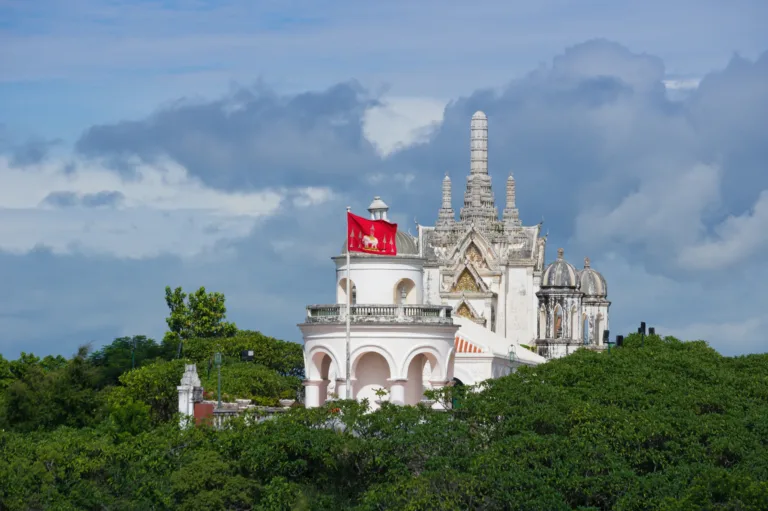 Phra Nakhon Khiri Historical Park (Khao Wang)
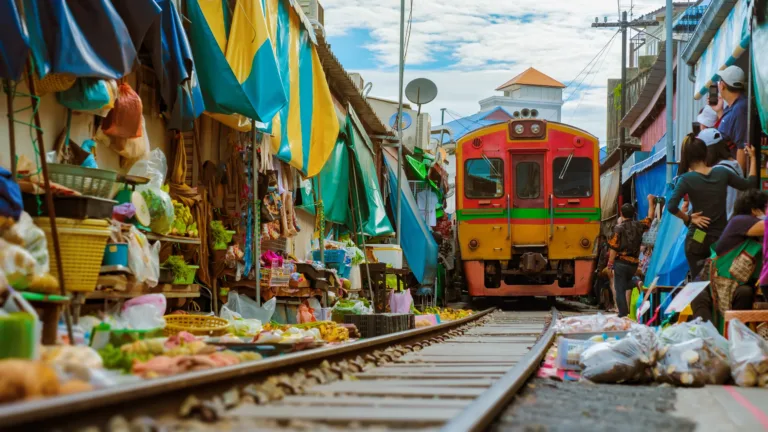 Maeklong Railway Market (Talat Rom Hup)
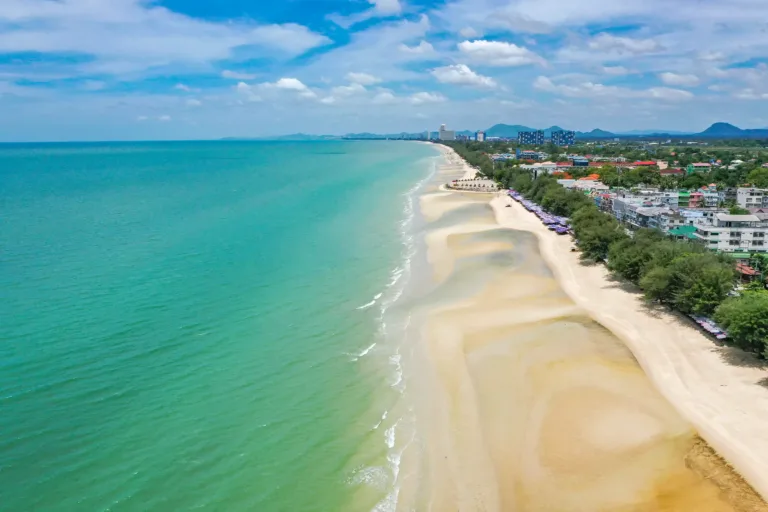 Cha-am Beach