 01
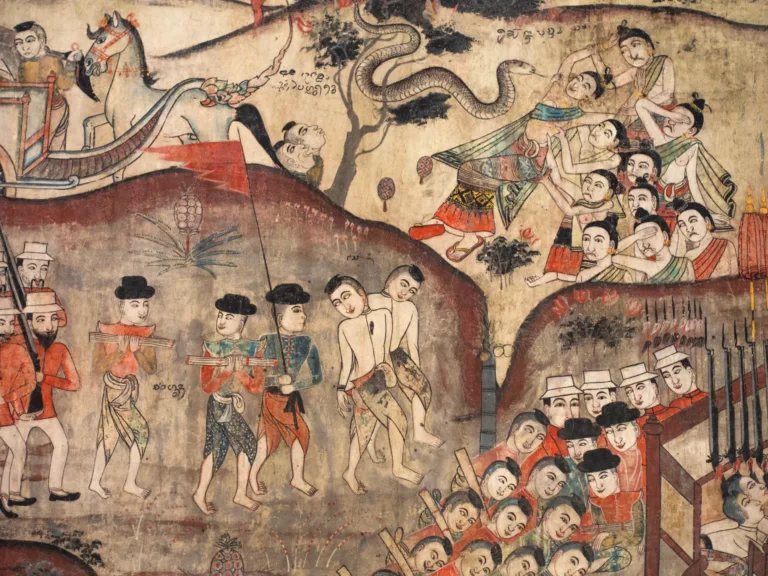
Vihara muralsJataka scenes attributed to Lao Phuan painter Tid Bua Phan
Tai Lue temple · Tha Wang Pha, Nan
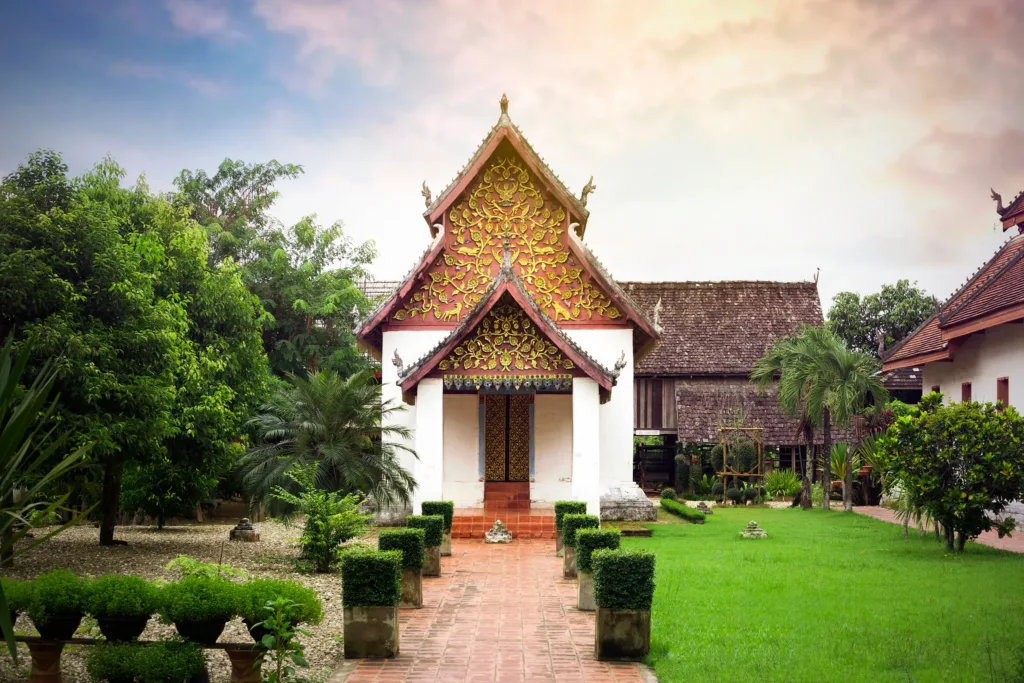
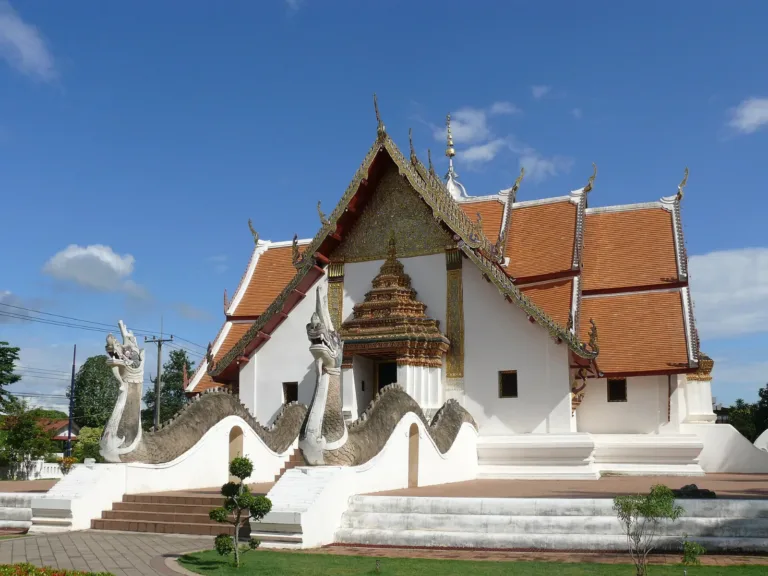
An old Tai Lue temple in Ban Nong Bua, Tha Wang Pha, with a low-roofed Tai Lue vihara and murals by the painter linked to Wat Phumin.
Good weather, little rain
Dress modestly, covering shoulders and knees · Remove shoes before entering the vihara · No flash on the murals · Don't touch the painted walls
About 08:00–18:00 (some sources say from 07:00); check before you go
01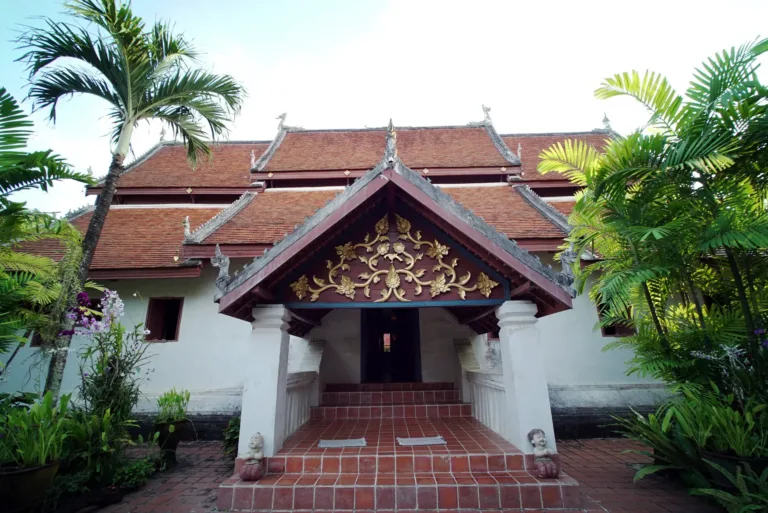 02
 03
 04
 05
Tap a day card to see that day’s weather, rain, haze and hourly forecast
Best time to go Daytime is over · see tomorrow
No warnings today — normal road and weather conditions
Green band = hours used for the score
Best time to go Fine all day little rain through the day
No warnings today — normal road and weather conditions
Green band = hours used for the score
Best time to go Fine all day little rain through the day
No warnings today — normal road and weather conditions
Green band = hours used for the score
Best time to go Fine all day little rain through the day
No warnings today — normal road and weather conditions
Green band = hours used for the score
Best time to go Fine all day little rain through the day
No warnings today — normal road and weather conditions
Green band = hours used for the score
Best time to go Fine all day little rain through the day
No warnings today — normal road and weather conditions
Green band = hours used for the score
Best time to go Fine all day little rain through the day
No warnings today — normal road and weather conditions
Green band = hours used for the score
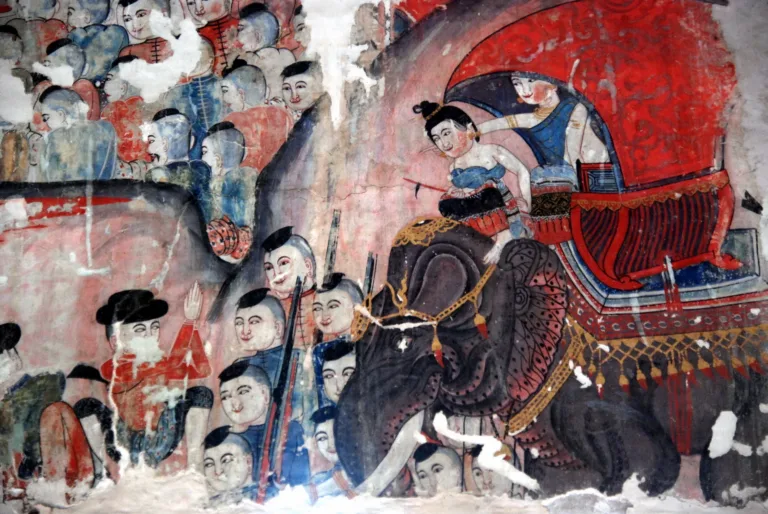
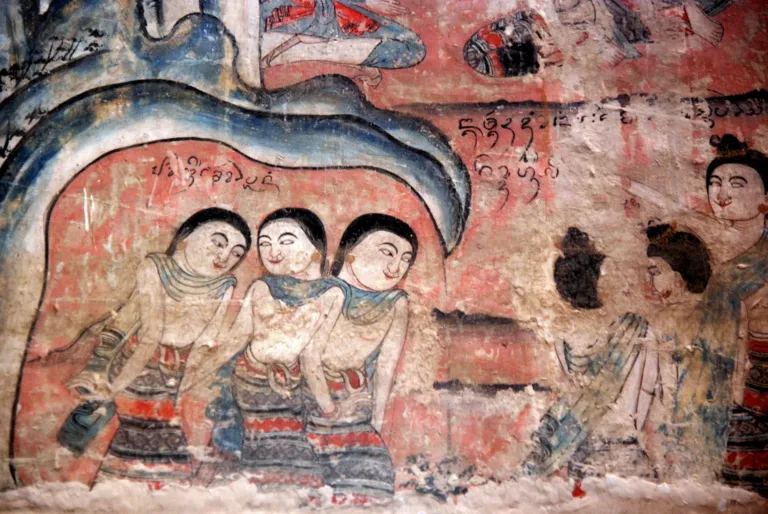
Wat Nong Bua is in Ban Nong Bua, Pa Kha subdistrict, Tha Wang Pha District, Nan. It belongs to a Tai Lue community whose ancestors came from Sipsong Panna, and village elders date it to around 1862.The vihara mixes Tai Lue and Lanna styles: a rectangular hall with a sweeping low roof and small windows. Inside, murals tell Jataka stories and are believed to be the work of Tid Bua Phan, the Lao Phuan painter also credited at Wat Phumin.The paintings show village life and women's sarong patterns, plus steamboats and soldiers with bayonets from the Rama IV–V era. A must for anyone into Tai Lue art and culture.
Wat Nong Bua, in Pa Kha subdistrict of Tha Wang Pha District, Nan, is the village temple of a Tai Lue community whose ancestors came from Sipsong Panna in southern Yunnan. Village elders say it was built around 1862, in the reign of King Rama IV, by Khruba Luang Sunanta together with the villagers. What makes this small temple among the rice fields special is its low-roofed Tai Lue vihara and its murals, believed to be by the same painter as those at Wat Phumin in Nan town, making it one of the most important folk-art sites in the province.
The arrival of the Tai Lue in Nan is tied to the rebuilding of Lanna in the early Rattanakosin period, when King Rama I had King Kawila bring people from Sipsong Panna to resettle the northern towns. The Nan chronicle records that Chao Atthaworapanyo, the 57th ruler of Nan, led forces as far as Chiang Rung, Chiang Tung and Sipsong Panna and brought back many people, some captured in war and some who followed of their own accord. Later, under Chao Sumonthewarat, another wave came from Mueang La, Mueang Phong, Mueang Chiang Khaeng and Mueang Luang Phu Kha.
For Ban Nong Bua itself, research citing the historian Ratanaporn Setthakul says the villagers came from Mueang La in Sipsong Panna after a power struggle, when the losing side fled south to Nan. Some sources date the move to 1836, led by the ruler of Mueang La, with settlers spreading to Ban Nong Bua, Ban Ton Hang and Ban Don Mun in Tha Wang Pha, and some to Chiang Kham. These communities still keep their Tai Lue language, dress and customs.
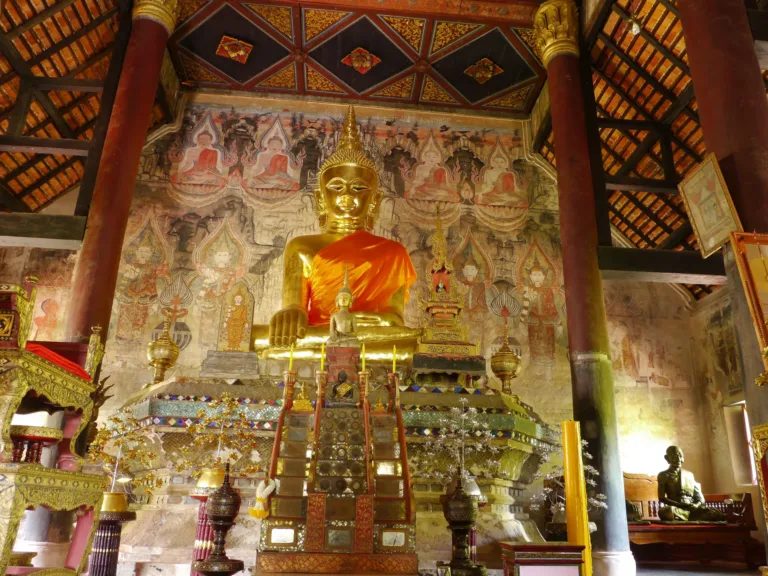
According to local accounts, the first temple stood beside the village pond before it was moved to its present site, though no one recorded when. Even the founding date of 1862 comes from community memory rather than an inscription or document. The founder, Khruba Luang Sunanta, is still revered: his likeness sits beneath the main Buddha image in the vihara, alongside that of another senior monk.
Tai Lue craftsmen built the vihara, blending early Tai Lue architecture with Lanna style. It is rectangular and faces east, with tiered roofs sweeping down almost to the walls and small window openings. The base and lower walls are plastered brick, while the upper parts and roof frame are decorated teak. Inside are a Lanna-period busabok shrine and several small Lanna Buddha images, and a revered chedi stands in the temple grounds.
Elders recall that the vihara walls were once bare, and that the murals were later painted under the lead of Nan Bua Phan, also called Tid Bua Phan. Nothing was written down about him, so sources differ: some describe him as a Lao Phuan artisan brought from the Luang Prabang region, while others see him as a Tai Lue painter because the style is so clearly Tai Lue. What everyone agrees on is that the paintings here and at Wat Phumin are strikingly alike.
No inscription dates the murals, so estimates vary. One estimate places them between about 1867 and 1906, while a study by Winai Prabripoo, based on oral accounts and analysis of the images, suggests roughly 1872 to 1887, in the reign of King Rama V. Wat Phumin's major restoration began in 1867 under Chao Anantaworaritthidet and took about seven years. Some sources believe the painter worked at Wat Nong Bua first before moving on to Wat Phumin, but this remains a hypothesis.
The main story on the walls is the Chanthakhat Jataka, one of the non-canonical Pannasa Jataka tales, alongside scenes from the life of the Buddha. Above the door on the east wall is a reclining Buddha very similar to one at Wat Phumin. Woven through are scenes of real life at the time: Lanna nobles, soldiers, houses and women in flowing-water pattern sarongs, along with steamboats, French soldiers and bayonets, all newly arrived in the Rama IV–V era. The murals are both art and a record of social history.
The murals have become a steady subject of scholarship. A thesis compared the paintings of Wat Phumin and Wat Nong Bua, and a 2022 study documented 560 paintings in 138 groups at Wat Nong Bua and identified 35 plant species across the two temples, using the Tai Lue captions to help classify them. A foundation set up by Assoc. Prof. Kan Phunphiphat photographed the murals digitally for conservation and included them in an exhibition of Nan murals in 2023. The lower parts of the walls have faded badly, and one painting was lost to a rain leak.
The temple received its royal consecrated boundary on 5 April 1928 and won an architectural conservation award from the Association of Siamese Architects in 2010. Ban Nong Bua is also known for weaving: the flowing-water pattern is said to have been first woven here, villagers have woven for more than 150 years, and a women's weaving group was formed in 1980. Behind the temple, the Sai Yai Chumchon cultural centre displays old household items and sells local handwoven cloth.
Today the temple remains the centre of Tai Lue community life, from Songkran to the Salak and Tung merit-making festivals. In 2023 Thai PBS featured it as a living museum where elders weave cotton and play Tai Lue music to welcome visitors. When floods hit Nan in August 2024, water reached inside the vihara, but the murals sit about 50 cm above the waterline and were not directly damaged.
Arrived? Check in, collect a stamp and tell others what it is like right now
Check your location first, so you do not fill in the form for nothing
Location must be on and within 1 km · One check-in per place per day · come back on other days to check in again
Post photos from anywhere — no need to be here · Up to 20 photos at a time · JPG / PNG / WebP · GPS location data is removed automatically
From Nan town take Highway 1080 toward Tha Wang Pha.
Highway 1080 from Nan toward Tha Wang Pha, left around km 40 · Fuel
Paved Highway 1080, then a village road
Parking in the temple grounds
Tha Wang Pha town
About 08:00–18:00 (some sources say from 07:00); check before you go
about 40–45 km from Nan town
Wat Nong Bua
Answers travellers want before they go — a one-minute read
Ban Nong Bua, Pa Kha, Tha Wang Pha District, Nan
Its Tai Lue vihara and old murals
They're attributed to Tid Bua Phan, the Lao Phuan painter also linked to Wat Phumin
Around 1862, according to village elders
Jataka tales, including the Chanthakhat Jataka, and daily life in the Rama IV–V era
Modest clothes covering shoulders and knees
Best day this week: Saturday 28 Nov · Check in when you arrive to collect a stamp
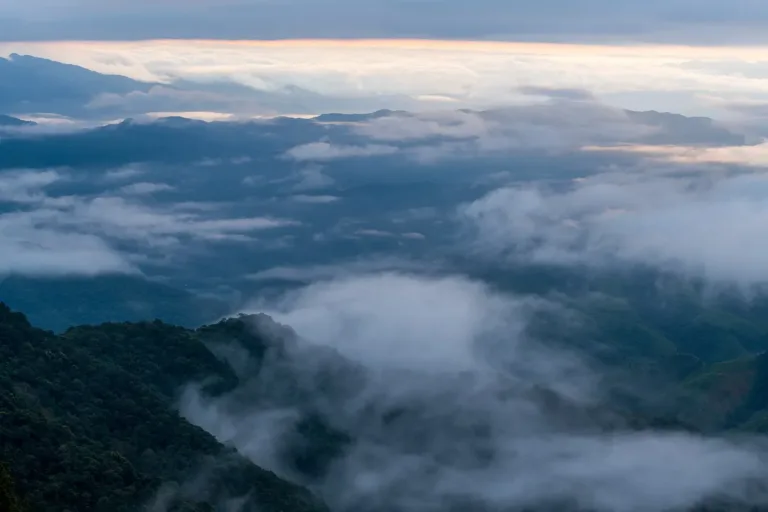 Doi Phu Kha National Park
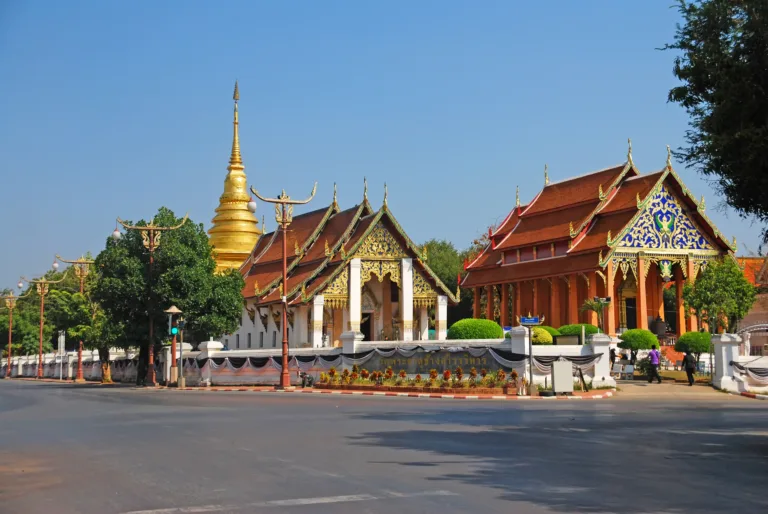 Wat Phra That Chang Kham Worawihan
 Wat Phumin