 01
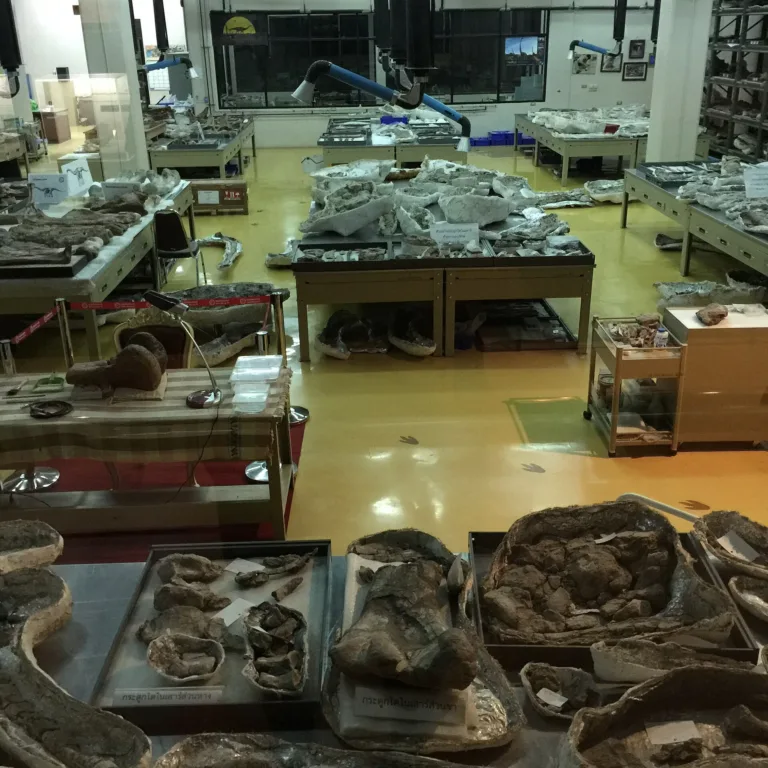
Phu Kum Khao dig pitPhuwiangosaurus sirindhornae bones still in the rock
Phu Kum Khao dinosaurs · Sahatsakhan
Thailand's first dinosaur museum, at Phu Kum Khao in Non Buri, Sahatsakhan, Kalasin. See a real excavation pit of plant-eating dinosaur bones and eight exhibition zones. Closed Mondays.
Holiday / event — crowded
01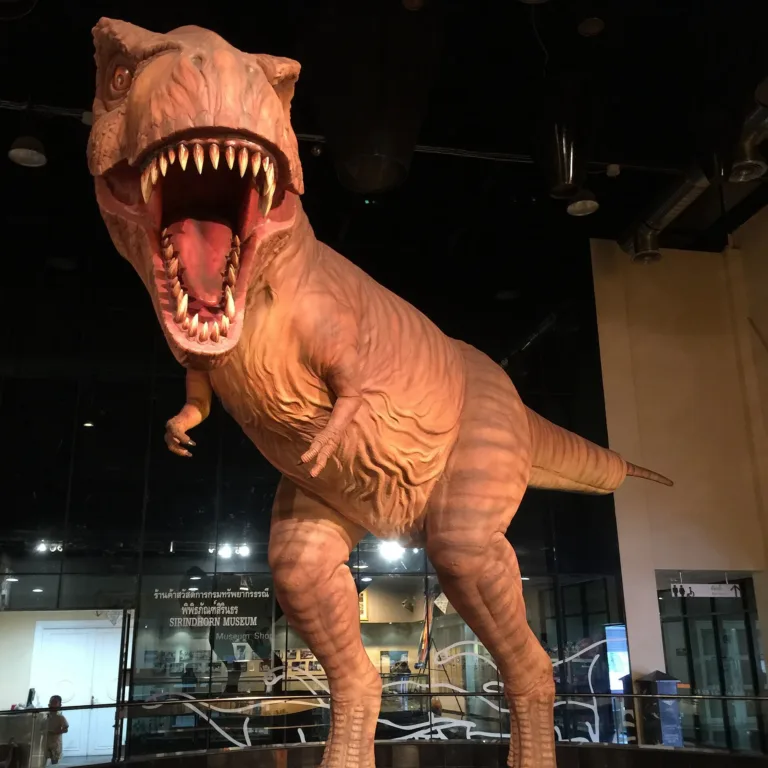 02
Tap a day card to see that day’s weather, rain, haze and hourly forecast
Best time to go Daytime is over · see tomorrow
Holiday — traffic on the way up and parking fills fast; leave early
Green band = hours used for the score
Best time to go Fine all day little rain through the day
Holiday — traffic on the way up and parking fills fast; leave early
Green band = hours used for the score
Best time to go Fine all day little rain through the day
No warnings today — normal road and weather conditions
Green band = hours used for the score
Best time to go Fine all day little rain through the day
No warnings today — normal road and weather conditions
Green band = hours used for the score
Best time to go Fine all day little rain through the day
No warnings today — normal road and weather conditions
Green band = hours used for the score
Best time to go Fine all day little rain through the day
No warnings today — normal road and weather conditions
Green band = hours used for the score
Best time to go Fine all day little rain through the day
No warnings today — normal road and weather conditions
Green band = hours used for the score
The Sirindhorn Museum, officially the Phu Kum Khao Dinosaur Research Centre and Museum, is in Non Buri, Sahatsakhan District, Kalasin, run by the Department of Mineral Resources. It was built after dinosaur bones were found at Phu Kum Khao in 1994, the largest plant-eating dinosaur site in Thailand.Inside, eight zones run from the birth of the universe through the Mesozoic and Thai dinosaurs to humans, with life-size models. Nearby, an excavation pit shows bones of Phuwiangosaurus sirindhornae still set in the rock.Open Tuesday–Sunday 09:30–16:30, closed Mondays. Entry is 50 baht for Thai adults, 20 baht for Thai children and 150 baht for foreign adults.
Arrive By 14:30 to see everything
Plan your visit for Tuesday to Sunday
Separate from the main building, with an outdoor walk
Thais 50 THB · Foreigners 150 THB · Time needed 2–3 hours
Long weekends and school holidays, late morning
| Entry, Thai adult | 50 ฿/person |
| Entry, Thai child optional | 20 ฿/person |
| Entry, foreign adult | 150 ฿/person |
| Entry, foreign child optional | 70 ฿/person |
Prices may change by season — check with the venue
The Sirindhorn Museum grew out of a discovery of dinosaur bones at the foot of Phu Kum Khao, beside Wat Sakkawan in Sahatsakhan District, Kalasin, in 1994. What began with mysterious bones kept by the temple's abbot led to excavations by the Department of Mineral Resources with French researchers, which turned up more than 700 bones from at least seven plant-eating dinosaurs. Phu Kum Khao became Thailand's most complete herbivorous dinosaur site and grew into the country's first dinosaur research centre and museum, officially opened by Princess Maha Chakri Sirindhorn on 9 December 2008.
The story starts in the Early Cretaceous. The bone-bearing rocks belong to the Sao Khua Formation of the Khorat Group. Most sources put the fossils at around 120–130 million years old, though some say about 150 million. The bones lie in a rock layer on the hillside at about 240 metres. Scientists suggest the spot may once have been a watering place where a sudden disaster killed many dinosaurs at once.
Thailand's dinosaur story had begun in 1976, when a Department of Mineral Resources uranium survey team found a leg bone at Phu Wiang in Khon Kaen. French experts confirmed it as the leg of a sauropod, later named Phuwiangosaurus sirindhornae. In Kalasin itself, a scientific report notes that more than a hundred sauropod bones were found near a temple in the province in 1991.
The key figure here is Luang Pu Ha Suphro, born on 2 July 1925 in Yang Talat District and abbot of Wat Sakkawan from 1955. Around 1967 he developed the temple at the foot of Phu Kum Khao, building an ordination hall and a viharn and cutting roads around the grounds. As several media outlets tell the story, he dreamed of a huge long-necked dinosaur at the foot of the hill; later, after heavy rain, his disciples found large bones washed out of the soil, and he had them kept and reported to the district officer. Sources differ on when bones were first found: most say 1994, while one says he had noticed strange bones as early as around 1978.
At the time he held the title Phra Khru Wijit Sahatsakhun. On 10 September 1994 Department of Mineral Resources officials inspected the site, and 19 November 1994 marks the first day of systematic excavation by a Thai–French team of palaeontologists. A paper by the excavators published in 1999 described it as a major find of sauropod remains near Wat Sakkawan, with several partly articulated skeletons, jaw bones and many teeth.
The first excavation ran for about a year, and the bone count grew over time: the 1999 report gives more than 600, most later sources more than 700, and some more than 800. They come from at least seven sauropods, including a nearly complete skeleton of Phuwiangosaurus sirindhornae. The dig also produced teeth of two plant-eating and two meat-eating dinosaurs, plus remains of crocodiles, turtles, fish and bivalves, and researchers think another herbivore may be a new genus and species.
On 24 November 1995 Princess Maha Chakri Sirindhorn came to see the fossils. The Department of Mineral Resources then set up a museum project and built a temporary shelter over the pit to protect the bones where they lay, starting work as the Phu Kum Khao Dinosaur Research Centre. A 375-square-metre research building for conserving and studying fossils followed; some sources date it to 1996, others to 1997.
Construction of the main museum began around 2000 on about 333 rai of land, at a cost of about 382 million baht, with roughly 8,800 square metres of indoor and 3,165 square metres of outdoor exhibition space. It opened informally to visitors in late 2007, which is why some sources give 2007 as the opening year, before Princess Sirindhorn officially opened it on 9 December 2008 and gave it the name Sirindhorn Museum.
When it first opened, the exhibition was arranged in nine zones; today there are eight, running from the birth of the universe through the age of dinosaurs and Thai dinosaurs to humans. The original dig pit still shows bones in the rock and was named the Phra Yan Wisan Thera Excavation Building, after the title Luang Pu Ha later received.
Beyond tourism, the museum is a research centre with international partners. It began exchanging expertise with Japan's Fukui Prefectural Dinosaur Museum in 2006; in 2013 the Japanese side borrowed fossils for an exhibition, and on 25 November 2014 the two signed a sister-museum agreement covering joint research, excavation and exhibition exchanges.
In recent years the museum has also taken part in new finds in Kalasin, such as Minimocursor phunoiensis, a small plant-eater from the Phu Noi site announced in 2023 as Thailand's 13th new dinosaur species. That same year Luang Pu Ha Suphro, known as the "dinosaur monk", passed away on 24 November 2023, and a royal bathing rite was held at Wat Sakkawan. Today the temple, the dig pit and the museum still stand side by side at the foot of Phu Kum Khao, telling the story of a discovery that began at a rural temple in Isan.
Arrived? Check in, collect a stamp and tell others what it is like right now
Check your location first, so you do not fill in the form for nothing
Location must be on and within 1 km · One check-in per place per day · come back on other days to check in again
Post photos from anywhere — no need to be here · Up to 20 photos at a time · JPG / PNG / WebP · GPS location data is removed automatically
The museum is in Non Buri, Sahatsakhan, Kalasin, beside Phu Kum Khao hill.
To Sahatsakhan; turn towards Wat Sakkawan about 1 km before town · Fuel
Paved road near Sahatsakhan town
Car park on site
Sahatsakhan town
Tue–Sun 09:30–16:30 (closed Mondays)
Sirindhorn Museum
150 THB
Answers travellers want before they go — a one-minute read
Non Buri, Sahatsakhan, Kalasin, beside Phu Kum Khao
Tue–Sun 09:30–16:30, closed Mondays
Thai adult 50, child 20 baht · foreign adult 150, child 70 baht
Yes, a dig pit shows Phuwiangosaurus bones in the rock
About 2–3 hours
Very; there are several life-size dinosaur models
Best day this week: Monday 30 Nov · Check in when you arrive to collect a stamp
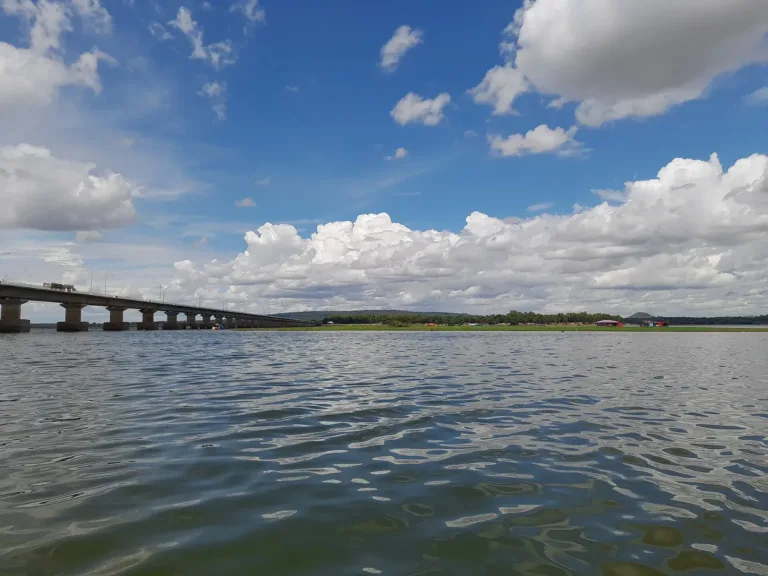 Lam Pao Dam
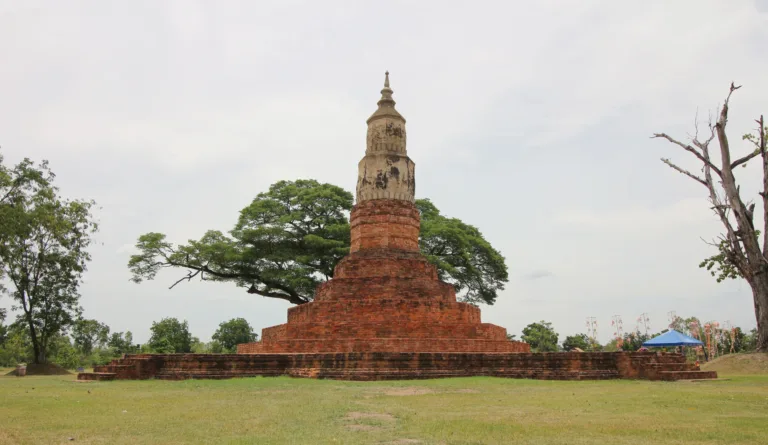 Phra That Ya Khu