 01
Ancient brine wellsTwo wells still in use, fed by an underground rock-salt layer
Salt-making village · Bo Kluea, Nan
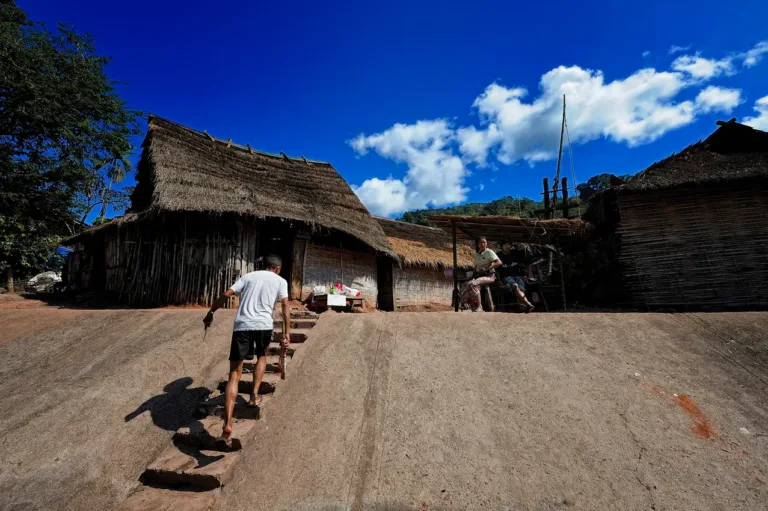
Mountain salt wells in Ban Bo Luang, Bo Kluea District, Nan, where villagers still draw brine from ancient wells and boil it over wood fires into rock salt. Free to visit, in a quiet valley village.
Holiday / event — crowded
Cool-season long weekends
30–60 minutes
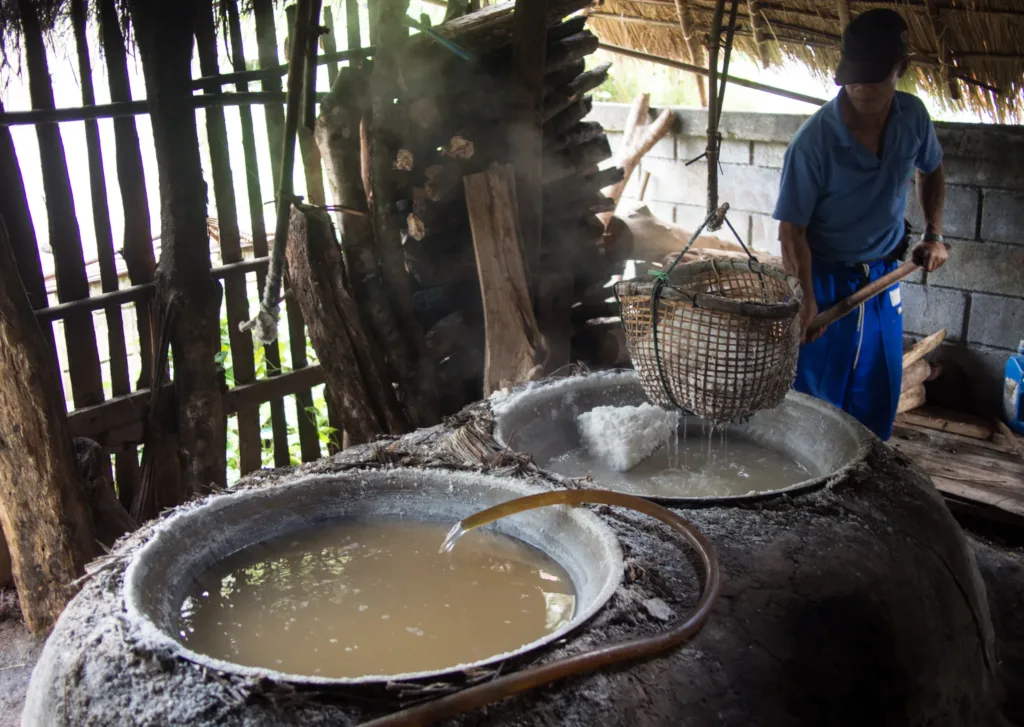
Salt-boiling shed — Steam rising from the pans in shafts of light
Daily, around 08:00–17:00
Free
01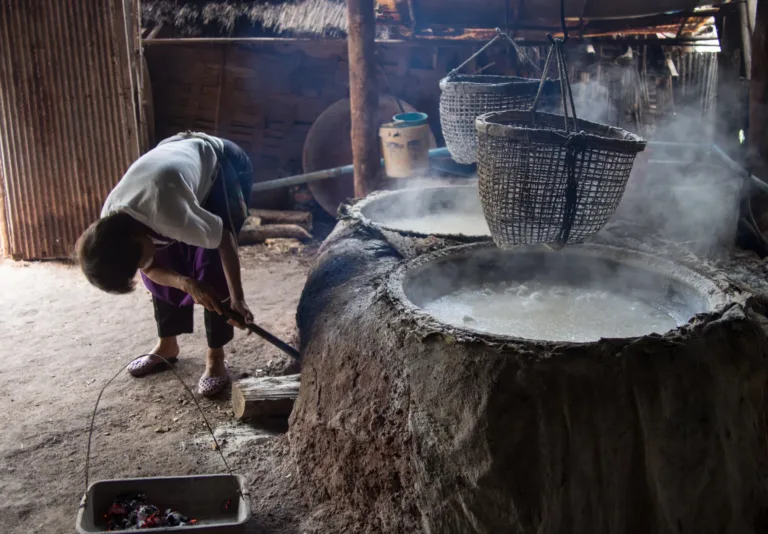 02
 03
 04
Tap a day card to see that day’s weather, rain, haze and hourly forecast
Best time to go Daytime is over · see tomorrow
Thick morning fog with visibility under 1 km — use headlights and drive slowly
Holiday — traffic on the way up and parking fills fast; leave early
Green band = hours used for the score
Best time to go Fine all day little rain through the day
Holiday — traffic on the way up and parking fills fast; leave early
Green band = hours used for the score
Best time to go Fine all day little rain through the day
No warnings today — normal road and weather conditions
Green band = hours used for the score
Best time to go Fine all day little rain through the day · light drizzle possible at times
No warnings today — normal road and weather conditions
Green band = hours used for the score
Best time to go Fine all day little rain through the day
Thick morning fog with visibility under 1 km — use headlights and drive slowly
Green band = hours used for the score
Best time to go Fine all day little rain through the day · light drizzle possible at times
No warnings today — normal road and weather conditions
Green band = hours used for the score
Best time to go Fine all day little rain through the day
No warnings today — normal road and weather conditions
Green band = hours used for the score
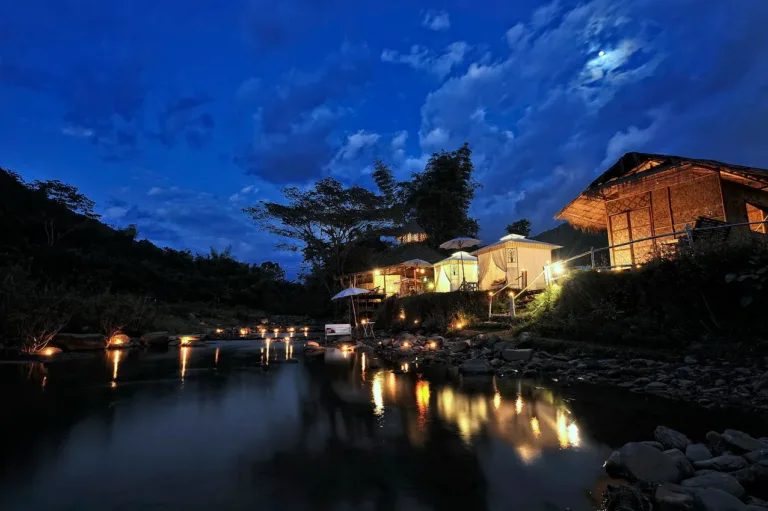
The Bo Kluea salt wells sit in the middle of Ban Bo Luang village in Bo Kluea Tai, Bo Kluea District, Nan. In this small valley village, salt is still made the old way: brine is hauled up from the wells and boiled in wide pans over wood fires until only white crystals remain.The brine seeps up naturally from a rock-salt layer underground. Two wells are still in use, and you can wander the boiling sheds, chat with the salt makers and buy salt or local products straight from the community.For centuries, Bo Kluea salt was a prized trade good across Lanna and beyond. The dry season is the best time to visit; in the rainy season and during Buddhist Lent, boiling often slows or stops.
Arrive 10:00 for a better chance of seeing the boiling
Drive yourself, rent a vehicle or hire a driver
It depends on the weather and the workers; some days nothing is boiling
The route is winding and steep; drive slowly and watch for oncoming traffic
Free · Time needed 30–60 minutes
Cool-season long weekends
The salt wells of Ban Bo Luang, in Bo Kluea Tai subdistrict of Bo Kluea district, are the largest mountain salt wells in Nan province. They sit in a small valley basin not far from Doi Phu Kha, where villagers still draw brine from ancient wells and boil it over wood fires until white salt crystals remain, a craft handed down for generations. Locals say salt has been made here for about 800 years, some say more than a thousand, while the Nan Chronicle mentions salt from a well near Nan as early as the 15th century. Salt from this valley was once valuable enough to be a cause of war, and today Bo Kluea's salt-making knowledge is registered as national intangible cultural heritage.
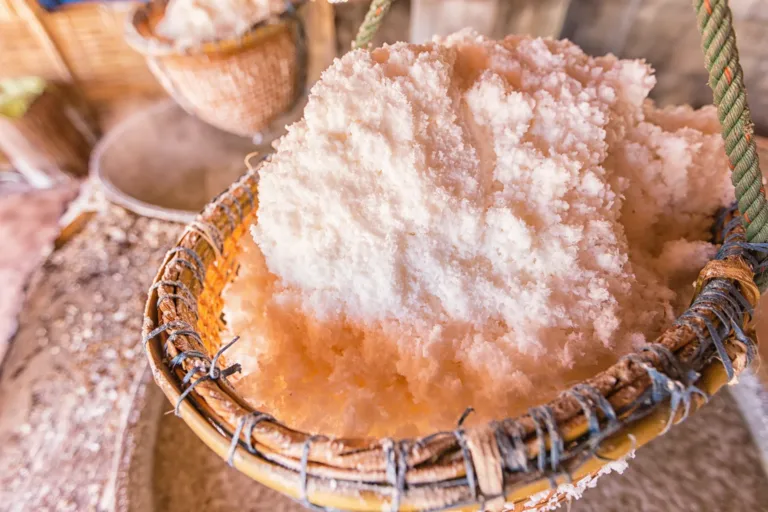
The water is salty because salt layers lie beneath the valley. A study citing geophysical surveys says the groundwater here lies about 20–40 metres down in sediment and rock, with especially high salinity at the north and south wells, so brine seeps into the wells on its own and no mining is needed. Unlike sea salt, rock salt from northern brine wells contains no natural iodine.
People have lived in what is now Bo Kluea district since prehistoric times: stone tools found here suggest settlement some 1,500 to 5,000 years ago. At Ban Bo Luang itself, Lanna pottery sherds point to a town-sized community around the 20th–23rd Buddhist centuries (roughly the 14th–18th centuries CE). The area was once called "Mueang Bo", and a 92-year-old former village headman recalled that there were once nine brine wells around the village.
Legend says the place was once thick forest. A hunter noticed wild animals regularly drinking at a spring, tasted the water and found it salty. Word reached the lords, and Chao Luang Phukha and Chao Bo Luang came to inspect it, then settled their boundary by throwing spears from the top of Doi Phu Chan. Chao Luang Phukha's spear landed west of the Mang stream, where his spirit shrine stands today, while Chao Bo Luang's landed to the east, beside the great salt well, where his shrine now stands. Another version says the contest was between Chao Luang Pua and Chao Luang Bo, with Chao Luang Phukha as judge.
The legend goes on to say that people from Chiang Saen were later brought in to clear the land and make salt, in some tellings at Chao Luang Phukha's request. The people of Ban Bo Luang today regard them as their ancestors. Spirit shrines and stone markers honouring the two lords still stand in the village, and offerings are made to them every year.
The Nan Chronicle mentions "Bo Mang" (also spelled Bo Maang), which scholars identify with the salt wells of today's Bo Kluea Nuea and Bo Kluea Tai subdistricts. Studies of the chronicles relate that around 1448 Inthakaen, ruler of Nan, sent King Tilokarat of Chiang Mai a gift of salt from a famous well near Nan. Tilokarat then marched on Nan and took it, claiming he needed Bo Mang salt as a major tribute, so historians see salt as one reason Nan lost its independence to Lanna. Sources give different years for this, between 1448 and 1450.
With Nan in Lanna hands, the rock-salt sources of Nan, Lampang, Chiang Kham and Chiang Khong all came under Lanna control. A historical study of salt notes that Ayutthaya had bought rock salt from Nan, then the largest source, and when it could no longer do so under King Borommatrailokanat, a shortage followed and the king had to buy salt, a prohibited good, secretly from China.
Salt was a necessity that could not be found everywhere, so Nan's well salt was an important trade good. Scholars say salt from here fed people in Sukhothai, Laos, Lanna, Kengtung and Sipsongpanna. Locally, villagers around Mae Charim and Bo Kluea used to carry the salt they boiled down to the mouth of the Wa River, an important trading centre, and barter it there.
Life in Ban Bo Luang is bound up with "Chao Luang Bo", the guardian spirit of the wells. Every year on the eighth day of the waning moon of the fifth lunar month, the village is closed to outside vehicles for three days, though people may still enter on foot, for an offering to thank the spirits for their protection and for the salt that sustains the community. During this time no salt may be boiled, no brine drawn and no brine taken out of the village. Elders say people once had to stay home for seven days; this has eased to three or four. Villagers stop boiling salt during Buddhist Lent, women may not step on the well rim, and when the wells run dry a rite is held to ask for the brine to flow again.
Salt is still made the traditional way: brine is drawn from the well and boiled in pans over wood-fired clay stoves, each batch taking about 4.5–5 hours. The clay stoves crack easily and are rebuilt almost every year. Two wells are still used for boiling: Well 1 to the north, where a land title was issued for the surrounding plot in 1993, and Well 2 to the south, on public land that producers lease from the subdistrict municipality. In 2011 a research project developed fuel-saving salt-boiling stoves and built 17 prototypes, and in May 2012 the producers' group drew up shared rules for using the wells.
Administratively, Bo Kluea Nuea and Bo Kluea Tai subdistricts were split from Pua district as Bo Kluea minor district on 5 February 1988, which became a full district on 7 September 1995. As tourism in Nan grew, the salt wells became a destination in their own right, and the community's main income shifted towards guesthouses, restaurants and souvenirs, while salt sells best in the cool season and online. Bo Kluea's salt-making knowledge was registered as national intangible cultural heritage on the 2022 list (some sources say 2019).
Arrived? Check in, collect a stamp and tell others what it is like right now
Check your location first, so you do not fill in the form for nothing
Location must be on and within 2 km · One check-in per place per day · come back on other days to check in again
Post photos from anywhere — no need to be here · Up to 20 photos at a time · JPG / PNG / WebP · GPS location data is removed automatically
From Nan town head to Pua, then take Highway 1256 through Doi Phu Kha National Park to Bo Kluea.
Highway 1256 via Doi Phu Kha, or Highway 1081 · Fuel
From Nan town or Pua · Negotiable
Paved mountain roads, winding and steep
Daily, around 08:00–17:00
Bo Kluea Salt Well
Answers travellers want before they go — a one-minute read
No, it's free to walk around
Dry season (Oct–Feb), especially weekday mornings
It often slows or stops during the rains and Buddhist Lent
No direct service; drive, rent a vehicle or hire a driver
It's rock salt from an underground layer with no natural iodine, so producers add iodine before sale
Best day this week: Monday 30 Nov · Check in when you arrive to collect a stamp
 Ban Sapan
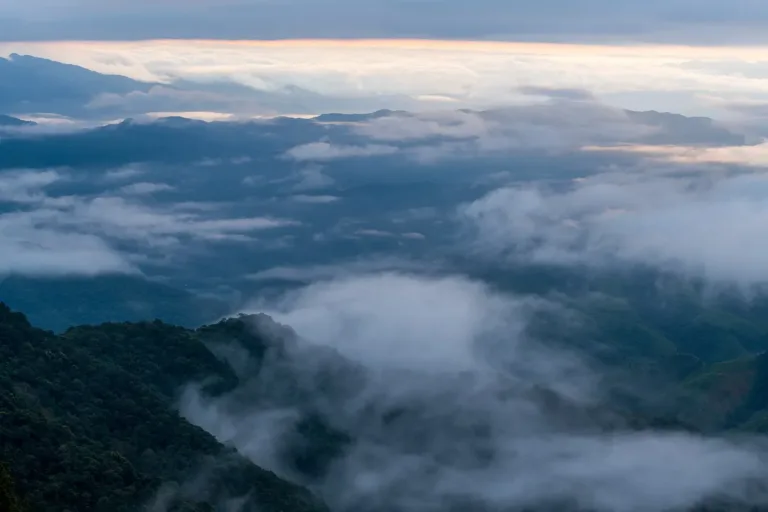 Doi Phu Kha National Park
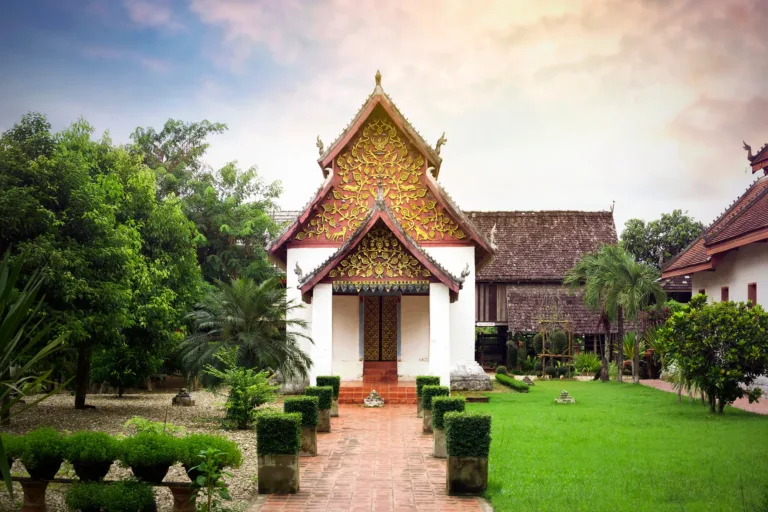 Wat Nong Bua