 01
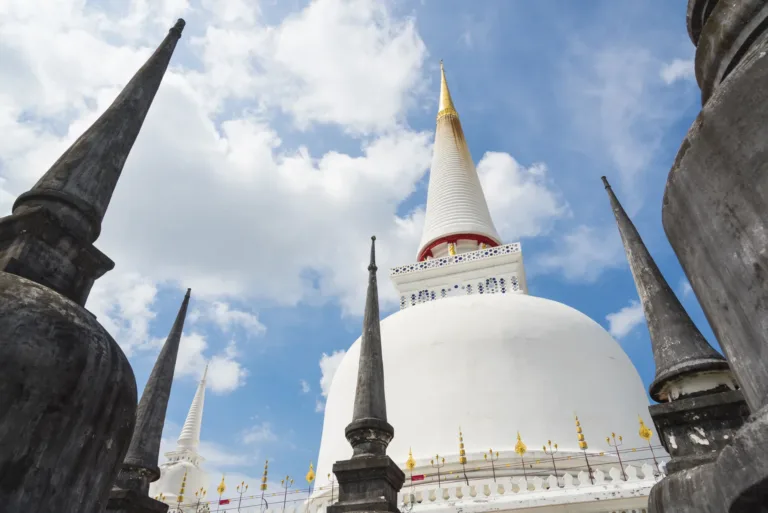
Phra Borommathat ChediA Sri Lankan-style bell stupa with a gold-covered spire
World Heritage · Nakhon Si Thammarat
Nakhon's great temple, a first-class royal monastery in the heart of Nakhon Si Thammarat, home to a gold-tipped Sri Lankan-style stupa and inscribed as a World Heritage Site on 25 July 2026.
Holiday / event — crowded · Evening (16:00–19:00): rain ~24%
Dress modestly, covering shoulders and knees · Remove shoes before entering halls and the stupa terrace · Don't climb or sit on stupas or Buddha bases
Daily, about 08:30–16:30; check before you go
Morning, before the sun gets strong
Hae Pha Khuen That (Makha Bucha day)
01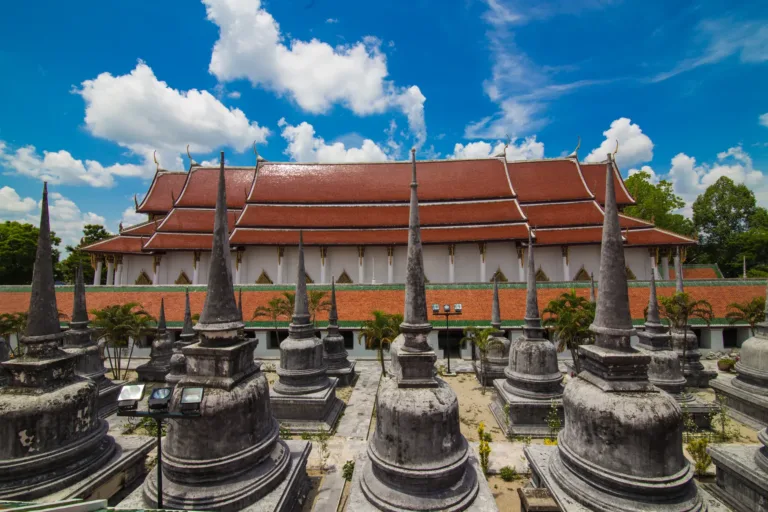 02
 03
Tap a day card to see that day’s weather, rain, haze and hourly forecast
Best time to go Daytime is over · see tomorrow
Holiday — traffic on the way up and parking fills fast; leave early
Green band = hours used for the score
Best time to go Best window 16:00–18:00 Little rain · light drizzle possible at times
Rain at times — slippery roads, allow extra travel time
Holiday — traffic on the way up and parking fills fast; leave early
Green band = hours used for the score
Best time to go Rain most of the day lightest around 06:00–09:00
Heavy rain, about 41 mm — watch for flooding and slippery roads
Rain at times — slippery roads, allow extra travel time
Green band = hours used for the score
Best time to go Best window 14:00–19:00 Little rain · light drizzle possible at times
Rain at times — slippery roads, allow extra travel time
Green band = hours used for the score
Best time to go Best window 06:00–08:00 Little rain · light drizzle possible at times
No official warnings, but watch for: Evening (16:00–19:00): rain ~32% · Possible thunder 11:00–17:00
Green band = hours used for the score
Best time to go Rain most of the day lightest around 08:00–11:00
Rain at times — slippery roads, allow extra travel time
Green band = hours used for the score
Best time to go Rain most of the day lightest around 16:00–19:00
No official warnings, but watch for: Late morning (09:00–12:00): rain ~99%
Green band = hours used for the score
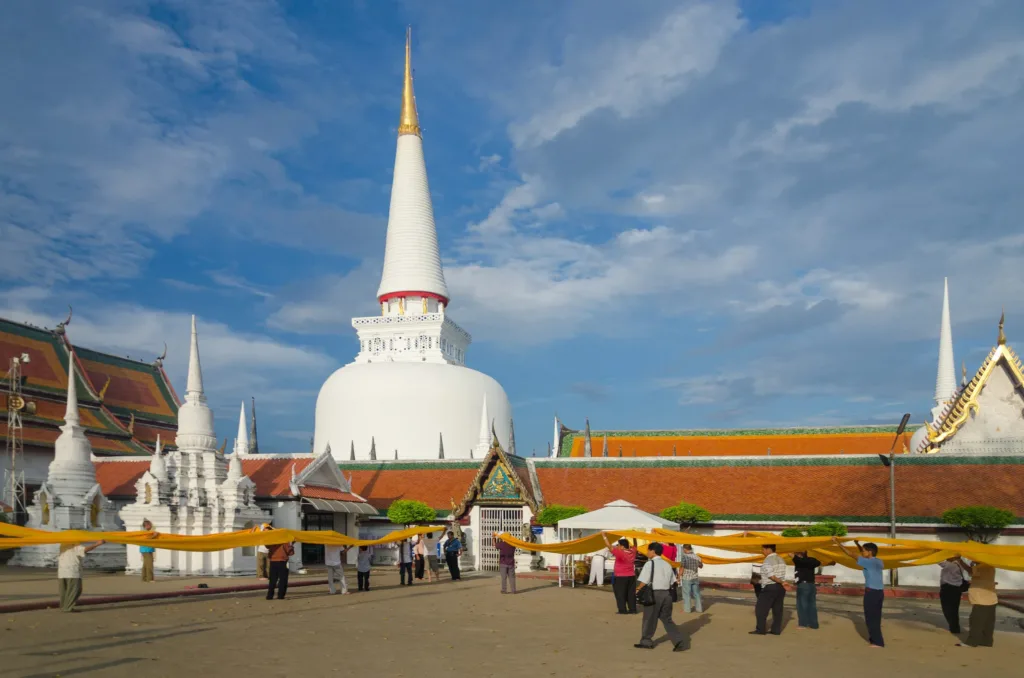
Wat Phra Mahathat Woramahawihan, known locally simply as Wat Phra That, stands on Ratchadamnoen Road in the old centre of Nakhon Si Thammarat. Formerly called Wat Phra Borommathat, it is a first-class royal monastery and for centuries has been the heart of Sri Lankan-lineage Theravada Buddhism on the Thai peninsula.Its centrepiece is the Phra Borommathat Chedi, a bell-shaped stupa in Sri Lankan style with a gold-covered spire, ringed by 153 smaller stupas. It is believed to enshrine a tooth relic of the Buddha.On 25 July 2026 UNESCO inscribed the temple as a World Cultural Heritage Site, Thailand's ninth World Heritage Site and the first in the South. Every Makha Bucha day the long-standing Hae Pha Khuen That procession carries cloth up to wrap the stupa.
Arrive Morning, before the sun gets strong
Dress modestly and remove shoes before entering halls
The robe procession draws huge crowds; mind your valuables
No data yet check before you go · Time needed 1–2 hours
Makha Bucha and long weekends
Hae Pha Khuen That (Makha Bucha day)
Wat Phra Mahathat Woramahawihan, known locally simply as "Wat Phra That", stands on Ratchadamnoen Road inside the old city walls of Nakhon Si Thammarat, on a sand ridge that legend calls Hat Sai Kaew. Once named Wat Phra Borommathat, it is a first-class royal monastery of the Woramahawihan grade. At its heart is the Phra Borommathat Chedi, a bell-shaped stupa about 55.78 metres tall with a gold-covered spire, believed to enshrine a tooth relic of the Buddha. For centuries it has been the Buddhist centre of the southern peninsula, restored by rulers of almost every era, and on 25 July 2026 it was inscribed as southern Thailand's first World Cultural Heritage Site.
Long before the stupa, this coast was a maritime trading port from around the 1st century CE, later growing into the state known as Tambralinga. Between roughly the 8th and 11th centuries it fell within the sphere of Srivijaya, and Brahmanism-Hinduism, Mahayana and Theravada Buddhism all blended here.
The chronicles of the relic and of the city, compiled in the Ayutthaya period, tell that around 311 CE Prince Thanakuman and Princess Hem Chala, together with a Sri Lankan monk, brought a tooth relic of the Buddha to Hat Sai Kaew and built a small stupa over it. The story matches the Sri Lankan text Dhatuvamsa, but no primary evidence has yet been found to confirm the temple's earliest founding.
Legend continues that King Si Thammasokarat founded the city of Nakhon Si Thammarat and built a new stupa enclosing the old one. Sources disagree on the date: some give 550 CE, some 555, and others 1176, which matches a study of the temple's layout. One theory holds that the original stupa may have been a multi-spired Srivijaya-style chedi, like those still seen on the gateway to the cloister.
Around 1227, under King Chandrabhanu, who also bore the title Si Thammasokarat, monks were invited from Sri Lanka to found a Sri Lankan-lineage order, and the stupa was rebuilt in the Sri Lankan bell shape seen today, though with a slimmer bell than its models. It is counted among the oldest large bell-shaped stupas in Southeast Asia. Around its base stand 22 elephant sculptures, which scholars see as the prototype for the elephant-ringed stupas of Sukhothai, Si Satchanalai and Kamphaeng Phet.
The tradition most closely tied to the stupa is Hae Pha Khuen That. Legend says that in 1230, as King Si Thammasokarat prepared to celebrate the stupa, a group of Buddhists sailing to worship a relic in Sri Lanka was wrecked by a storm. About ten survivors came ashore at Pak Phanang with a long white cloth painted with the life of the Buddha, a phra bot. When it was presented to the king, he had it wrapped around the stupa on the full moon of the third lunar month, and the custom has continued ever since.
The temple grew in stages during the Ayutthaya period. A layout study dates Wihan Khian to about 1376 and the cloister around the sacred precinct to about 1493. Under King Ekathotsarot the gold sheets on the spire were repaired in 1612 and 1616. King Songtham carried out a major restoration and planted a Bodhi tree from Sri Lanka, and around 1628 a square hall with a spired roof was built south of the stupa. In 1647, under King Prasat Thong, the spire collapsed and was rebuilt.
After the fall of Ayutthaya, King Taksin reached Nakhon in 1769 and had the temple restored, building Wihan Thap Kaset around the base of the stupa. In the early Rattanakosin era, between 1811 and 1839, a new Wihan Luang replaced the old hall on the same site. Under King Rama V there was a major restoration of the outer wall, Wihan Thap Kaset and Wihan Phra Song Ma, and around 1909 the Yaowarat Gate was built.
For a long time no monks lived at the temple; monks from nearby temples looked after the stupa. King Rama VI appointed a committee of monks led by Phra Khru Hem Chetiyanurak, and in 1915 invited monks from Wat Phet Charik to reside there and granted the name Wat Phra Mahathat Woramahawihan. In 1936 the Fine Arts Department registered the temple as an ancient monument in the Royal Gazette.
Restoration has continued in modern times. The Wihan Luang and ordination hall were repaired in 1972–1974, the gold lotus petals on the stupa were repaired and reinstalled in 1987, and in 1994–1995 the Fine Arts Department restored the gold spire and strengthened the stupa's core. The report on that work records about 140 kg of gold used, while some sources put the gold on the spire at several hundred kilograms, so figures still differ. Locals also call it the "shadowless stupa", believing its shadow never reaches the ground.
The road to World Heritage began when the temple joined UNESCO's Tentative List in 2012 (some sources say 2013). On 28 January 2025 the Cabinet approved the final nomination dossier, and on 25 July 2026 the 48th session of the World Heritage Committee unanimously inscribed it under criteria (ii) and (vi), as evidence of a blending of religions and art from many regions. It is Thailand's ninth World Heritage Site and its sixth cultural one.
Its living heritage is easy to see today. Around the great stupa stand about 150 smaller stupas (sources give 149 or 153), built by families to hold their ancestors' ashes, and every Makha Bucha day people from across the South still carry the phra bot cloth up to wrap the stupa; some sources say the procession is also held on Visakha Bucha.
Arrived? Check in, collect a stamp and tell others what it is like right now
Check your location first, so you do not fill in the form for nothing
Location must be on and within 0.7 km · One check-in per place per day · come back on other days to check in again
Post photos from anywhere — no need to be here · Up to 20 photos at a time · JPG / PNG / WebP · GPS location data is removed automatically
The temple is on Ratchadamnoen Road in central Nakhon Si Thammarat.
In central Nakhon Si Thammarat, Ratchadamnoen Road · Fuel
Along Ratchadamnoen Road · By distance
In town, on Ratchadamnoen Road
In town
Good
Daily, about 08:30–16:30; check before you go
Wat Phra Mahathat Woramahawihan
Answers travellers want before they go — a one-minute read
Ratchadamnoen Road, Nai Mueang, Mueang Nakhon Si Thammarat
On 25 Jul 2026, Thailand's ninth site and the first in the South
It is believed to enshrine a tooth relic of the Buddha
Every year on Makha Bucha day
Modest clothes covering shoulders and knees; remove shoes before entering halls
Best day this week: Saturday 28 Nov · Check in when you arrive to collect a stamp
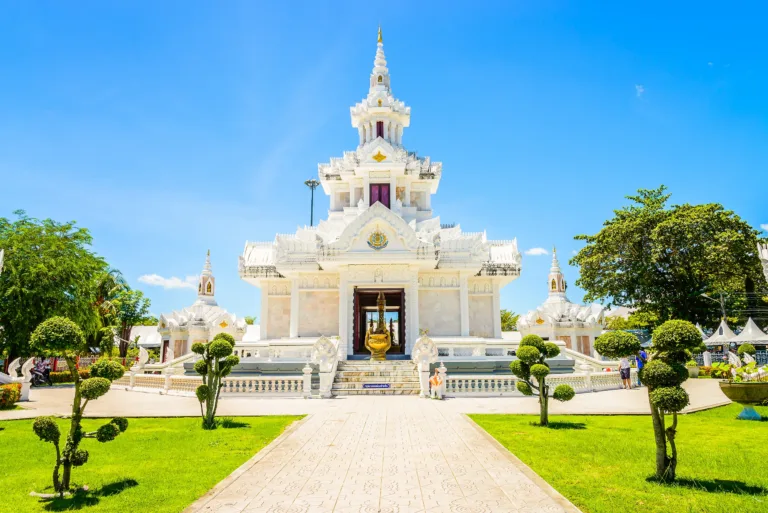 Nakhon Si Thammarat City Pillar Shrine
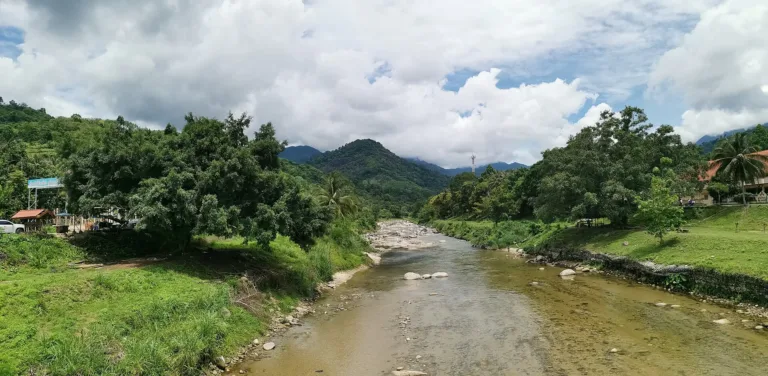 Khiri Wong Bridge
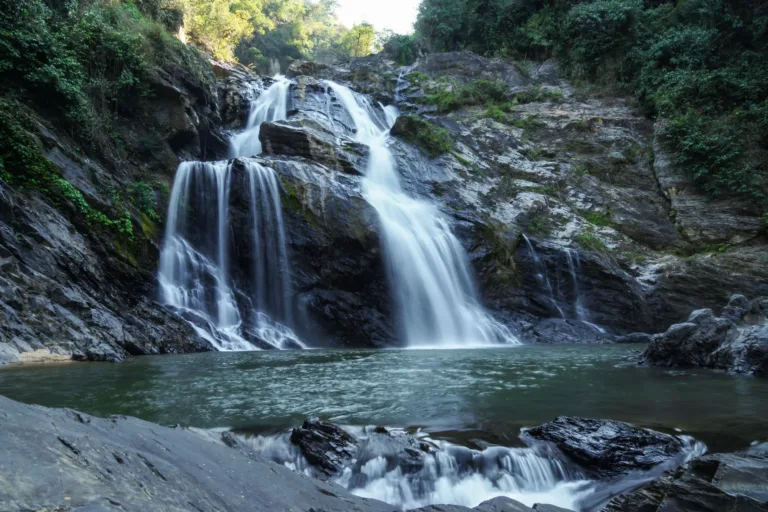 Khao Luang National Park