What to know before visiting the temple
Dress modestly · Remove shoes before entering the hall · Keep noise down in meditation areas
Daily 06:00–18:00
Morning, for good light and cooler air
7 days ahead
When to go
this week
Tap a day card to see that day’s weather, rain, haze and hourly forecast
Best time to go Daytime is over · see tomorrow
Holiday — traffic on the way up and parking fills fast; leave early
Hour by hour
Green band = hours used for the score
Best time to go Fine all day little rain through the day
Holiday — traffic on the way up and parking fills fast; leave early
Hour by hour
Green band = hours used for the score
Best time to go Fine all day little rain through the day
No warnings today — normal road and weather conditions
Hour by hour
Green band = hours used for the score
Best time to go Fine all day little rain through the day
No warnings today — normal road and weather conditions
Hour by hour
Green band = hours used for the score
Best time to go Fine all day little rain through the day · light drizzle possible at times
No warnings today — normal road and weather conditions
Hour by hour
Green band = hours used for the score
Best time to go Fine all day little rain through the day · light drizzle possible at times
No warnings today — normal road and weather conditions
Hour by hour
Green band = hours used for the score
Best time to go Fine all day little rain through the day
No warnings today — normal road and weather conditions
Hour by hour
Green band = hours used for the score
Wat Neramit Wipatsana
Wat Neramit Wipatsana sits on a hill at Moo 14, Dan Sai, Loei, about 1 km from the town centre and close to Phra That Si Song Rak. Its standout feature is a Thai-style ordination hall and chedi built entirely from laterite, designed by the temple's own monks and novices.Inside the hall, the principal image is a replica of Phra Buddha Chinnarat, and the walls are covered with murals of the Buddha's life and local Dan Sai ways of life, painted by local artists. A laterite mondop holds a wax figure of Luang Pho Maha Phan Sila Wisutthō, who founded the temple.The shady gardens include a sal tree, important in the Buddha's story. It's open daily 06:00–18:00 and an easy add-on to a visit to Phra That Si Song Rak.
- Cool, good light
- Strong sun
- Softer light
Arrive Morning, for good light and cooler air
- In front of the laterite hallLaterite walls against the skyMorning
- Inside the hallThe murals (ask before photographing)Late morning
Good to know here
It's a temple and meditation centre
- Pair it with Phra That Si Song Rak in one morning
- Take your time with the murals inside the hall
- Dress modestly
No data yet check before you go · Time needed 1 hour
Long weekends in the cool season
- Kids Open grounds to walk around
- Seniors On a hill, but you can drive up
- Dress modestly
- Remove shoes before entering the hall
- Keep noise down in meditation areas
- The laterite courtyard gets hot at midday
The story of this place
Wat Neramit Wipatsana is one of Dan Sai's younger temples. It was founded in 1978 by Phra Khru Phawana Wisutthiyan, better known as Luang Pho Maha Phan Sila Wisutthō, on a hill near Phra That Si Song Rak that had been cleared bare. Over about two decades, monks and the people of Dan Sai turned the hill into a temple with an ordination hall and chedi built entirely of laterite and murals painted by local artists. Today most visitors to Dan Sai stop here after Phra That Si Song Rak.
Read more 10 more paragraphs
Dan Sai is an old town on the route between Siam and Lan Xang. Phra That Si Song Rak, a short way from the temple, was built around 1560 to witness the alliance between Ayutthaya and King Chai Setthathirat of Lan Xang. The sanctity of this stupa is what later drew Luang Pho Maha Phan to settle in Dan Sai.
Luang Pho Maha Phan came from Surin, where he lived at Wat Champa in his home province. He told a meeting of monks that he intended to keep wandering as a dhutanga monk with no fixed home, but the assembly felt he was too old for that and asked him to settle in one place. He agreed and began looking for a suitable site.
In January 1979 he led a party of monks, novices and lay followers on a wandering pilgrimage to Phra That Si Song Rak, and decided to find a permanent site nearby. In May the same year the group moved to the hill where the temple now stands, camped under their umbrella tents and built temporary shelters before clearing the land for permanent buildings. Most sources give 1978 as the founding year, although the journey to Dan Sai is said to have taken place early the following year.
The site was national forest reserve land that villagers had cleared for fields and charcoal-burning, leaving a bare hill locally called Phu Puai. The temple was allowed to use the land on condition that it protect the forest as much as possible, so trees were replanted. The once-barren hill is shady again today, and a sal tree, important in the Buddha's story, grows in the grounds.
At first the temple was called Wat Hua Na Yung, after Ban Hua Na Yung (Moo 14), the village where it stands. Most sources say it took the name Wat Neramit Wipatsana in 2006, though one says the name changed in the founding year. It is a private Mahanikaya temple and has been granted a royal ordination boundary (wisungkhamsima).
The temple's biggest project began in 1986, when the ground was prepared for an ordination hall about 40 metres wide and 80 metres long. The Thai-style hall and the chedi are built entirely of laterite to designs by the temple's own monks and novices. The wall laterite is reported to have come from Lamphun and Prachinburi, the floor is pink granite from Loei, and the doors and windows are made of makha hardwood. Construction took 14 years and reportedly cost about 197 million baht, all from donations. Many travel sources call it the largest laterite ordination hall in Thailand.
The hall takes its inspiration from Wat Phra Si Rattana Mahathat in Phitsanulok, so the principal image is a replica of Phra Buddha Chinnarat, complete with the black-and-gold backdrop and gilded pillars of the original. The hall also houses a naga-protected Buddha, an Emerald Buddha replica and a Luang Pho To image. The outer shutters carry gold lacquer reliefs of forest scenes, and high on the building a large Dhamma wheel sits above sculptures of wandering forest monks, a nod to the forest tradition the temple grew from.
Inside, the walls are covered with murals of the Buddha's life, the Vessantara Jataka, the Ten Great Births and everyday life in Dan Sai, painted by artists from Dan Sai itself over about eight years (some accounts say eight and a half). The paintings are both Buddhist art and a record of local life.
Luang Pho Maha Phan passed away on 20 September 1997, before the hall was finished. His body is said not to have decayed, so a laterite mondop was built behind the hall to enshrine it together with a wax figure of him for devotees to venerate. His successor as abbot, Phra Khru Phawana Wisutthaphon, then led the remaining work together with monks, novices, officials, soldiers, police, merchants and Dan Sai residents until the hall was completed.
In recent years the temple has been both a meditation centre and one of Dan Sai's main sights. In 2017 the media reported the local story of a "red tree" in the grounds that survived three lightning strikes, which inspired Dan Sai girls to form a youth-guide group showing visitors around the temple. In 2024 the temple took part in the nationwide Kathina Samakkhi ceremony programme, with Phra Khru Phawana Wisutthaphon as abbot.
- 1560Phra That Si Song Rak is built nearby to witness the Ayutthaya–Lan Xang alliance
- 1978Luang Pho Maha Phan Sila Wisutthō founds the temple, first named Wat Hua Na Yung
- 1979Jan — he leads a wandering party from Surin to stay at Phra That Si Song Rak
- 1979May — the group camps on Phu Puai hill, builds temporary shelters and clears the land
- 1986Ground preparation begins for the laterite ordination hall, about 40 x 80 m
- 199720 Sep — Luang Pho Maha Phan passes away; a laterite mondop later enshrines his body and wax figure
- 2006Renamed from Wat Hua Na Yung to Wat Neramit Wipatsana
See 2 events
- 2017Media report the "red tree" struck by lightning three times; a Dan Sai youth-guide group forms
- 2024The temple joins the nationwide Kathina Samakkhi programme, with Phra Khru Phawana Wisutthaphon as abbot
Check-ins & visitor photos
Arrived? Check in, collect a stamp and tell others what it is like right now
Check your location first, so you do not fill in the form for nothing
Location must be on and within 1 km · One check-in per place per day · come back on other days to check in again
Post photos from anywhere — no need to be here · Up to 20 photos at a time · JPG / PNG / WebP · GPS location data is removed automatically
How to get there
The temple is at Moo 14, Dan Sai, Loei, on a hill about 1 km from town.
About 1 km from Dan Sai town · Fuel
Paved road up the hill from town
Daily 06:00–18:00
about 1 km from Dan Sai town
Wat Neramit Wipatsana
FAQ
Before you go: Wat Neramit Wipatsana
Answers travellers want before they go — a one-minute read
Where is Wat Neramit Wipatsana?
Moo 14, Dan Sai, Dan Sai District, Loei, about 1 km from town
What are the hours?
Daily 06:00–18:00
What's special about it?
The ordination hall and chedi are built entirely of laterite
What's the main Buddha image?
A replica of Phra Buddha Chinnarat
Who founded it?
Luang Pho Maha Phan Sila Wisutthō (Phra Khru Phawana Wisutthiyan), from 1978
Is it near Phra That Si Song Rak?
Yes, the two are easy to visit together
Nearby places
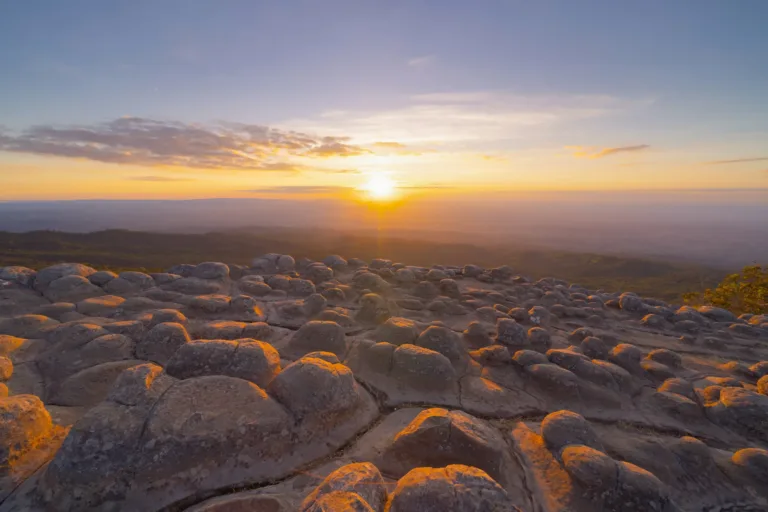 Phu Hin Rong Kla National Park
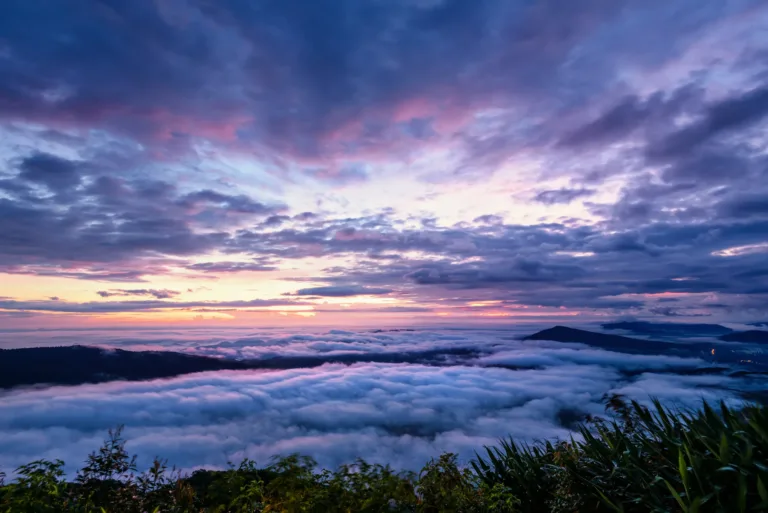 Phu Ruea National Park
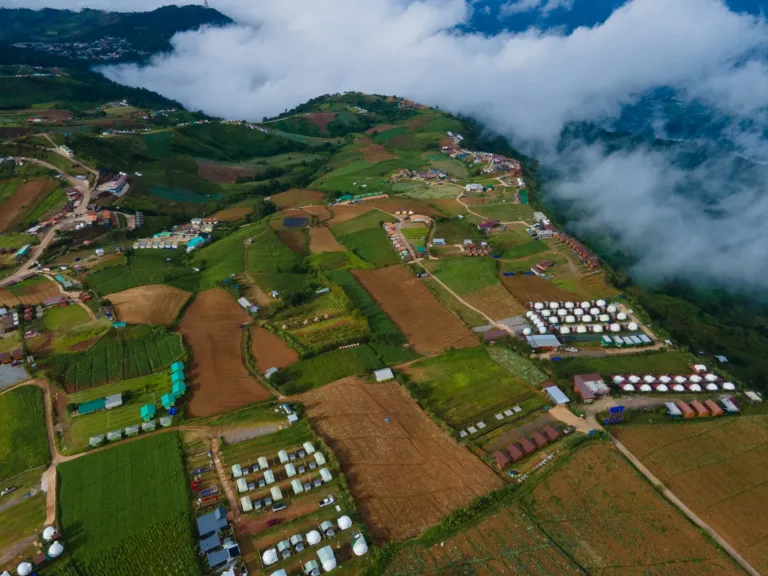 Phu Thap Boek
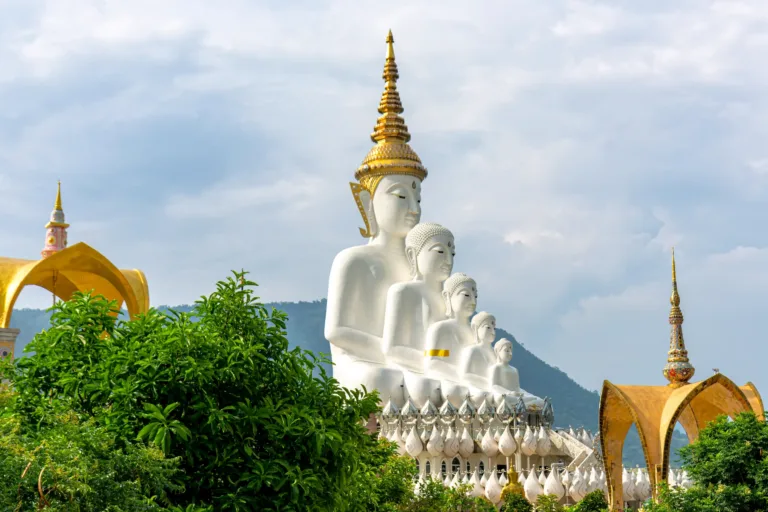 Wat Phra That Pha Son Kaew
Ready to go to Wat Neramit Wipatsana?
Best day this week: Monday 30 Nov · Check in when you arrive to collect a stamp