 01
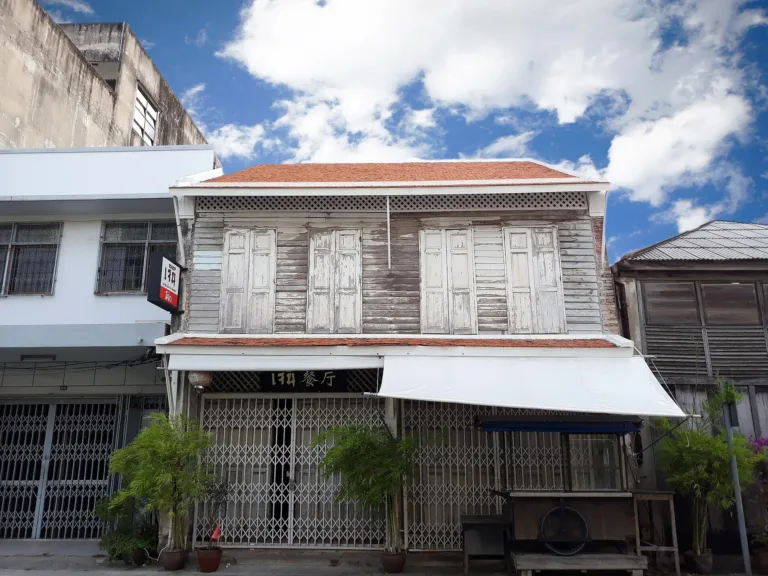
Nakhon Nai RoadChinese shophouses and Baan Nakhon Nai
Lagoon-side old town · Songkhla
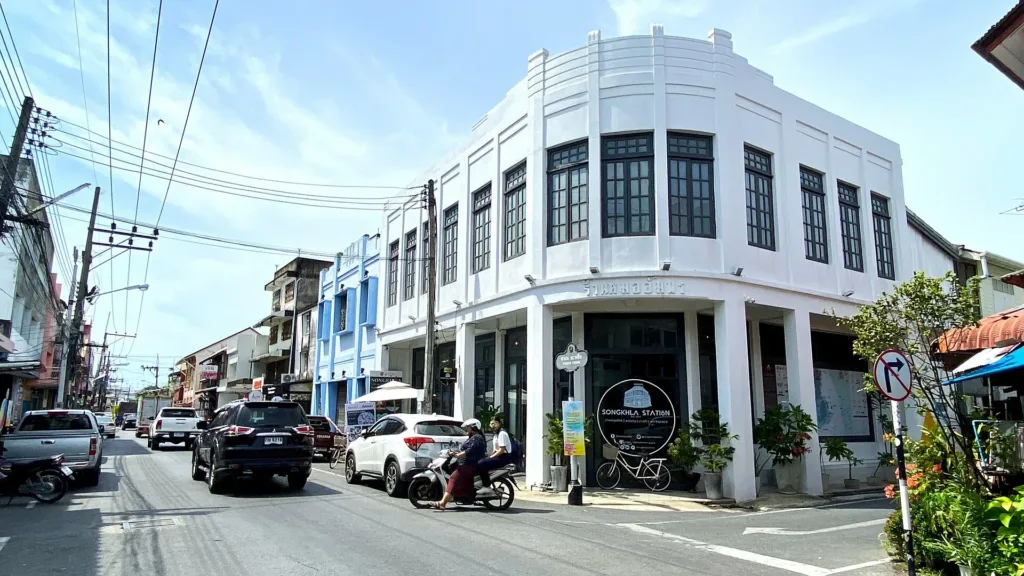
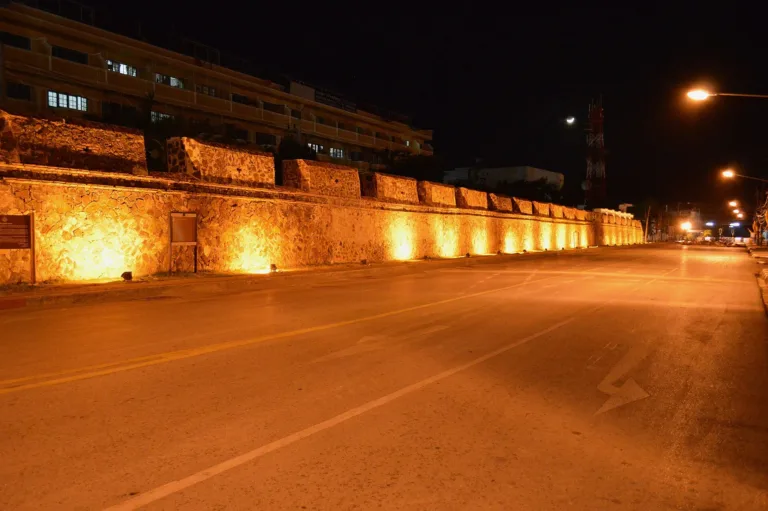
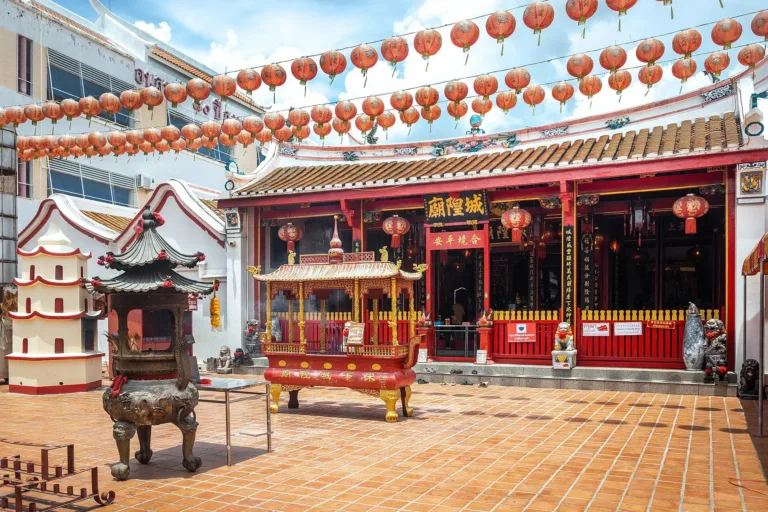
The old Bo Yang quarter on the Songkhla lagoon: Chinese and Sino-European shophouses on Nakhon Nok, Nakhon Nai and Nang Ngam roads, street art, old eateries and a Rama III-era city wall.
Holiday / event — crowded
01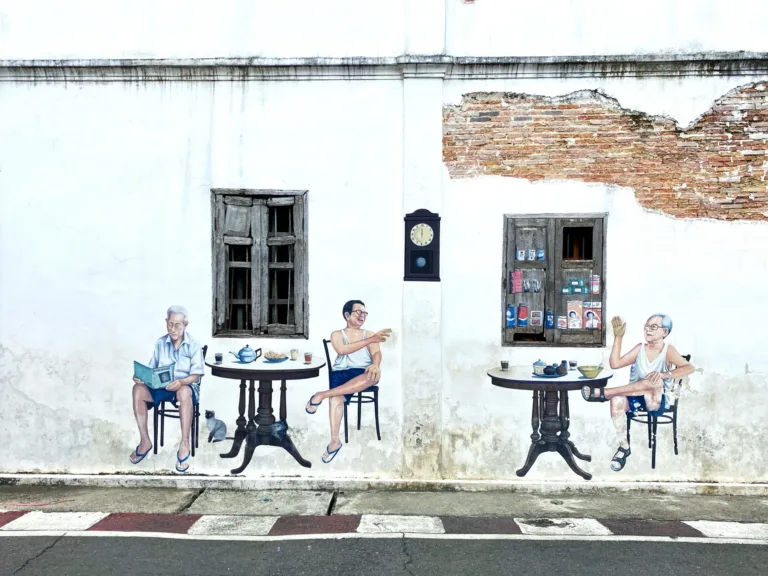 02
 03
 04
Tap a day card to see that day’s weather, rain, haze and hourly forecast
Best time to go Daytime is over · see tomorrow
Holiday — traffic on the way up and parking fills fast; leave early
Green band = hours used for the score
Best time to go Best window 12:00–19:00 Little rain · light drizzle possible at times
Rain at times — slippery roads, allow extra travel time
Holiday — traffic on the way up and parking fills fast; leave early
Green band = hours used for the score
Best time to go Best window 06:00–16:00 Little rain · light drizzle possible at times
No official warnings, but watch for: Late morning (09:00–12:00): rain ~40% · Possible thunder 17:00–18:00
Green band = hours used for the score
Best time to go Best window 14:00–19:00 Little rain · light drizzle possible at times
No warnings today — normal road and weather conditions
Green band = hours used for the score
Best time to go Best window 16:00–19:00 Little rain · light drizzle possible at times
No official warnings, but watch for: Evening (16:00–19:00): rain ~30% · Possible thunder 08:00–12:00
Green band = hours used for the score
Best time to go Best window 17:00–19:00 Little rain · light drizzle possible at times
Rain at times — slippery roads, allow extra travel time
Green band = hours used for the score
Best time to go Best window 08:00–14:00 Little rain · light drizzle possible at times
No official warnings, but watch for: Late morning (09:00–12:00): rain ~50% · Possible thunder 14:00–20:00
Green band = hours used for the score
Songkhla Old Town is the old city of Bo Yang, wedged between the Songkhla lagoon and the Gulf. Songkhla's centre moved here from Khao Daeng and Laem Son in the 19th century, and the town was laid out as a walled rectangle following Chinese planning ideas. The wall was built under Rama III and finished in 1842.Three parallel streets, Nakhon Nok, Nakhon Nai and Nang Ngam, are lined with Chinese shophouses and Sino-European buildings, with street art, cafés and long-running family eateries in the side lanes. At the lagoon end of Nakhon Nok is Hub Ho Hin, an old rice mill turned arts space.In 2024 Thailand put Songkhla and its lagoon settlements on UNESCO's Tentative List, with the Bo Yang old town as one of its key components.
Arrive Late afternoon, about two hours before sunset
Watch for traffic in the lanes and on Nakhon Nai Road
Photograph politely and don't step onto private property
No data yet check before you go · Time needed 2–4 hours
Weekend evenings
Songkhla Old Town is "Songkhla on the Bo Yang side", a strip of sand between Songkhla Lake and the Gulf of Thailand. It is the third site of Songkhla, after the port of Singora at Khao Daeng and the town at Laem Son. King Rama III ordered a city wall begun here in 1836, and the town moved over when the wall was finished in 1842. Over almost two centuries, Nakhon Nok, Nakhon Nai and Nang Ngam roads gathered Chinese shophouses, Sino-European buildings, shrines, a mosque and temples of Thai, Chinese and Muslim communities living side by side. Today Bo Yang is one of four areas Thailand put forward for the World Heritage Tentative List in 2024.
The story begins on the far side of the lake. Around the early 1600s Dato Mogol, a Muslim leader of Persian descent, brought his people to settle near Khao Daeng, in today's Singhanakhon district. The town grew into a port that foreigners called Singora and traded directly with foreign merchants; a Dutch report of about 1620 says Songkhla exported several hundred lasts of rice a year. In 1642 Sultan Sulaiman, Dato Mogol's eldest son, declared the town independent of Ayutthaya.
Singora stayed independent for about 38 years. In 1680 Ayutthaya's navy took the town under Sultan Mustafa; its walls, forts and gates were destroyed and never rebuilt. The survivors settled at the tip of the Sathing Phra sandbar near Khao Bo Sap, founding Songkhla on the Laem Son side, which at first had governors sent from the centre and came under Phatthalung and Nakhon Si Thammarat.
In 1775, under Thonburi, Yiang Sae Hao, a Chinese leader and ancestor of the Na Songkhla family, was entrusted with governing the Laem Son town, and his descendants ruled for generations. Bo Yang was gaining importance too: in 1786 the Front Palace prince, Maha Sura Singhanat, came south and marked out a city-pillar site at Ban Bo Yang, though the town itself stayed at Laem Son for decades more.
In 1836 Rama III ordered Phraya Wichian Khiri (Thian Seng) to build a new walled town at Bo Yang. The stone wall formed a rectangle about 30 sen long on the east and west and 25 sen on the north and south, with 8 forts, 10 main gates and 10 smaller ones; one gate, Chai Yut Chana, was named for a victory in 1839. When the wall was finished in 1842, Songkhla moved across the lake. Its walled rectangular plan reflects Chinese ideas of town planning.
The city pillar was raised in the fourth lunar month of the Year of the Tiger. Made of chaiyaphruek wood given by Rama III, it was celebrated with five days and nights of festivities, and Chinese-style buildings and the City Pillar Shrine were later built over it; the shrine stands on Nang Ngam Road today. Five Na Songkhla governors ruled Bo Yang in succession, from Thian Seng to Phraya Wichian Khiri (Chom), who served until 1901. Wat Don Rak, behind the governor's residence, was finished in 1854.
At first the new town had two main streets: Nakhon Nok along the lake and Nakhon Nai inside the town, and the area within the wall was a trading quarter of Chinese shophouses. A third street was later cut, known as Kao Hong (Nine Rooms) Road after the nine shophouse units it first had. In 1935 the province held a New Year and Constitution celebration with a Miss Songkhla contest; a young woman from Kao Hong Road won, and people have called it Nang Ngam (Beauty Queen) Road ever since.
Under Rama V, Songkhla became the hub of the lower south. In 1878 Phraya Sunthranurak (Net Na Songkhla) built a mansion mixing Chinese and European styles, and with the provincial reforms of 1896 Songkhla became the seat of Monthon Nakhon Si Thammarat. The mansion later served as the provincial hall until 1973, before the Fine Arts Department restored it and opened it as the Songkhla National Museum on 25 September 1982.
In 1914 the Hub Ho Hin rice mill was founded on Nakhon Nok Road at the lake's edge. Its Hokkien name means unity, harmony and prosperity, and locals called it the Red Mill because it was painted red all over. Running 24 hours on steam engines from England, it shipped rice to Malaysia and Singapore, until small mills around town drew away its paddy and it closed around 1947. The family kept the building and chimneys intact, and it won a conservation award from the Association of Siamese Architects in 2011.
The quarter has long been home to Thai, Chinese and Muslim communities. Ban Bon Mosque has been a centre of Muslim life for more than 170 years, and nearby stand the Guan Yu and Pun Thao Kong shrines, Wat Matchimawat and Wat Yang Thong; some houses still bear bomb damage from World War II. In 2010 the Cabinet approved the boundaries of the Songkhla old town area, the Fine Arts Department restored the city wall in 2011, and in 2017 a stretch of the western wall was dug up on Nakhon Nok Road. Dating of its bricks shows the original stone wall was reinforced with brick in at least two phases between the reigns of Rama III and Rama V.
In recent years residents and artists have worked to bring the old quarter back to life. Street art in the lanes was inspired by Penang; in 2016 artist Navin Rawanchaikul painted a huge mural on the former Saha Cinema, and in 2022 a night-time lighting festival lit up small lanes of the old town. Most recently, on 11 April 2024, Thailand submitted "Songkhla and its Associated Lagoon Settlements" to the World Heritage Tentative List, with the Bo Yang old town as one of four components alongside the fort town of Singora at Khao Daeng and Laem Son.
Arrived? Check in, collect a stamp and tell others what it is like right now
Check your location first, so you do not fill in the form for nothing
Location must be on and within 0.9 km · One check-in per place per day · come back on other days to check in again
Post photos from anywhere — no need to be here · Up to 20 photos at a time · JPG / PNG / WebP · GPS location data is removed automatically
The old quarter is in Songkhla town, between the lagoon and the main town roads.
Drive into Songkhla and park near the city gate · Fuel
Around Songkhla town · By distance
Town streets, narrow in places
Near the city gate or on the street
In Songkhla town
Good
Always open (public streets; shops and museums keep their own hours)
Songkhla Old Town
Answers travellers want before they go — a one-minute read
In Songkhla town by the lagoon, around Nakhon Nok, Nakhon Nai and Nang Ngam roads
No, it's public streets; some museums may charge
Late afternoon into the evening, when the light is nice and restaurants are open
The Bo Yang city wall was finished in 1842, under King Rama III
It's been on the Tentative List since 2024 but isn't inscribed yet
Best day this week: Tuesday 1 Dec · Check in when you arrive to collect a stamp
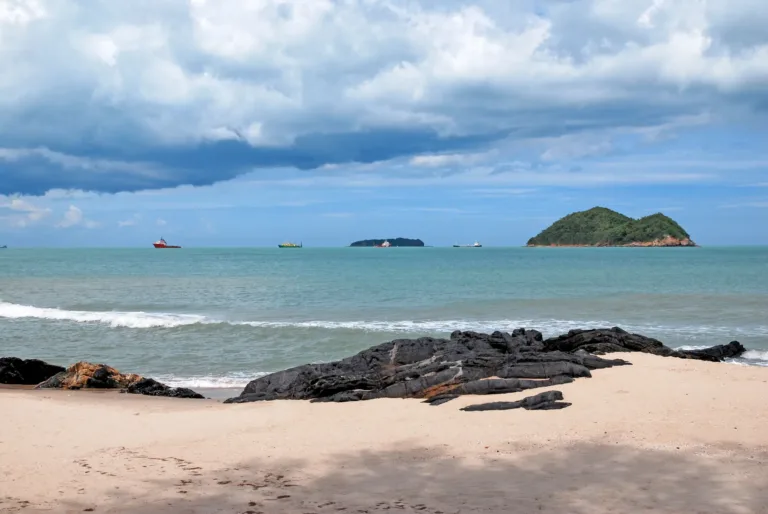 Samila Beach
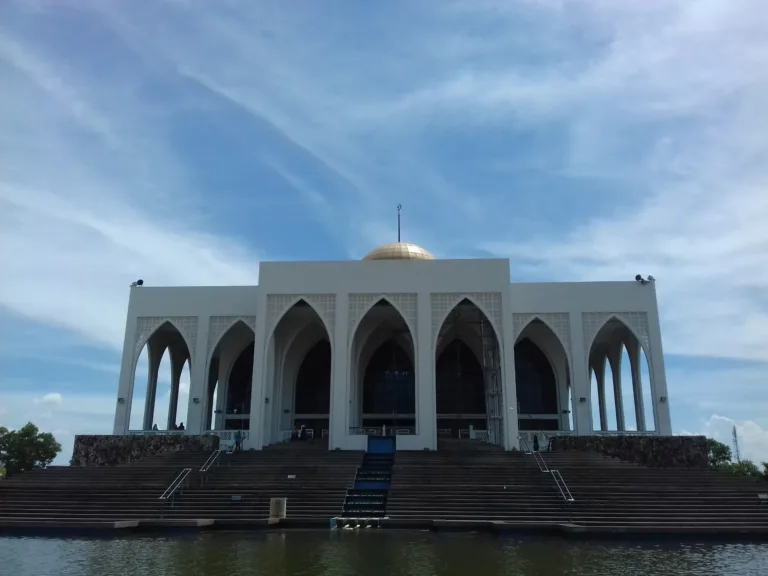 Songkhla Central Mosque
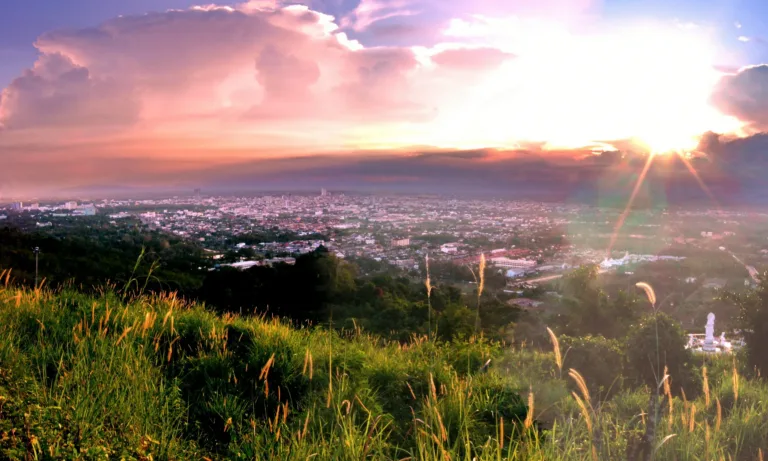 Hat Yai Municipal Park (Khao Kho Hong)