 01
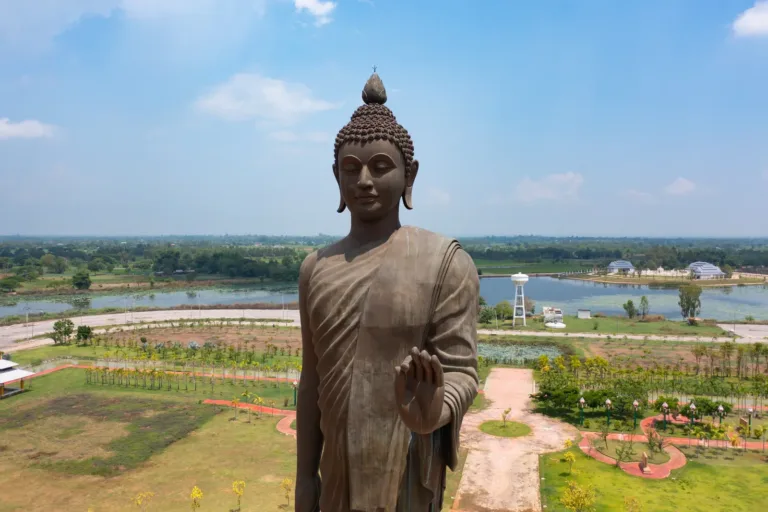
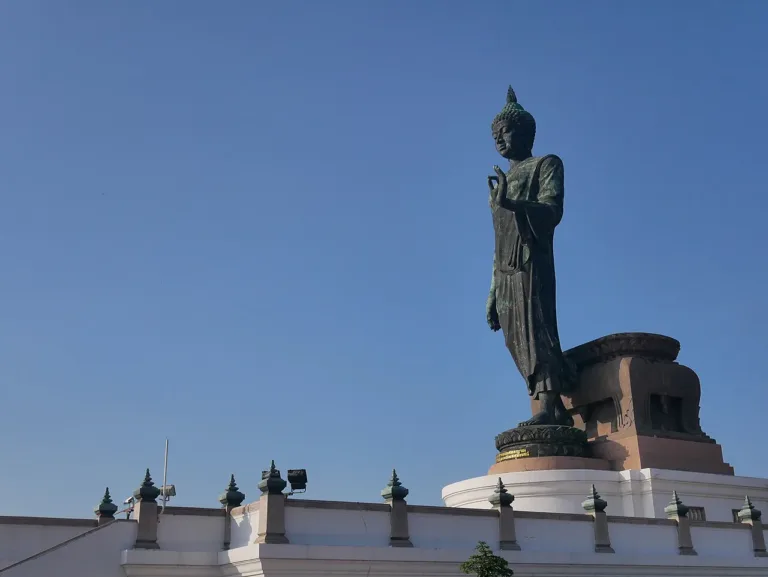
Phra Si Sakkaya Thotsaphon YanBronze walking Buddha, 15.875 m tall, 17,543 kg
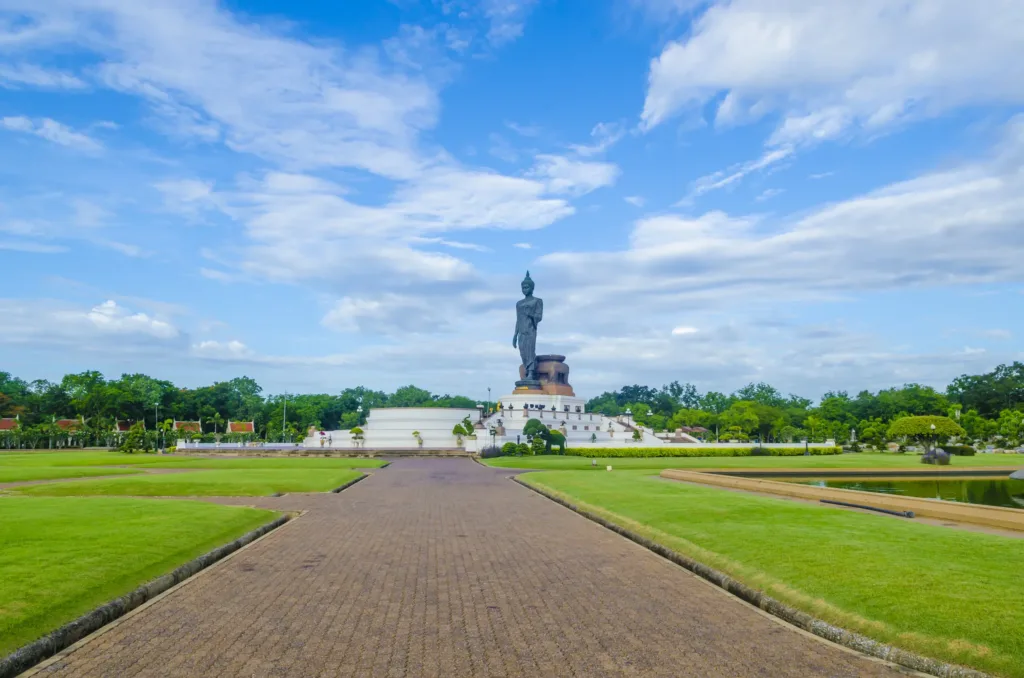
Thailand's national Buddhist park for the 25th Buddhist century
Phutthamonthon in Nakhon Pathom is Thailand's 2,500-rai national Buddhist park, built for the 25th Buddhist century, with a 15.875 m walking Buddha and the Tipitaka on 1,418 marble slabs. Free entry.
Holiday / event — crowded
Dress modestly and remove shoes indoors · Be respectful around the Buddha image · Do not climb the image base or the replicas · Do not litter in the ponds and moat
Daily 05:00–19:00
17:30
Visakha Bucha, Makha Bucha, Asalha Bucha
01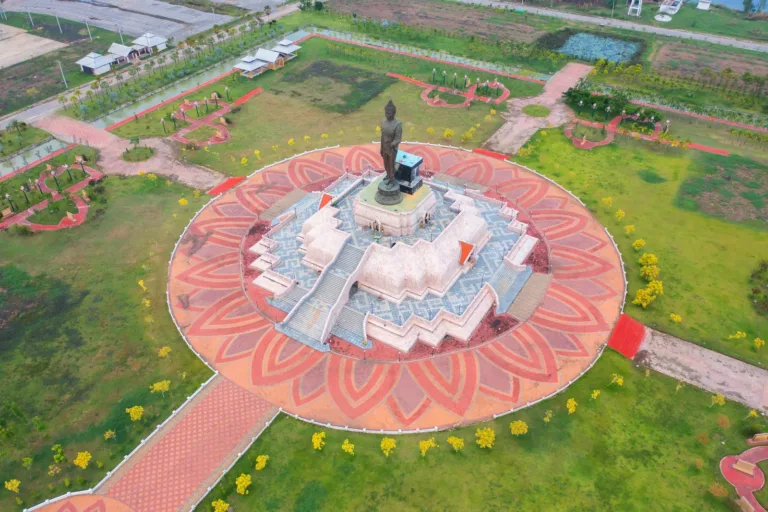 02
Tap a day card to see that day’s weather, rain, haze and hourly forecast
Best time to go Daytime is over · see tomorrow
Holiday — traffic on the way up and parking fills fast; leave early
Green band = hours used for the score
Best time to go Fine all day little rain through the day
Holiday — traffic on the way up and parking fills fast; leave early
Green band = hours used for the score
Best time to go Fine all day little rain through the day
No warnings today — normal road and weather conditions
Green band = hours used for the score
Best time to go Fine all day little rain through the day
No warnings today — normal road and weather conditions
Green band = hours used for the score
Best time to go Fine all day little rain through the day
No official warnings, but watch for: PM2.5 dust 26 · Hot (Afternoon) feels like 38°C
Green band = hours used for the score
Best time to go Fine all day little rain through the day · light drizzle possible at times
No official warnings, but watch for: Hot (Afternoon) feels like 39°C
Green band = hours used for the score
Best time to go Fine all day little rain through the day · light drizzle possible at times
No warnings today — normal road and weather conditions
Green band = hours used for the score
Phutthamonthon, 25/25 Moo 6, Phutthamonthon Sai 4 Rd, Salaya, Phutthamonthon, Nakhon Pathom.
Arrive 17:30
Photos from Wikimedia Commons and contributors · tap a photo to see its credit
Strong midday sun
Joggers and cyclists — drive slowly
Free · Time needed 2–3 hours
Major holy days and weekend evenings
Visakha Bucha, Makha Bucha, Asalha Bucha
Tap a month on the wheel to see weather, rain, haze and crowds from 10 years of records
Best time · Nov–Feb for cool walks and cycling · come 05:00–08:00 or 16:00–19:00 · big candle processions on Visakha Bucha
Watch out · Mar–May midday is very hot on the shadeless lawns · major holy-day evenings bring crowds and traffic
Nov by the records 23–31°C · avg rain 92 mm (11 rainy days) · clear 5 days · avg PM2.5 28
Phutthamonthon, in Salaya, Phutthamonthon district, Nakhon Pathom, is Thailand's national Buddhist park, set on about 2,500 rai. It began as a project of Field Marshal Plaek Phibunsongkhram's government to mark the 25th Buddhist century in 1957, but political upheaval stalled it for more than twenty years, and the bronze walking Buddha was only completed and formally opened on 21 December 1982. Today it is run by the Office of National Buddhism and holds the great Buddha image, the marble Tipitaka hall, replicas of the Buddhist holy sites and shady gardens where people come to pray, stroll and cycle.
The idea goes back to 1944, when the Phibun government proposed "Phutthaburimonthon", a Buddhist city at Khao Phra Phutthabat in Saraburi, alongside a plan to move the capital to Phetchabun. On 24 July 1944 the House of Representatives rejected the decree, Phibun resigned as prime minister and the project lapsed.
After Phibun returned to power in 1948, the idea was revived in 1952 to prepare for the 2,500th anniversary of Buddhism in 1957. Researchers note the year also mattered to the government because it marked 25 years of constitutional rule. In 1954 the Cabinet renamed the project "Phutthamonthon", moved it to about 2,500 rai beside Khlong Maha Sawat in the Nakhon Chai Si and Sam Phran area, and changed the main image from a seated to a walking Buddha.
The site plan, drawn by a subcommittee chaired by Col. Luang Burakam Kowit, set out a perfect square with a 7,500 m perimeter wall and a 60 m moat. The image itself went to Professor Silpa Bhirasri after a public design contest drew little interest. Inspired by the Sukhothai walking Buddha in the gallery of Wat Benchamabophit, he made a 2.14 m model, enlarged to 3.50 m for display at the celebrations.
On 29 July 1955 King Bhumibol presided over the foundation rite on the spot where the image now stands. The same year Road No. 4 was cut, the first motor road into Salaya. The land came from many sources: 135 rai bought by the King, more than 2.76 million baht in public donations, a gift from Burmese Prime Minister U Nu, and sales of amulets, stamps and medals. In all, 2,205 rai were bought or donated and the remaining 294 rai or so were expropriated.
The 25th Buddhist century celebration was held at Sanam Luang on 12–18 May 1957, with a replica of Phutthamonthon and the 3.50 m walking Buddha at its centre. A few months later, the coup of 16 September 1957 halted the project, and for years little happened beyond buying land. On 1 May 1959 the Cabinet named the Department of Religious Affairs as the holder of the title deed.
In 1978 General Kriangsak Chamanan's government revived the project, placed it under the Department of Religious Affairs in the Ministry of Education and secured royal patronage. The image was scaled down from the original, far larger plan to 15.875 m. Work on it began in June 1980: it was cast in bronze in 137 pieces, assembled on an iron frame on the base, and weighs 17,543 kg.
On 18 May 1981 King Bhumibol and Queen Sirikit poured the bronze for the crown and raised the head onto the image, and on 29 November 1981 the King named it "Phra Si Sakkaya Thotsaphon Yan Prathan Phutthamonthon Suthat". The Supreme Patriarch's residence was finished the same year, and on 21 December 1982 Princess Maha Chakri Sirindhorn, on the King's behalf, presided over the consecration and opened the park during Rattanakosin's bicentenary, under General Prem Tinsulanonda's government.
Other buildings followed: the drum tower and guest monks' quarters in 1983 and the assembly hall in 1986. The marble Tipitaka was initiated by the abbot of Wat Paknam Phasi Charoen for the King's 60th birthday, with the Pali canon engraved on 1,418 marble slabs, each 1.10 m wide and 2 m tall. Its great hall on a 9-rai site was built from 1989 to 1998 and opened on 18 January 1999 by the then Crown Prince on the King's behalf.
The grounds also hold replicas of the four holy sites: the Buddha's birth, Enlightenment, First Sermon and Parinibbana. About 600 rai are water and some 1,562 rai are lawns and gardens, including the Veluvana bamboo garden with about 100 kinds of bamboo, a mango garden with about 100 varieties and a herb garden with over 200 species. On 2–3 June 2023 the park hosted the international chanting and alms-giving of the 18th International Vesak celebration.
The great flood of 2011 left the 2,500 rai under water for about two months and badly damaged the assembly hall. In 2012 the Supreme Sangha Council approved a public recovery fund, and restoration of the hall began in February 2014; during the work, around 20,000 25th-century amulets stored for over 50 years were found in old wooden crates.
More recently, the Central Administrative Court on 19 March 2025 and the Supreme Administrative Court on 5 March 2026 ruled that the Phutthamonthon land is central religious property, not state land. In July 2026 the Cabinet merged the park's office with Buddhist outreach into a new Division for the Promotion of Phutthamonthon and the Propagation of Buddhism, to keep it a centre for Buddhism.
Arrived? Check in, collect a stamp and tell others what it is like right now
Check your location first, so you do not fill in the form for nothing
Location must be on and within 1 km · One check-in per place per day · come back on other days to check in again
Post photos from anywhere — no need to be here · Up to 20 photos at a time · JPG / PNG / WebP · GPS location data is removed automatically
Good paved roads; wide inner roads you can drive around
Phetkasem–Phutthamonthon Sai 4 or Borommaratchachonnani Rd · Fuel
Salaya station (Southern Line), then taxi or songthaew · By distance
Lines 101, 509, 79 via Phutthamonthon Sai 2 · Per line
Phetkasem Rd (Rt 4) past Bang Khae, right onto Phutthamonthon Sai 4 Rd for about 8 km; the entrance is on the left. Or via Borommaratchachonnani Rd (Rt 338)
Several car parks inside the park
Phutthamonthon Sai 4 Rd
Good
Daily 05:00–19:00
about 30 km from Bangkok (Taling Chan)
Phutthamonthon
Approx. nightly price for 2 adults (next week) · final price depends on your dates
Answers travellers want before they go — a one-minute read
Thailand's national Buddhist park, 2,500 rai, built for the 25th Buddhist century (1957) and run by the Office of National Buddhism
15.875 m (2,500 krabiat), bronze, 17,543 kg, cast in 137 pieces and designed by Silpa Bhirasri
Daily 05:00–19:00; free
The Tipitaka engraved on 1,418 marble slabs
Princess Maha Chakri Sirindhorn presided over the consecration and opening on 21 December 1982
Phetkasem Rd to Phutthamonthon Sai 4 Rd (about 8 km), or train to Salaya then a taxi
Best day this week: Monday 30 Nov · Check in when you arrive to collect a stamp
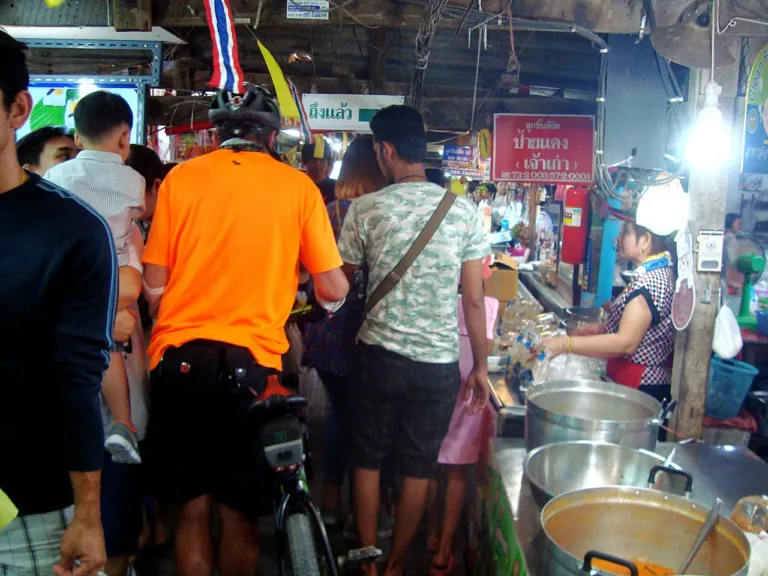 Don Wai Floating Market
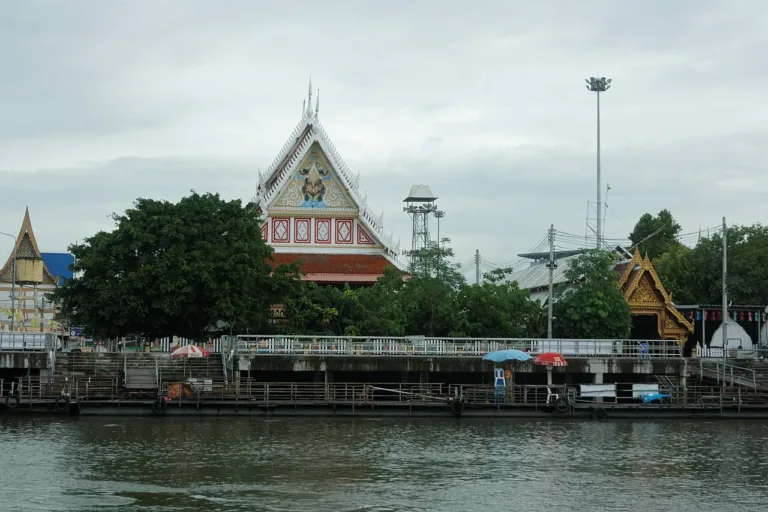 Wat Rai Khing
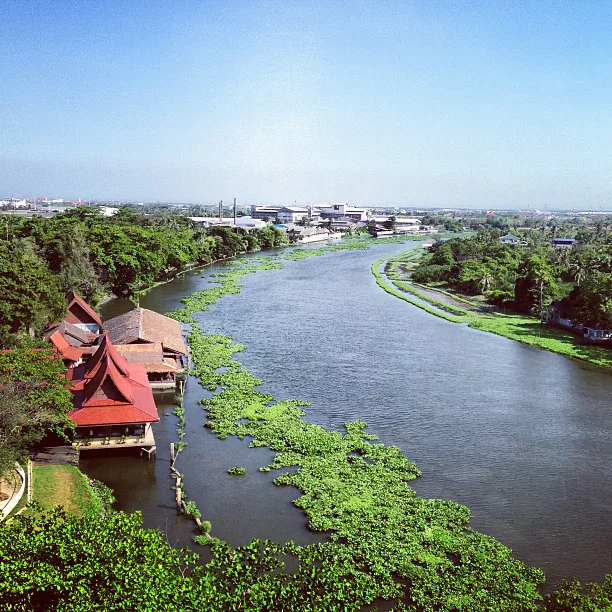 Suan Sampran
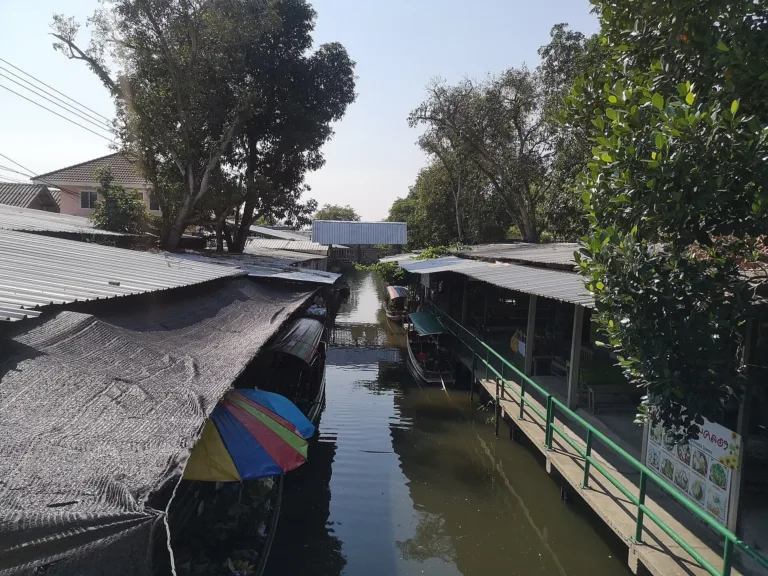 Khlong Lat Mayom Floating Market