 01
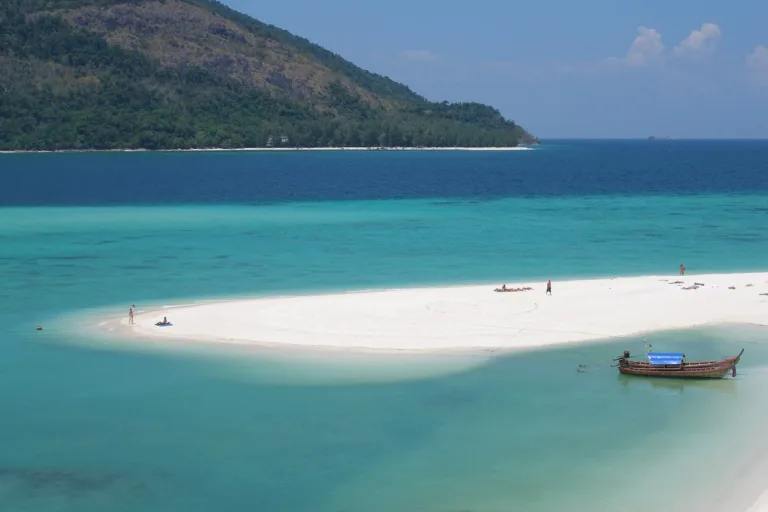
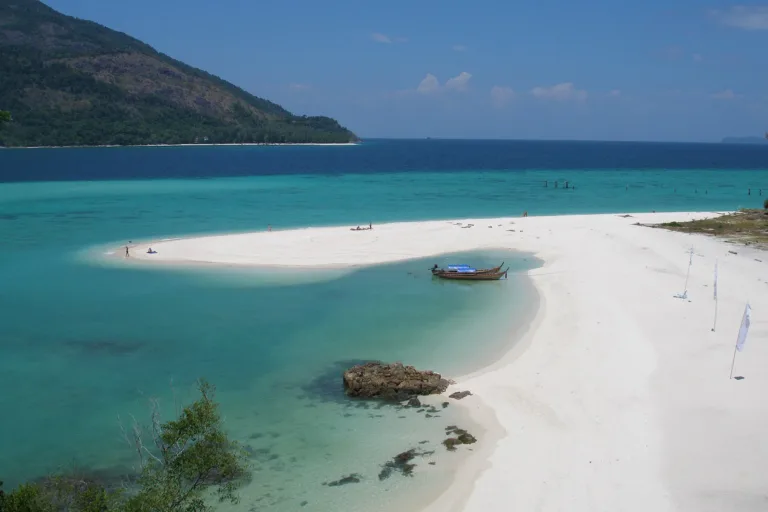
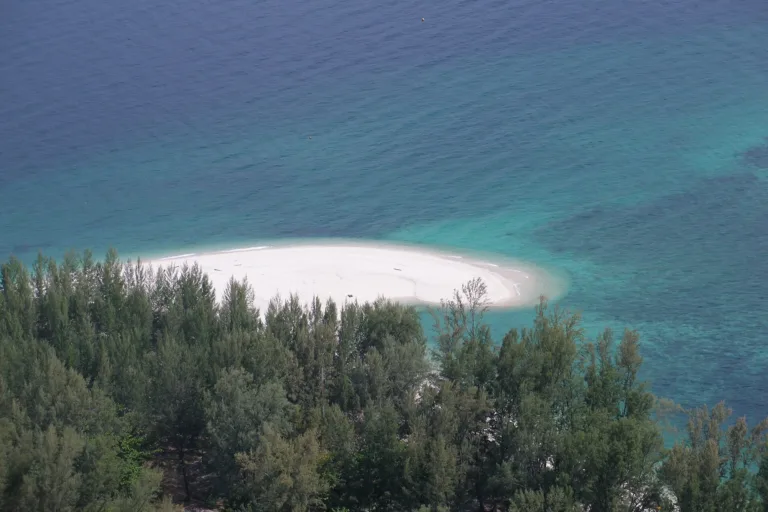
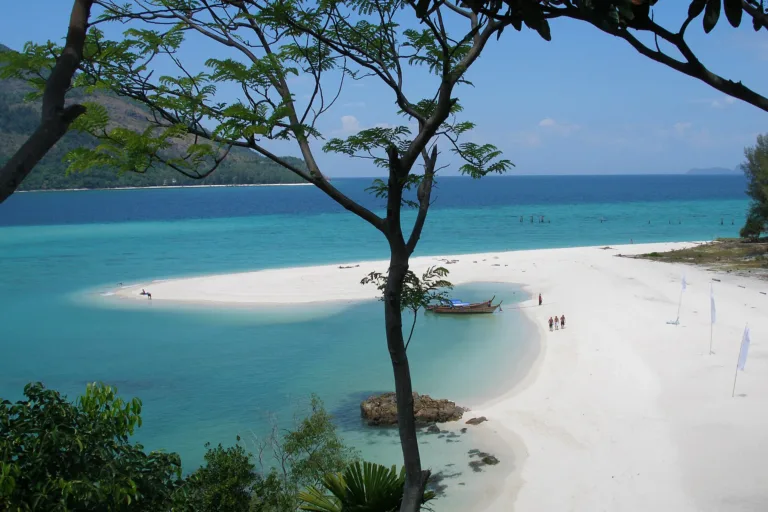
Pattaya BeachLong curved southern beach lined with restaurants and resorts; main boat landing
Southernmost Andaman · Home of the Urak Lawoi
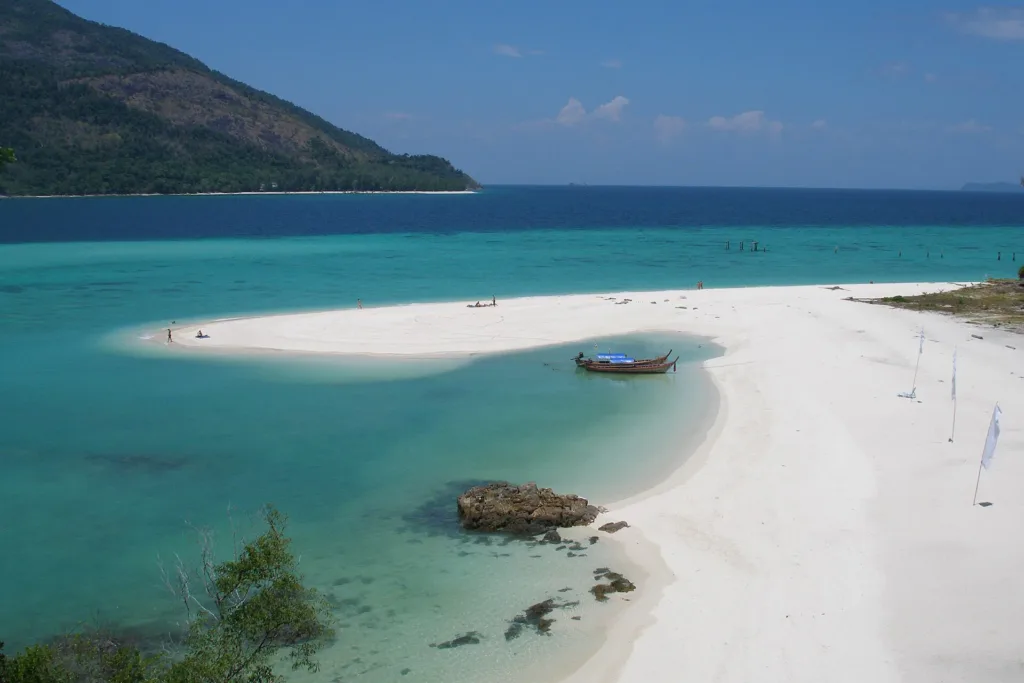
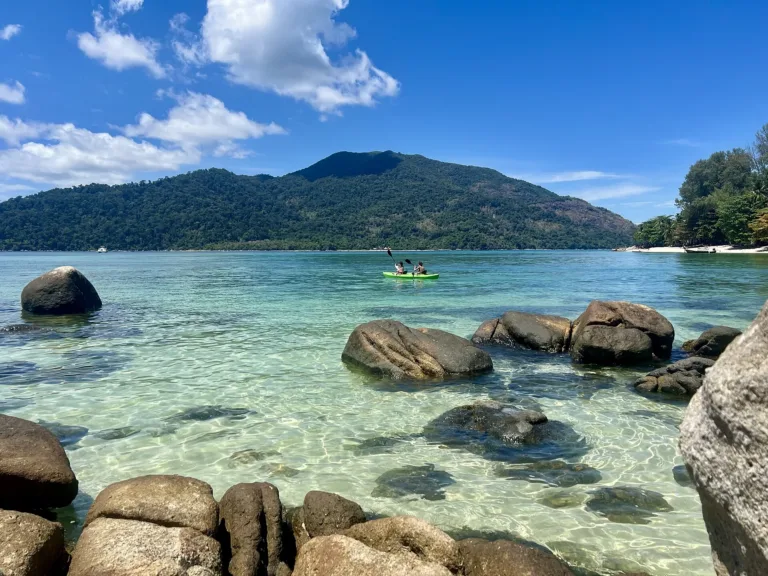
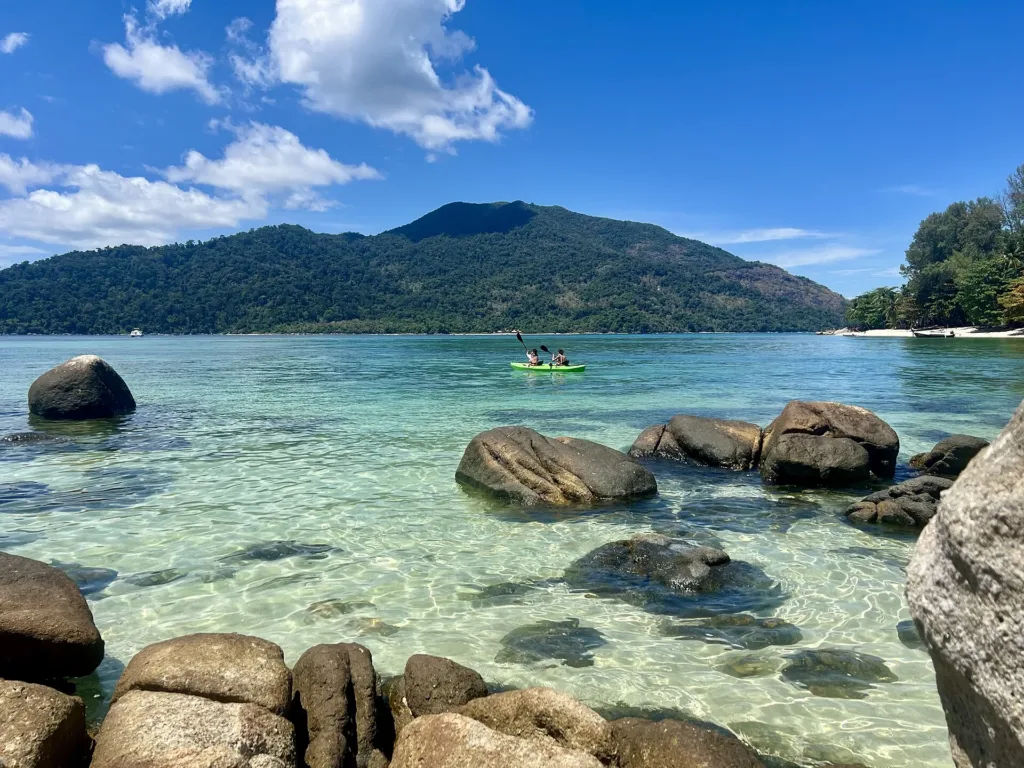
A small white-sand island at the southern tip of Thailand's Andaman Sea, home of the Urak Lawoi sea people, with clear water and reefs near the Malaysian border.
Holiday / event — crowded · Late morning (09:00–12:00): rain ~23%
Jan – Mar
May – Jun, Aug – Nov
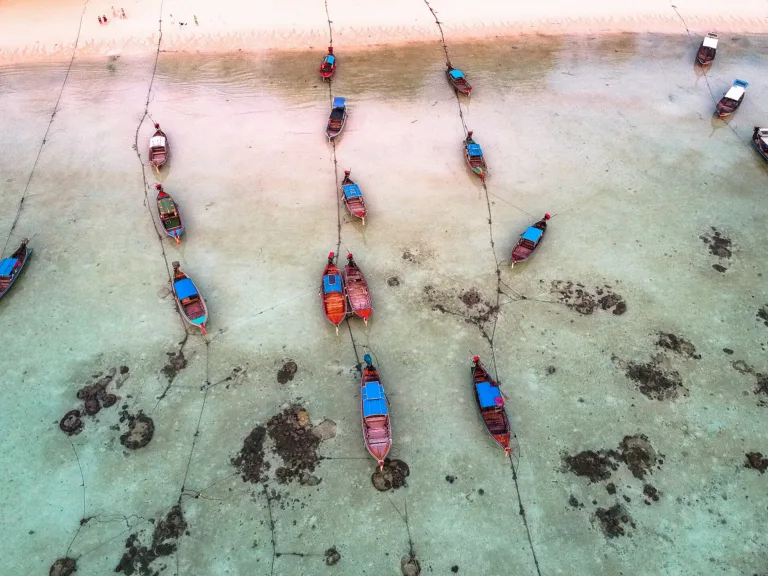
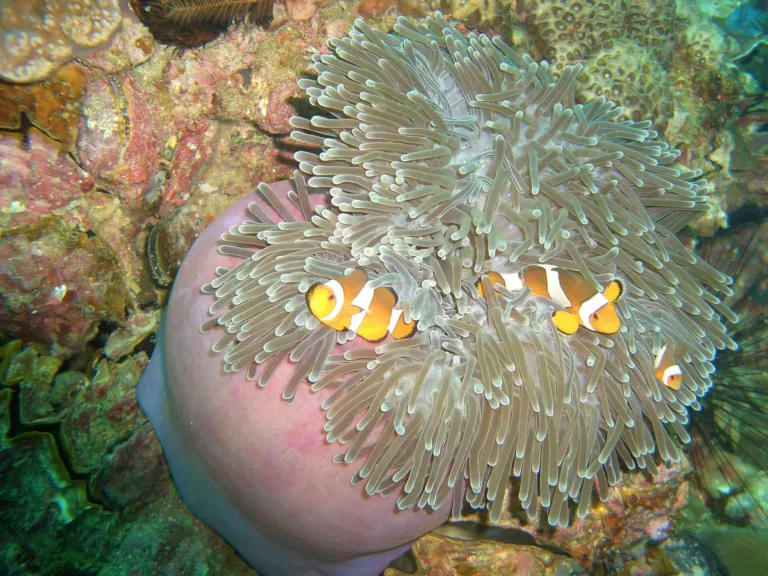
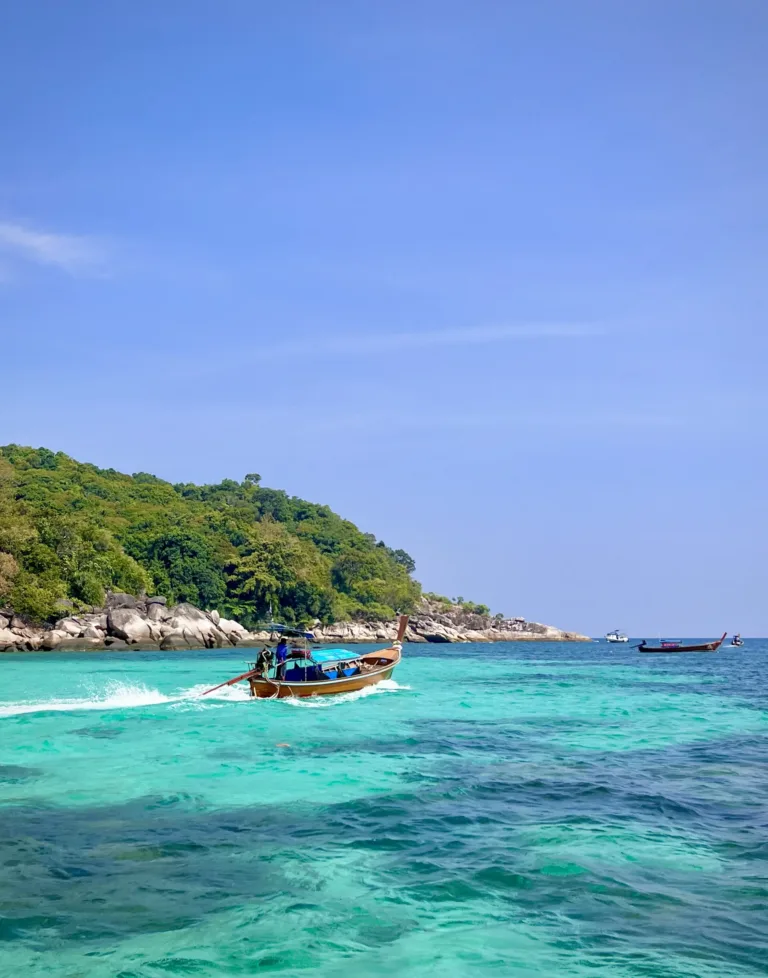
Watch for longtails near the beach; do not step on or touch coral; do not feed fish
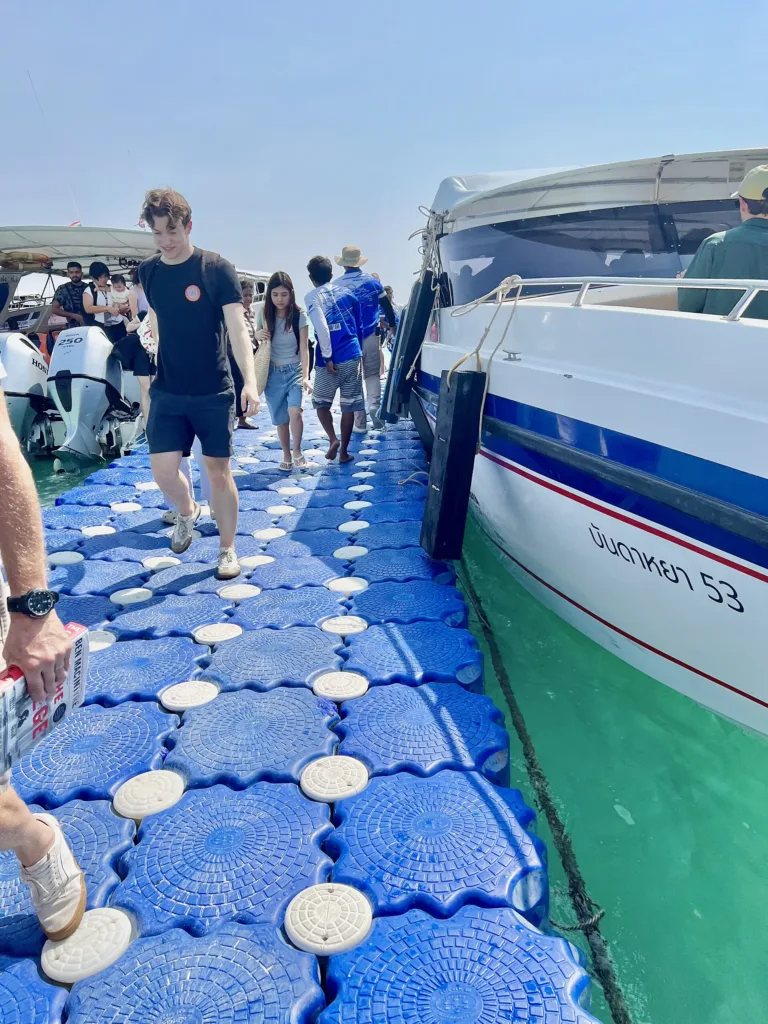
Speedboat — Pak Bara–Lipe
01 02
 03
 04
 05
 06
Tap a day card to see that day’s weather, rain, haze and hourly forecast
Best time to go Best window 09:00–19:00 Little rain · light drizzle possible at times
Holiday — traffic on the way up and parking fills fast; leave early
Green band = hours used for the score
Best time to go Best window 14:00–19:00 Little rain · light drizzle possible at times
Heavy rain, about 43 mm — watch for flooding and slippery roads
Rain at times — slippery roads, allow extra travel time
Holiday — traffic on the way up and parking fills fast; leave early
Green band = hours used for the score
Best time to go Best window 07:00–09:00 Little rain · light drizzle possible at times
Rain at times — slippery roads, allow extra travel time
Holiday — traffic on the way up and parking fills fast; leave early
Green band = hours used for the score
Best time to go Best window 14:00–19:00 Little rain · light drizzle possible at times
No warnings today — normal road and weather conditions
Green band = hours used for the score
Best time to go Fine all day little rain through the day · light drizzle possible at times
No warnings today — normal road and weather conditions
Green band = hours used for the score
Best time to go Best window 08:00–19:00 Little rain · light drizzle possible at times
No warnings today — normal road and weather conditions
Green band = hours used for the score
Best time to go Best window 14:00–19:00 Little rain · light drizzle possible at times
No warnings today — normal road and weather conditions
Green band = hours used for the score
Scored from cloud cover at every level and tonight’s moonlight — the darker the sky, the clearer the Milky Way · tap another night below for the next 7 nights
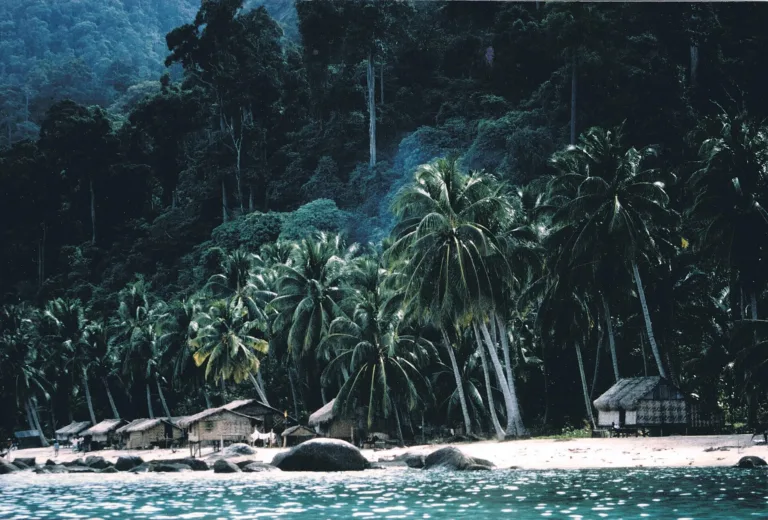
Ko Lipe is a small island in Satun's Adang–Rawi archipelago, inside Tarutao National Park, known for clear water, white sand and snorkelling, and as the long-time home of the Urak Lawoi sea people.
Arrive Reach Pak Bara at least 30–60 minutes before the morning boat
Photos from Wikimedia Commons and contributors · full credits inClassic page
Adults 40 THB · Car 0 THB · Time needed 2–4 nights
Dec–Jan, Chinese New Year and April
| Tarutao National Park fee | 40 ฿/person |
| Tarutao National Park fee | 200 ฿/person |
| Environmental fee (estimate, check again) | 20 ฿/person |
| Speedboat Pak Bara–Lipe return (estimate) | 1,200 ฿/person |
| Longtail island/snorkel trip (estimate) optional | 500 ฿/person |
| Shuttle from ferry to beach optional | 50 ฿/person |
Cash matters; ATMs on Walking Street charge fees; larger shops take transfer/cards · Prices may change by season — check with the venue
Urak Lawoi Loi Ruea boat-floating, full moon of the 6th and 11th lunar months
Ko Lipe health station · Tourist Police 1155 · Emergency 1669 (serious cases go by boat to Satun)
Tap a month on the wheel to see weather, rain, haze and crowds from 10 years of records
Best time · Nov–Apr: calm sea, clear water, all ferry routes running
Watch out · Mid-Jun to mid-Oct monsoon: rough sea, only Pak Bara speedboats, some days cancelled
Oct by the records 26–29°C · avg rain 261 mm (27 rainy days) · clear 0 days · avg PM2.5 5
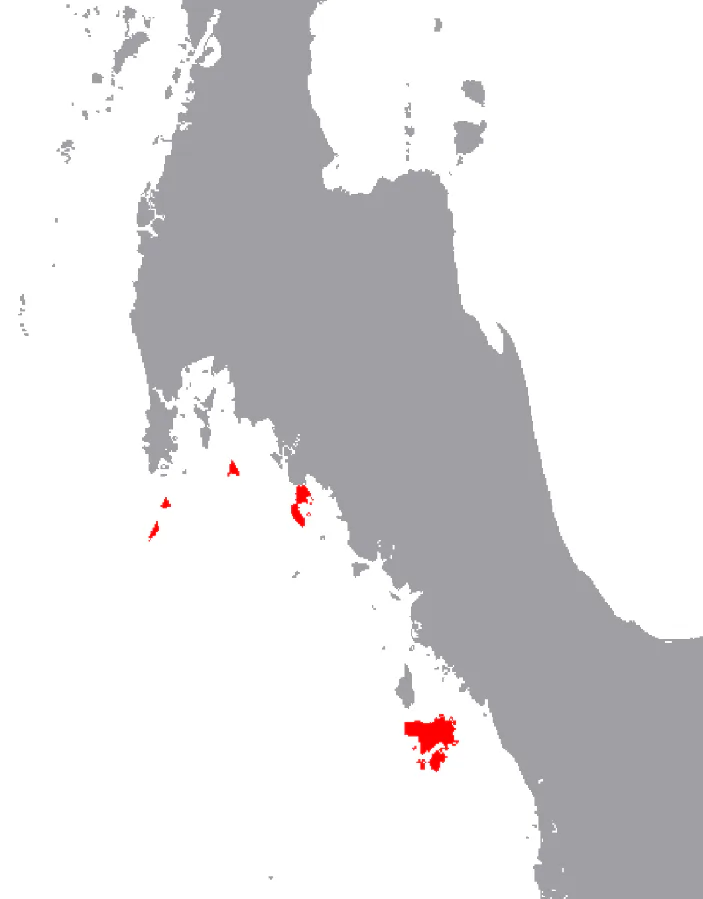
Ko Lipe is a small island in the Adang–Rawi archipelago in the southern Andaman Sea, Satun province, near the Malaysian border, just south of Ko Adang and Ko Rawi and about 50 km from Ko Tarutao. It covers about 1,875 rai (about 2 km²) and is officially Moo 7, Ko Sarai subdistrict, Mueang Satun. The main beaches are Pattaya, Sunrise (Hat Chao Le) and Sunset (Hat Pramong).
There are two explanations for the name. The Sirindhorn Anthropology Centre's community wiki says "Lipe" is Urak Lawoi for "sheet of paper", describing the flat island with no high hills; English Wikipedia says it is a corruption of the Malay Pulau Nipis, "thin island".
Lipe's "Pattaya" Beach has nothing to do with the city of Pattaya. Thai Island Quest, citing We Love Koh Lipe, says it comes from the Urak Lawoi word "patay", meaning beach, as in Patay Daya (the southern beach); Sunset Beach was Patay Panyak.
The original inhabitants are the Urak Lawoi ("sea people"), one of the Andaman sea-nomad groups, who The Active (Thai PBS) says have lived in these waters for over 150 years. In the 1897–1906 decade Tok Kiri, a Muslim from Aceh, arrived with about four companions, married an Urak Lawoi woman and settled on Lipe. The first Urak Lawoi group, from Ko Lanta, chose the island for its flat land and resources on land and sea, and about ten more families followed.
The Tok Kiri story is oral tradition. Jacob de Groot (Journal of International Studies, Prince of Songkla University, 2011) notes that it places the clan founder's origin in Aceh, then in the Dutch East Indies, four to five generations ago, and that the Urak Lawoi began settling permanently in the 1940s. Thai Island Quest relates that Tok Kiri married twice: his first wife died of illness on Ko Bulon, and he then married an Urak Lawoi woman named Mi-ah on Ko Lanta Yai. It says he died in 1949 from a snake bite, without citing a source for that year.
Their arrival is tied to border-making. Around 1909, when British-ruled Malaya wanted these islands, the Satun governor Phraya Phumi Natphakdi asked Tok Kiri to bring more sea people from Ko Sire (Phuket) and Ko Lanta (Krabi) to show the area was Siamese. Siam and Britain signed their boundary treaty on 10 March 1909, and recorded accounts have the islanders answering, "We live in Siam." Sarakadee says Tok Kiri was the ancestor of the Hantalay family; later the Ban Ko Adang school was founded, today Ban Ko Lipe School.
During World War II, after Japanese troops landed on Phuket, more sea people from Ko Lanta and Ko Sire moved to Lipe. They spread across the Adang–Rawi islands and moved seasonal camps, called "bakhat", with the monsoons to fish.
Nearby Ko Tarutao has its own history tied to these waters. In 1938 the Corrections Department opened a penal colony there for common and political prisoners from two failed revolts. During World War II, with supplies from the mainland cut off, some prisoners and guards turned to raiding merchant ships in the Strait of Malacca and became notorious pirates. Around 1946 British naval forces cleared them out, and the colony later closed.
After the 1954 Land Code, Sarakadee says only 41 sea people registered possession claims (S.K.1), though many lived on the island. In 1967 someone collected their S.K.1 papers promising to obtain N.S.3 certificates; most villagers could not read, and the 19 resulting N.S.3 plots ended up in the names of only a few people. One plot recorded as 50 rai on its 1955 S.K.1 became over 81 rai on its 1974 N.S.3, and some plots overlap the school (founded 1958) and health station.
In 1974 the state declared Tarutao National Park, including the Adang–Rawi islands. The Urak Lawoi were pressed to move to Lipe alone, with only the Telok Puya and Telok Jongan communities on Ko Adang allowed to stay. The park took land they had planted with fruit trees, calling it abandoned, and its rules sharply cut seasonal bakhat camps.
Supin Wongbusarakum's study (UNESCO/UNDP, 2007) records that before the park the Urak Lawoi lived in 16 villages and 37 camps, reduced to a few villages afterwards; through the 1980s most were relocated to Lipe. In 1998 two villages on Ko Adang, Telok Puya and Telok Jongan, were allowed to stay on condition that no new structures be built; each now has about 15 houses.
Tourism began very small. Figures cited from Wongbusarakum show an average of just 184 foreign visitors a year from 1982 to 1991. In 1984 an Urak Lawoi village headman opened the first "resort" on Patay Panyak (Sunset Beach): seven huts and one shared toilet. Early tourism was nature-based, with sea people running guesthouses and bungalows; by the late 2000s there were more than 100 resorts on the island.
As tourism grew, beachfront land soared in value. Between 1997 and 2017 title holders pushed sea people inland, 200–800 m from the shore; there were at least 30 eviction suits, and in 2004 a court ruled one group of villagers trespassers. After the 2004 tsunami investors leased or bought more land, turning the Pattaya Beach (Pata Daya) area into a tourist zone.
Thai PBS (Decode, July 2023) reports villagers' accounts that the person who collected the S.K.1 papers was the then Ko Sarai subdistrict headman, who had N.S.3 titles issued in his family's name; villagers also say more than ten families were tricked into selling, and some investors drove down beachfront prices by claiming the park would seize the land anyway. Thai Island Quest relates that in 1998 the head of a sea-people family building bungalows on their own land was arrested and briefly jailed in Satun; the family spent about 500,000 baht in legal costs before winning. Thai PBS says Lipe suffered less in the 2004 tsunami than other places, which drew investors in from about 2005 to 2014.
On the policy side, a cabinet resolution of 2 June 2010 called for restoring the sea people's way of life. In 2019 Tarutao National Park asked the Department of Lands to revoke 40 title plots, about 222 rai, it considered improperly issued; Thai Post reported one document that grew from 50 to 100 rai. In November 2020 agencies signed an agreement to push for a law and protected cultural zones for sea people, alongside a sea-people kinship gathering on Lipe from 27 to 29 November 2020.
The dispute flared again in 2021–2022: private parties sued sea people in two cases, which the courts dismissed. On 25 November 2022 a fence blocked the path to the school, forcing pupils and parents onto detours and making national news. The government set up two committees, including a fact-finding panel chaired by Pol Gen Surachate Hakparn. The Active reports 34 sea-people plots overlapping the park, 24 overlapping private land and 268 without title documents.
After the school-path fence, the Satun governor convened a meeting on 2 December 2022, and Urak Lawoi representatives vowed to stay at the blockade until a court ruled. On 22 January 2023 Pol Gen Surachate Hakparn ordered the park to file criminal charges against two encroachers after an inspection of N.S.3 plot 11 found two points inside the park, and ordered surveys of eight more points in the roughly 80-rai disputed area; the Chumchon Thai Foundation says the plot's original S.K.1 claimed only 31 rai. Later in 2023 the fence was removed, and villagers pooled about 700,000 baht to buy land for a public path behind the school to the beach. English Wikipedia cites a 2022 report that 125 families, about half the community, had lost legal title to their land.
A new hope for the sea people is the Protection and Promotion of Ethnic Groups' Way of Life Act B.E. 2568, Thailand's first law on ethnic groups, published in the Royal Gazette on 18 September 2025 and in force from 19 September 2025. Urak Lawoi representatives told THE STANDARD they hope it will bring secure housing and land.
Population figures vary: English Wikipedia gives 1,210 in 2012; The Active counts 6 communities, 261 households and 1,105 people on Lipe plus 2 communities, 48 households and 144 people on Ko Adang; Dailynews in 2026 reported 1,387 registered residents in 702 households; and the community wiki estimates about 1,800, over 1,200 of them Urak Lawoi.
Living costs are high relative to income. The Active says households average about 10,000 baht a month, while electricity runs 2,500–3,000 baht, tap water sells at 100–200 baht a unit, drinking water costs about three times the mainland price, a hospital trip to Satun needs 6,000–10,000 baht, and the single state school only goes to grade 9.
Ko Lipe draws about 150,000–200,000 visitors a year according to Dailynews, worth over 7,000 million baht a year according to The Active, but generates 10–11 tonnes of new waste a day, with over 3,000 tonnes piled up last year; the Ko Sarai council spends over 7 million baht a year shipping it to the mainland. In the dry season wells run dry and villagers ferry water from Ko Adang; in the rains floodwater contaminates the wells.
The Urak Lawoi's most important ritual is "Loi Ruea" (boat floating), held twice a year on the full moon of the 6th and 11th lunar months, simultaneously on Ko Lanta, Ko Sire and Ko Lipe, using boats of rakam wood to honour ancestors and cast off misfortune. Other rites such as Puya Punyu (honouring sea turtles) and Puya Lawoi are no longer continued, but rammana drumming and rong ngeng dance survive, increasingly as stage performances.
In the high season (roughly October–June) ferries and speedboats run from Pak Bara, Ko Lanta, Phi Phi, Trang and Langkawi in Malaysia (about 90 minutes); in the monsoon, mid-June to mid-October, only speedboats from Pak Bara operate. Visitors pay a national park fee and an environmental fee on arrival.
Arrived? Check in, collect a stamp and tell others what it is like right now
Check your location first, so you do not fill in the form for nothing
Location must be on and within 3 km · One check-in per place per day · come back on other days to check in again
Post photos from anywhere — no need to be here · Up to 20 photos at a time · JPG / PNG / WebP · GPS location data is removed automatically
Drive to La-ngu via Highway 416, then on to Pak Bara pier
Pak Bara–Lipe · 1,200–1,600 baht return (estimate)
Ko Lanta–Lipe (high season) · 1,500–2,000 baht (estimate)
Langkawi (Malaysia)–Lipe, mid-Oct to mid-May · Check with operator
Hat Yai–Pak Bara · 150–250 baht (estimate)
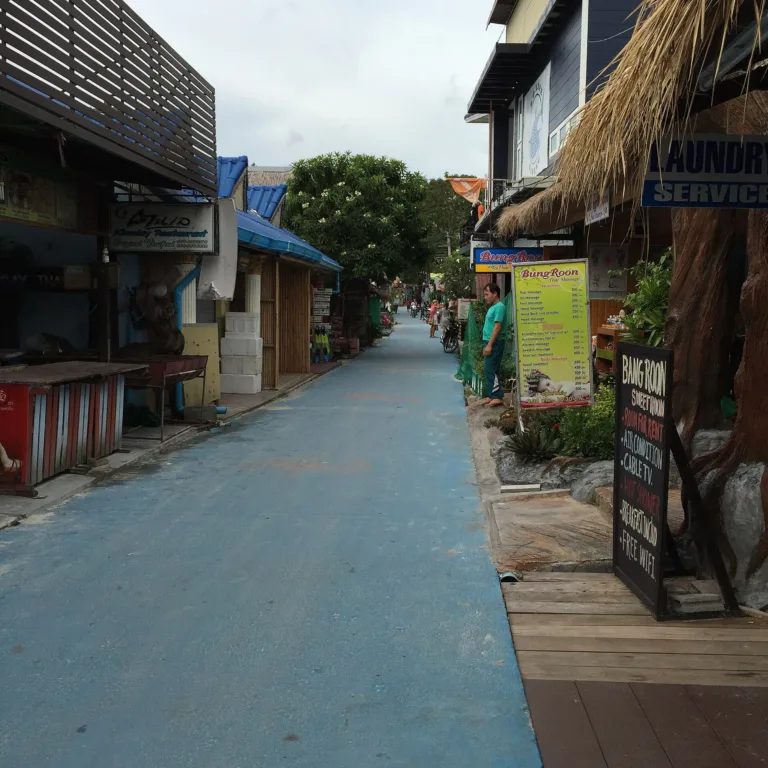
No car roads on the island; walk or take a motorbike taxi
Overnight parking at private lots around Pak Bara pier (daily rate)
Petrol stations in La-ngu before Pak Bara
4G across the island, patchy on outer islands
24 hours (most shops open until about 22:00–23:00)
around 70 km fromPak Bara pier, La-ngu
Ko Lipe
200 THB
Approx. nightly price for 2 adults (next week) · final price depends on your dates
Answers travellers want before they go — a one-minute read
Yes, the Tarutao National Park fee and an environmental fee are paid on arrival; rates may change, so check before travelling
Yes, speedboats run from Pak Bara, but some days are cancelled for rough seas
Yes, on Walking Street, but bring cash too
Yes in high season, clearing immigration on the island
Best day this week: Tuesday 27 Oct · Check in when you arrive to collect a stamp