 01
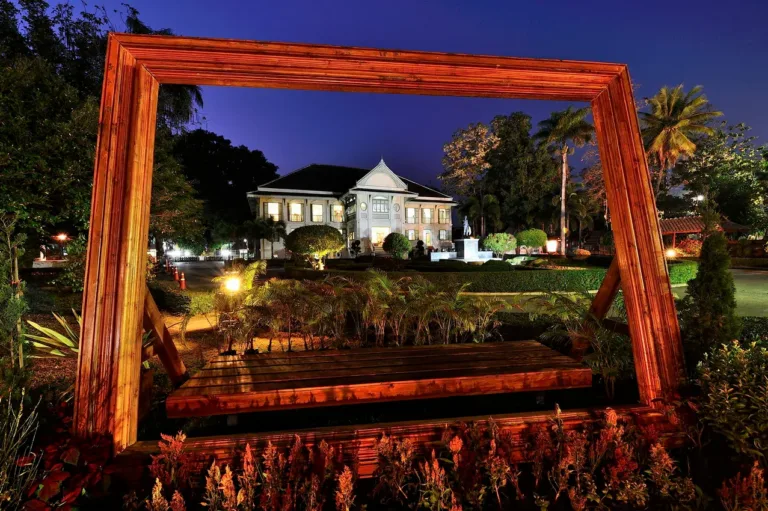
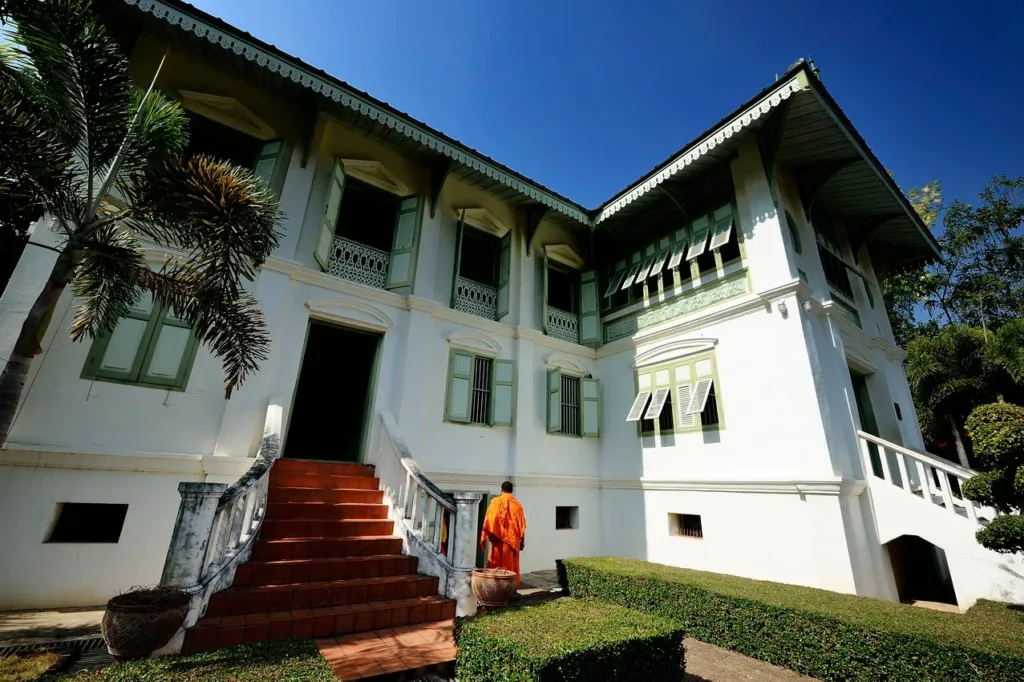
The prince's mansionTwo storeys with 72 doors and windows and fretwork gables and eaves
Teak mansion museum · Old Phrae
The teak mansion of Phrae's last ruling prince, built in 1892 and now a free museum, with 72 doors and windows and underground cells you can visit.
Holiday / event — crowded
01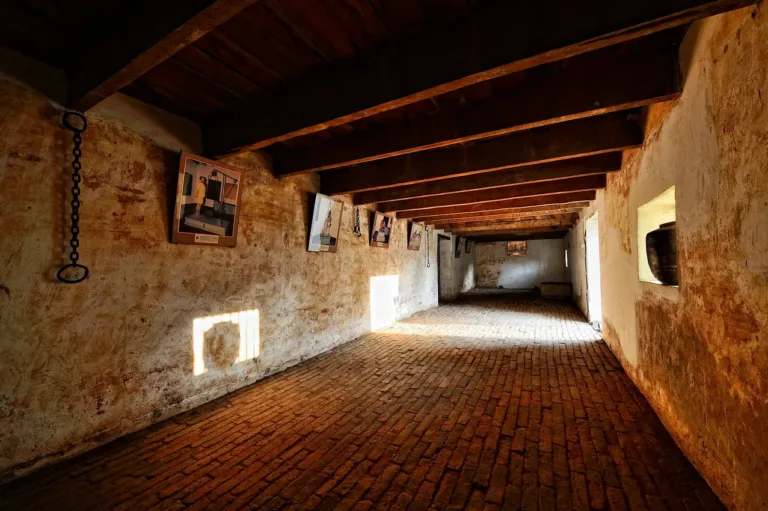 02
Tap a day card to see that day’s weather, rain, haze and hourly forecast
Best time to go Daytime is over · see tomorrow
Holiday — traffic on the way up and parking fills fast; leave early
Green band = hours used for the score
Best time to go Fine all day little rain through the day
Holiday — traffic on the way up and parking fills fast; leave early
Green band = hours used for the score
Best time to go Fine all day little rain through the day
No warnings today — normal road and weather conditions
Green band = hours used for the score
Best time to go Fine all day little rain through the day
No warnings today — normal road and weather conditions
Green band = hours used for the score
Best time to go Fine all day little rain through the day
No warnings today — normal road and weather conditions
Green band = hours used for the score
Best time to go Fine all day little rain through the day
No warnings today — normal road and weather conditions
Green band = hours used for the score
Best time to go Fine all day little rain through the day
No warnings today — normal road and weather conditions
Green band = hours used for the score
Khum Chao Luang Mueang Phrae stands on Khum Doem Road in Nai Wiang, in the heart of Phrae. Built in 1892, it was the residence of Chao Phiriya Thepphawong, the last ruling prince of Phrae.The two-storey mansion has 72 doors and windows in all, with fretwork on the gables and eaves. Beneath it are brick cells once used to hold prisoners, and you can head down to see them.Today it's the Phrae city museum, covering local history, traditions and the story of Phrae's princes. Entry is free and a visit takes about 45–60 minutes; Wat Luang is close by.
Arrive 09:00, before tour groups fill the cells
Low ceilings, dim light and uneven brick floors; skip them if you're claustrophobic
Large groups must send a request letter in advance
Free · Time needed 45–60 minutes
Weekends 10:00–14:00
Khum Chao Luang Mueang Phrae was the residence of Chao Phiriya Thepphawong, the last ruling prince of Phrae. Standing on Khum Doem Road in the heart of the old town and built around 1892, it blends Lanna and Western styles in the fashion of King Chulalongkorn's reign. The mansion has witnessed every turning point in Phrae's modern history: the age of the hereditary princes, the 1902 Shan (Ngiao) Rebellion that drove its owner into exile for good, long decades as a barracks and then the governor's residence, and finally its rebirth as the Phrae city museum.
Chao Phiriya Thepphawong ruled Phrae while Siam was drawing the northern principalities under Bangkok's control. Sources differ slightly on the construction dates: some say 1889–1892, but most give 1892. The prince built the new Western-style mansion both as his home and as a place to receive visiting guests. Some historians see it as a statement of rank and authority as much as modernity, much like the residences of the rulers of Nan.
The mansion has two storeys of plastered brick under a hipped roof, originally covered with wooden shingles and later with tiles. Its gables, eaves and outer walls are trimmed with fretwork in floral, geometric and European-influenced patterns, in what is often called the gingerbread style, and it has 72 doors and windows in all. Remarkably, it has no piles: its posts rest on massive hardwood logs such as teak and padauk, with the ground floor raised about two metres, and it has stood for well over a century.
The brick rooms beneath the house are what most visitors talk about. Local tradition says the dark central room held slaves or retainers guilty of serious offences, while the side rooms with light openings held those guilty of minor ones. Sources do not agree, however. The Sirindhorn Anthropology Centre's museum database calls the underfloor prison a local story. Another account cites a 1901 letter to the Ministry of Interior saying Phrae's old jail was cramped, so the prince paid 637 baht of his own money for a new one, and suggests the lower rooms may have housed servants or stored coin. Others think the rooms were most likely used as cells after the rebellion.
The event that sealed the mansion's fate came at dawn on 25 July 1902, when about 40 Shan (Ngiao) fighters entered Phrae, seizing the police station, post office, jail and government offices and taking around 40,000 baht from the treasury. Many Siamese officials were killed, including Phraya Chaiyaboon, the town's commissioner. Chao Phiriya Thepphawong, then about 66, was confronted by rebel leaders at his mansion, and the town's nobility were pressed to cooperate.
In mid-August provincial police from Phichai retook Phrae, and on 20 August Chao Phraya Surasak Montri arrived with troops from Bangkok. His investigation accused the prince of having supported the rebels. At the end of September the prince was removed from office and fled to Luang Prabang, then under French rule. Phrae never had a ruling prince again and was absorbed fully into Siam's central administration.
Chao Phiriya Thepphawong never returned to his mansion. He was welcomed by the Luang Prabang court, later lived at Sam Neua, and died in exile; several Thai sources give 1909, while others say around 1912. His role in the rebellion is still debated. The popular account holds that he was forced to sign the rebels' proclamation, while later scholarship shows how his image has been retold as both "rebel" and "hero" of Phrae.
After the prince's flight the mansion stood empty for a time, then housed Chao Phraya Surasak Montri's troops and a cavalry unit sent from Bangkok. In the reign of King Vajiravudh, a school known locally as the "stable school" stood on the site of the old stables; the museum describes it as the forerunner of Phiriyalai School, which received its royal name in 1914 in memory of the prince who had started schooling in Phrae.
The mansion then served for decades as the residence of the commissioner and later the provincial governor, and as a royal lodging on visits to Phrae: King Prajadhipok and Queen Rambai Barni stayed here, as did King Bhumibol and Queen Sirikit from 15 to 17 March 1958.
Its architectural value has been widely recognised. Press reports say it received an outstanding conservation award from the Association of Siamese Architects in 1993 and an outstanding architecture award for public buildings, presented by Princess Maha Chakri Sirindhorn, in 1997. The Fine Arts Department registered it as a historic monument on 20 January 1998 and later restored it.
The Phrae Provincial Administrative Organization turned the mansion into the Phrae City Museum "Khum Chao Luang", which the national museum database dates to 2005. It has eight rooms, all named with the word "Phiriya", including rooms on the prince's life, the traditions of the northern ruling houses and local craft and wisdom, and a monument to the prince stands out front. The ghost stories told about the cells remain just that — local tales.
Arrived? Check in, collect a stamp and tell others what it is like right now
Check your location first, so you do not fill in the form for nothing
Location must be on and within 0.2 km · One check-in per place per day · come back on other days to check in again
Post photos from anywhere — no need to be here · Up to 20 photos at a time · JPG / PNG / WebP · GPS location data is removed automatically
The mansion is on Khum Doem Road in Nai Wiang, within Phrae's old town.
Drive to Khum Doem Road in Phrae town · Fuel
From accommodation in the old town · Free
Town streets
Good
Daily 08:30–16:30
In Phrae town
Khum Chao Luang Mueang Phrae
Answers travellers want before they go — a one-minute read
No, it's free
Daily 08:30–16:30
Brick rooms beneath the house once used to hold prisoners, open to visitors
About 45–60 minutes
Send a request letter in advance; call 054-524-158
Best day this week: Monday 30 Nov · Check in when you arrive to collect a stamp
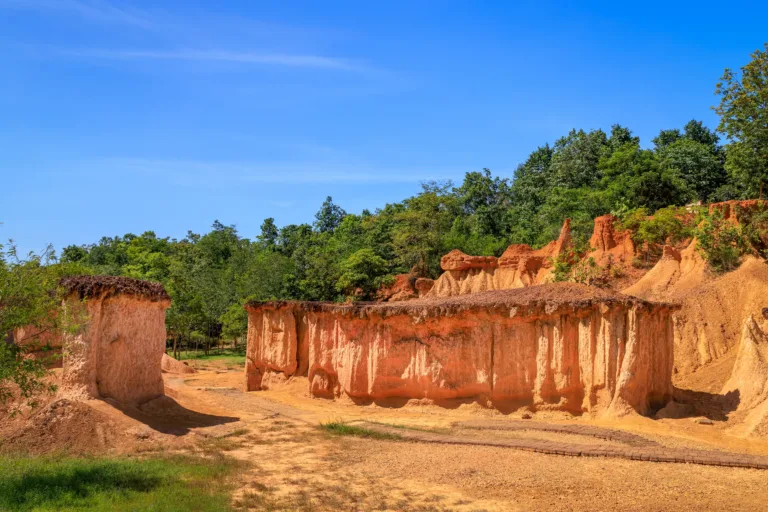 Phae Mueang Phi Forest Park
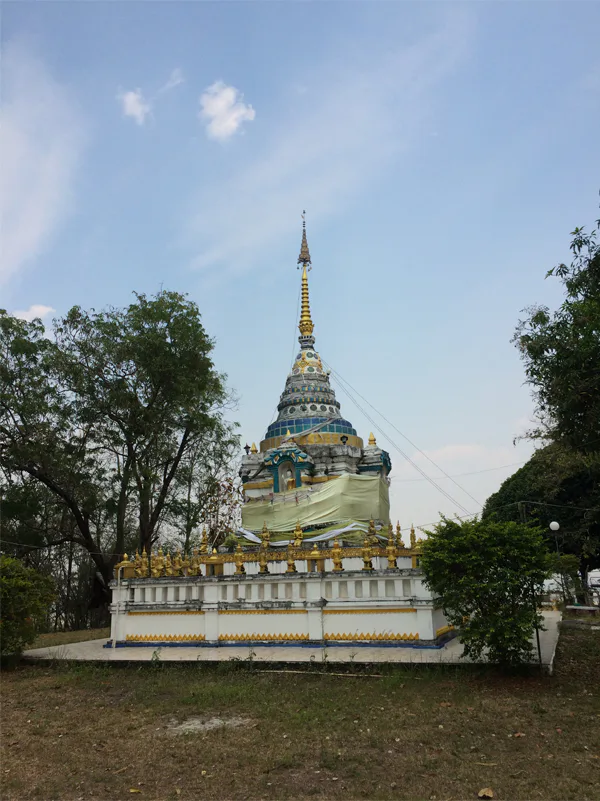 Wat Phra That Chom Chaeng
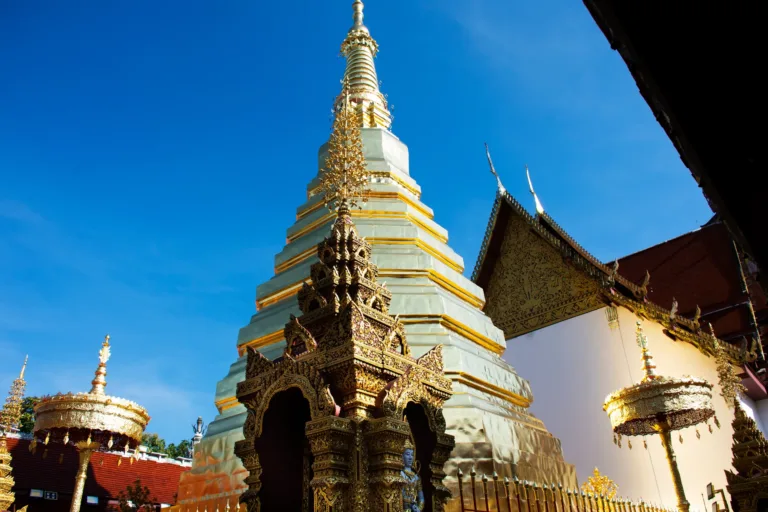 Wat Phra That Cho Hae