Quiet times, time needed and photo spots
Show times, 10:00 and 14:00, on holidays
Half a day
Show ground — Elephants with mahouts in local dress
Study Centre daily 07:30–17:00 · shows 10:00 and 14:00 · museum Wed–Sun 09:00–12:00 and 13:00–16:00
Thais 50 THB · Foreigners 100 THB
7 days ahead
When to go
this week
Tap a day card to see that day’s weather, rain, haze and hourly forecast
Best time to go Daytime is over · see tomorrow
No warnings today — normal road and weather conditions
Hour by hour
Green band = hours used for the score
Best time to go Fine all day little rain through the day
No warnings today — normal road and weather conditions
Hour by hour
Green band = hours used for the score
Best time to go Fine all day little rain through the day
No warnings today — normal road and weather conditions
Hour by hour
Green band = hours used for the score
Best time to go Fine all day little rain through the day
No warnings today — normal road and weather conditions
Hour by hour
Green band = hours used for the score
Best time to go Fine all day little rain through the day
No official warnings, but watch for: Hot (Afternoon) feels like 38°C
Hour by hour
Green band = hours used for the score
Best time to go Fine all day little rain through the day
No warnings today — normal road and weather conditions
Hour by hour
Green band = hours used for the score
Best time to go Fine all day little rain through the day
No warnings today — normal road and weather conditions
Hour by hour
Green band = hours used for the score
Ban Ta Klang Elephant Village
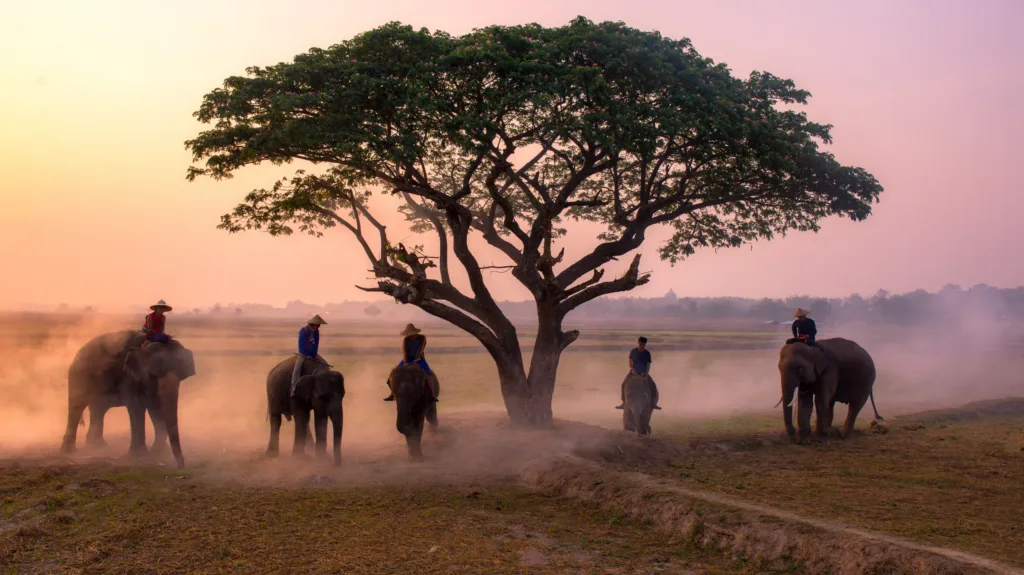
Ban Ta Klang is in Krapho, Tha Tum District, Surin, about 58–62 km from Surin town. It's a community of Kui (Kuay or Suay) people who have passed down elephant-keeping and capture skills for generations, earning it the name 'elephant village'.The village has the Elephant Study Centre, later developed into Elephant World to conserve elephants and support mahouts. Elephant shows run at 10:00 and 14:00, and the red-brick Surin Elephant Museum tells the story of wild, domestic and prehistoric elephants and of the Kui and their elephants.The Study Centre is open daily 07:30–17:00, with entry at 50 THB for Thais and 100 THB for foreigners. The museum opens Wednesday–Sunday and charges separately.
- Museum and morning show
- Museum lunch break
- Afternoon show
Arrive Before 10:00 to catch the morning show
- Show groundElephants with mahouts in local dress10:00
- Red-brick museumArched brick architecturemorning
Good to know here
Follow the mahouts' advice; don't approach or feed elephants yourself
It also closes for lunch 12:00–13:00
- Time your visit for the 10:00 show, then the museum in the morning
- If you want the museum, avoid Mondays and Tuesdays
- Groups of 20+ get a museum discount but must send a letter in advance
Thais 50 THB · Foreigners 100 THB · Time needed Half a day
Show times, 10:00 and 14:00, on holidays
| Study Centre and show, Thai adult | 50 ฿/person |
| Study Centre and show, foreigner | 100 ฿/person |
| Study Centre, Thai child optional | 20 ฿/person |
| Surin Elephant Museum, Thai adult optional | 50 ฿/person |
| Surin Elephant Museum, foreign adult optional | 200 ฿/person |
Cash · Prices may change by season — check with the venue
- Kids Kids love it, with elephants and a museum
- Seniors Flat with short walks
- Wheelchair No confirmed information on ramps; ask first
- Pets Lots of elephants around; don't bring pets
- Follow the mahouts' instructions
- Respect villagers' homes
- Don't use flash near elephants
- Keep your distance from elephants
- It's hot at midday; drink plenty of water
The story of this place
Ban Ta Klang in Krapho subdistrict, Tha Tum district, Surin, is a village of the Kui (Kuay) people and is often called one of the largest elephant-keeping villages in the world. It lies on the plain near the meeting of the Mun and Chi rivers. Its people descend from elephant masters who once caught wild elephants, trained them and sent them to the Siamese court. Elephants still share homes with many families today, and the village is now home to the Elephant Study Centre and the Elephant World project, which tell the story of the bond between people and elephants.
Read more 11 more paragraphs
Ethnographic research says the Kui migrated from southern Laos into lower Isan as early as the reign of King Narai, and that the Kui of Ban Ta Klang settled in the Surin area between the late Ayutthaya and Thonburi periods. This group calls itself "Kui Ajiang", meaning elephant people. There is no firm evidence of the village's age; some sources put it at around 300–400 years.
The Kui played a key role in founding Surin. Local history says that around 1759, in the reign of King Suriyamarin, the Kui leader Chiang Pum helped track down white elephants that had escaped from Ayutthaya and return them. He was rewarded and, in the Thonburi period, was given the title Phraya Surin Phakdi, becoming the first ruler of Surin. The Kui also caught and trained wild elephants for royal warfare.
In the past, Kui men set out in groups to catch wild elephants, using the pakam rope, a sacred object bound up with the pakam spirit. Even today, Ban Ta Klang villagers make offerings to the pakam spirit and the Pu Ta guardian shrine before major ceremonies, and part of the pakam ropes is kept at the Pu Ta shrine at Wang Thalu, where the Mun and Chi rivers meet.
Elephant catching did not last forever. Scholars say it ended around the 1950s or 1960s, while foreign media report that Thailand banned the capture of wild elephants in 1957. The Kui turned to raising and breeding elephants at home. Elephants were used to haul logs in the forest, to perform, and to join village festival processions.
Elephants are treated like family members and appear in rituals throughout life. The best known is the elephant ordination parade: when young men turn 20 they ordain as monks to repay their parents, riding elephants in the procession. Villagers believe that riding an elephant in the parade follows the Buddha's path and earns great merit. Some sources say the tradition has been kept for more than 200 years.
When the first Surin elephant show was held in Tha Tum district on 19 November 1960 to celebrate a new district office, its elephant parade, roping demonstrations and elephant races drew Thai and foreign visitors. In 1962 the Cabinet made it a national annual event, and it moved to the provincial stadium in Surin town.
After the government banned logging in 1989, many elephants lost their work. Many mahouts from Ban Ta Klang took their elephants to big cities and tourist spots, selling food for people to feed them to support their families. Elephants walking through city traffic became a problem for both animals and people for years.
Surin province then set up the Elephant Study Centre at Ban Ta Klang so that wandering elephants could return home. Surin PAO says the idea of bringing elephants home began in 1999, while another source says the village headman of the time started a government-backed centre in 1995. Mahouts who brought their elephants back received a monthly payment. In 2009 the Save Elephant Foundation and the province launched the Surin Project, reforesting land where elephants could roam. The centre was later handed to Surin PAO.
Near the village is the elephant cemetery at Wat Pa A Chiang. The abbot began it in 1995 after dreaming of a female elephant he had been close to as a boy, and he dug up her bones to rebury them beside the temple. Villagers then brought the bones of elephants buried in their fields, after five to seven years, to be buried together. The cemetery grew from about 40 graves in 2004–2005 to around 100 later on. Villagers hold funerals for elephants much as they do for people.
In 2015 Surin PAO began the Elephant World project in the Dong Phu Din national forest reserve, with about 455 million baht from a government stimulus budget and the PAO. It was designed by Assistant Professor Boonserm Premthada of Chulalongkorn University's Faculty of Architecture, and includes a 28-metre brick observation tower, a cultural courtyard, a reservoir dug from an old quarry, and a red-brick museum made from local earth. It opened to visitors in March 2020 and won Best Sanctuary at the Wallpaper* Design Awards in 2021. Figures for the project area vary by source, from about 2,700 to over 3,000 rai.
The Surin Elephant Museum, the last part of the project, received a renovation budget of over 45 million baht and officially opened on 5 September 2023 (some sources say 2024). In 2023 a pakam rope from Ban Ta Klang also entered the Museum of Archaeology and Anthropology at the University of Cambridge. Sources from different years give the number of elephants in the village at anywhere from over 100 to around 300.
- 1759Chiang Pum, a Kui leader, helps recapture white elephants that escaped from Ayutthaya
- 1957Thailand bans the capture of wild elephants, ending the Kui tradition of elephant catching
- 1960The first Surin elephant show is held in Tha Tum district on 19 November
- 1962The elephant show becomes a national annual event and moves to Surin town
- 1989A logging ban leaves many mahouts taking their elephants to beg in cities
- 1995The abbot of Wat Pa A Chiang begins the elephant cemetery; some sources date a village elephant centre to this year
- 1999Surin province adopts the idea of bringing wandering elephants back home
See 8 events
- 2004–2005The elephant cemetery holds about 40 graves
- 2009The Save Elephant Foundation and the province launch the Surin Project
- 2015Surin PAO starts the Elephant World project
- 2017Surin PAO expands its Bringing Elephants Home to Develop Surin project
- 2020The tower and cultural courtyard are completed; Elephant World opens to visitors in March
- 2021Elephant World wins Best Sanctuary at the Wallpaper* Design Awards
- 2023The Surin Elephant Museum officially opens on 5 September (some sources say 2024)
- 2023A pakam rope from Ban Ta Klang enters the University of Cambridge's archaeology and anthropology museum
Check-ins & visitor photos
Arrived? Check in, collect a stamp and tell others what it is like right now
Check your location first, so you do not fill in the form for nothing
Location must be on and within 2 km · One check-in per place per day · come back on other days to check in again
Post photos from anywhere — no need to be here · Up to 20 photos at a time · JPG / PNG / WebP · GPS location data is removed automatically
How to get there
Ban Ta Klang is in Krapho, Tha Tum, about 58–62 km from Surin town.
Surin town–Highway 214–Ban Ta Klang · Fuel
Highway 214, then about 22 km of paved road
Available
Study Centre daily 07:30–17:00 · shows 10:00 and 14:00 · museum Wed–Sun 09:00–12:00 and 13:00–16:00
about 58–62 km from Surin town
Ban Ta Klang Elephant Study Centre
100 THB
FAQ
Before you go: Ban Ta Klang Elephant Village
Answers travellers want before they go — a one-minute read
How many elephant shows are there?
Two, at 10:00 and 14:00
How much is entry?
Thai adults 50 THB, children 20 THB, foreigners 100 THB
When is the elephant museum open?
Wednesday–Sunday, 09:00–12:00 and 13:00–16:00; separate ticket, 50 THB Thai adults, 200 THB foreign adults
How far is it from Surin town?
About 58–62 km, roughly 1–1.25 hours by car
Who lives in Ban Ta Klang?
A Kui community that has kept elephants for generations
Nearby places
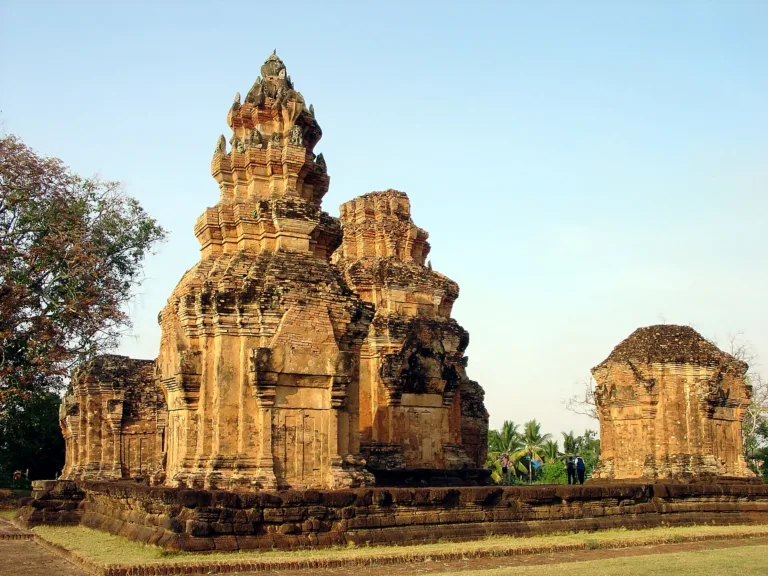 Prasat Sikhoraphum
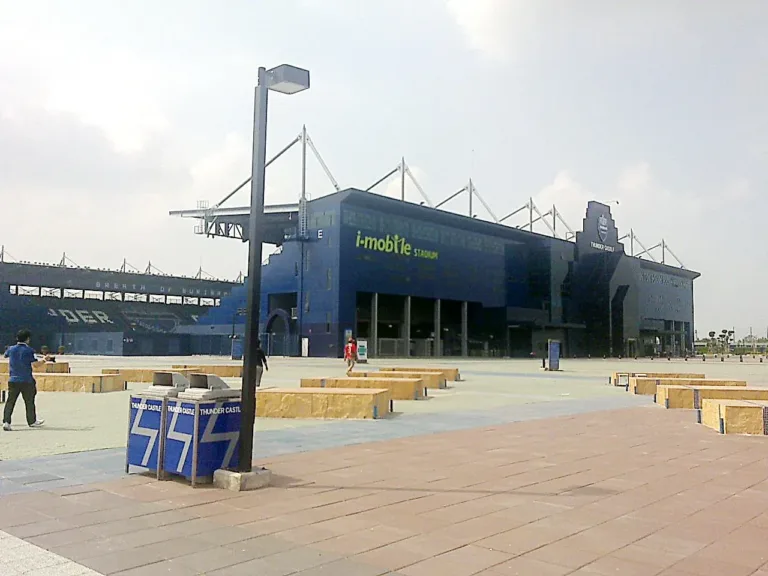 Chang Arena
Ready to go to Ban Ta Klang Elephant Village?
Best day this week: Saturday 28 Nov · Check in when you arrive to collect a stamp