What to know before visiting the temple
Dress modestly · Be calm and quiet in meditation areas · Don't make noise
Daily 06:00–19:00 (hall open 07:00–17:00)
Morning, when it's cool and quiet
7 days ahead
When to go
this week
Tap a day card to see that day’s weather, rain, haze and hourly forecast
Best time to go Daytime is over · see tomorrow
No warnings today — normal road and weather conditions
Hour by hour
Green band = hours used for the score
Best time to go Fine all day little rain through the day
No warnings today — normal road and weather conditions
Hour by hour
Green band = hours used for the score
Best time to go Fine all day little rain through the day
No warnings today — normal road and weather conditions
Hour by hour
Green band = hours used for the score
Best time to go Fine all day little rain through the day
No warnings today — normal road and weather conditions
Hour by hour
Green band = hours used for the score
Best time to go Fine all day little rain through the day
No official warnings, but watch for: PM2.5 dust 26 · Hot (Afternoon) feels like 38°C
Hour by hour
Green band = hours used for the score
Best time to go Fine all day little rain through the day
No official warnings, but watch for: Hot (Afternoon) feels like 39°C
Hour by hour
Green band = hours used for the score
Best time to go Fine all day little rain through the day
No warnings today — normal road and weather conditions
Hour by hour
Green band = hours used for the score
Wat Pa Chai Rangsi
Wat Pa Chai Rangsi is in Ban Ko, Mueang Samut Sakhon. It's a meditation temple in the forest tradition of Ajahn Mun Bhuridatta, founded by Phra Thep Sitthiyan Rangsi (Ajahn Chan Khawesako); permission to build was granted in 1983 and it became an official temple in 1987.The two-storey Burapha Siam Ratcha Rangsi hall houses Luang Pho Yai Chai Rangsi, a crowned Buddha in the subduing-Mara posture, and Buddha relics. The Phra Phutthaphum Rangsi ordination hall is surrounded by naga figures.The temple is open daily 06:00–19:00, the hall 07:00–17:00, and it also hosts meditation retreats and ethics camps.
- Cool, hall open
- Hot
Arrive Morning, when it's cool and quiet
- Phra Phutthaphum Rangsi ordination hallThe hall ringed by nagasmorning
Good to know here
Keep your voice and manner calm, especially near people meditating
- Visit the hall between 07:00 and 17:00
- Dress modestly
- Contact the temple first if you'd like to join a meditation retreat
No data yet check before you go · Time needed 1 hour
Weekends and Buddhist holy days
- Kids Fine; keep them calm and quiet
- Seniors Well suited to paying respects
- Pets A place of worship; not suitable
- Dress modestly
- Be calm and quiet in meditation areas
- Don't make noise
- Hot at midday; bring water
The story of this place
Wat Pa Chai Rangsi is a forest meditation temple of the Thammayut order on the Tha Chin River, at Moo 4, Ban Bang Pla, Ban Ko subdistrict, Mueang Samut Sakhon. It was founded in the early 1980s by Phra Ajahn Chan Khawesako and follows the practice of Ajahn Mun Bhuridatta. It received its royally granted consecrated boundary on 30 January 1987. Although it is not yet half a century old, it stands out for its adapted Lanna architecture, rare in the central plains, the huge naga wall that encircles its sacred precinct, and Luang Pho Yai Chai Rangsi, the crowned Buddha that draws visitors to pay respects.
Read more 9 more paragraphs
Ban Ko is a riverside community on the Tha Chin, long a route for transport, trade and settlement. Nearby stands Wat Bang Pla, the area's important Mon temple, which local records say was founded around 1904; on 31 July 1905 King Chulalongkorn (Rama V) stopped there for a meal during his journey along the Tha Chin. Wat Pa Chai Rangsi grew up in a district where Buddhism had deep roots, but unlike the traditional riverside temples it was planned from the start as a forest monastery for meditation.
Sources differ slightly on when it began. The temple's own website says permission to build was granted in 1983, while some sources say construction started in 1982. Figures for its size also vary: one account says it began on about 25 rai of donated land and grew to roughly 104 rai of forest, while the temple's website gives about 200 rai.
Some accounts say the seed funding came from Luang Pu Dun Atulo (Phra Ratchawutthachan) of Wat Burapharam in Surin, a senior first-generation disciple of Ajahn Mun, and that Ajahn Chan then built the temple on donated land. One travel guide says it was built by the abbot of Wat Burapharam, so the details do not fully agree, but all point to the same thing: the temple is tied to the forest meditation lineage of the northeast and was founded as a place of practice. The provincial administration later designated it a centre for Buddhist practice.
In 1983 Ajahn Chan, then abbot, designed the layout and buildings, adapting Lanna art to the flat land beside the Tha Chin. At its heart is the Phra Phutthaphum Rangsi ordination hall, a two-storey building with a lower level of large stone blocks, an upper level of hardwood, a three-tiered roof, and crossed kalae boards on the gables instead of the chofa finials of central Thai temples. Some visitors also see a hint of northeastern stone sanctuaries in the mix.
The other feature that makes the temple memorable is the naga. A huge naga-shaped wall runs around the ordination hall precinct, the entrance is a six-headed naga gateway, and naga figures line the paths around the pond. The principal Buddha in the hall is named Phra Phuttha Chai Rangsi Mongkhon Thotsaphon Maha Karuna Sakhon. Behind it, a huge log is carved into a Bodhi tree, with the Buddha's birth on the left and his passing into Parinirvana on the right.
On 30 January 1987 the temple received its consecrated boundary and was formally established as a temple the same year. That year it also built the two-storey Burapha Siam Ratcha Rangsi hall, home to Luang Pho Yai Chai Rangsi, a crowned Buddha in the subduing-Mara posture, and to Buddha relics. The interior is decorated with marble, Chinese vases, mother-of-pearl cabinets, and paintings of forest masters who wandered and practised across the country.
In the years after the founding, Ajahn Chan rose quickly in ecclesiastical rank: to Phra Phothiyan Rangsi Thera on 5 December 1988, to Phra Ratchayan Rangsi on 5 December 1990, and to Phra Thep Sitthiyan Rangsi on 5 December 1992. Many people came to know him as Luang Ta Chan. He later left the monkhood; the press reported this around 1992, a year when his name appeared in monastic news. His name as founder and designer remains closely tied to the temple.
The layout shows it was meant as a practice centre from the outset. Besides the ordination hall and viharn there is a residence for the Supreme Patriarch, twelve Thai-style kuti for monks and novices, and six Neramit Rangsi residences for lay practitioners, spread among large shade trees and the pond, which keeps the grounds green and quiet even though the town of Samut Sakhon is not far away.
Today the abbot is Phra Khru Si Pariyattiwithan (Phra Maha Maen Kuptarasi). The temple still hosts meditation practice and ethics camps, holds university-level teaching for Mahamakut Buddhist University, and served as an exam centre for the 2025 Dhamma studies exams at all three levels. It also does welfare work, such as a project sending aid to people in border areas. Because Samut Sakhon is home to many workers from Myanmar, Myanmar visitors are often seen making merit and touring the temple alongside Thais.
- 1904Wat Bang Pla, an old Mon temple in Ban Bang Pla, is founded, according to local records
- 190531 Jul — King Rama V travels along the Tha Chin River and stops for a meal at Wat Bang Pla
- 1982Some sources date the start of construction of Wat Pa Chai Rangsi to this year
- 1983Permission to build the temple is granted; Ajahn Chan Khawesako designs the layout in adapted Lanna style
- 198730 Jan — the temple receives its royally granted consecrated boundary and is formally established
- 1987The Burapha Siam Ratcha Rangsi hall is built for Luang Pho Yai Chai Rangsi and Buddha relics
- 19885 Dec — Ajahn Chan is given the title Phra Phothiyan Rangsi Thera
See 4 events
- 19905 Dec — raised to Phra Ratchayan Rangsi
- 19925 Dec — raised to Phra Thep Sitthiyan Rangsi
- 1992The press reports that Phra Thep Sitthiyan Rangsi (Luang Ta Chan) leaves the monkhood around this time
- 2025The temple serves as an exam centre for the Dhamma studies exams at all three levels
Check-ins & visitor photos
Arrived? Check in, collect a stamp and tell others what it is like right now
Check your location first, so you do not fill in the form for nothing
Location must be on and within 1 km · One check-in per place per day · come back on other days to check in again
Post photos from anywhere — no need to be here · Up to 20 photos at a time · JPG / PNG / WebP · GPS location data is removed automatically
How to get there
The temple is in Ban Ko, Mueang Samut Sakhon.
Ban Ko, Mueang Samut Sakhon · Fuel
Local roads in Ban Ko
Daily 06:00–19:00 (hall open 07:00–17:00)
Wat Pa Chai Rangsi
FAQ
Before you go: Wat Pa Chai Rangsi
Answers travellers want before they go — a one-minute read
Where is Wat Pa Chai Rangsi?
Ban Ko, Mueang Samut Sakhon
What are the hours?
Daily 06:00–19:00; the hall is open 07:00–17:00
Who is Luang Pho Yai Chai Rangsi?
A crowned Buddha in the subduing-Mara posture in the main hall
What tradition does it follow?
Forest meditation in the line of Ajahn Mun Bhuridatta
Who founded it?
Phra Thep Sitthiyan Rangsi (Ajahn Chan Khawesako)
How can I contact the temple?
Call 087-169-8426 or 034-468-128
Nearby places
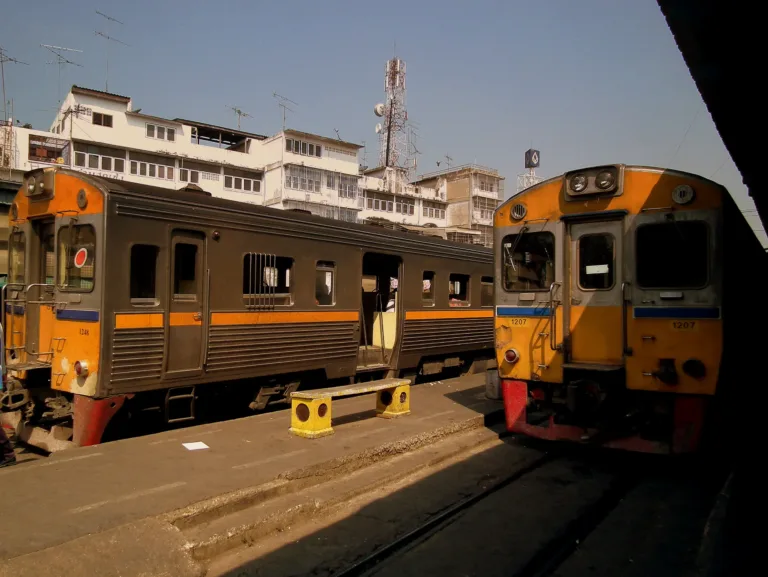 Mahachai Market
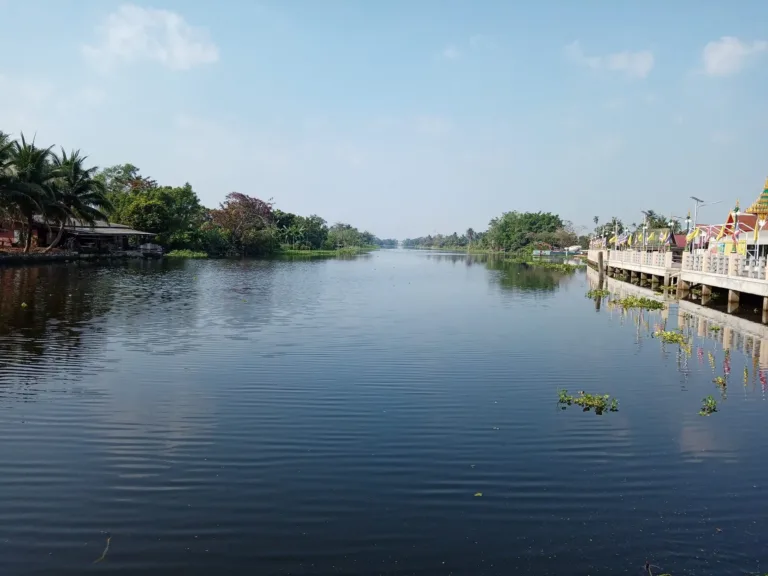 Wat Tha Mai
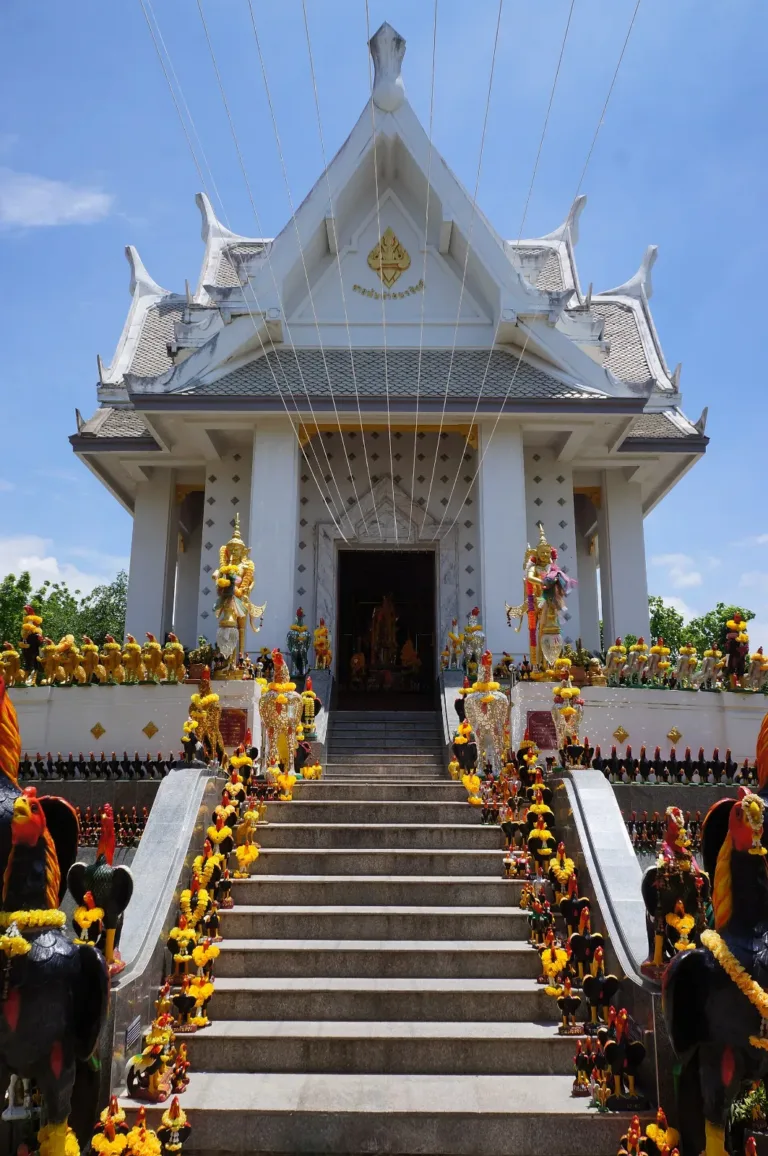 Phanthai Norasing Shrine
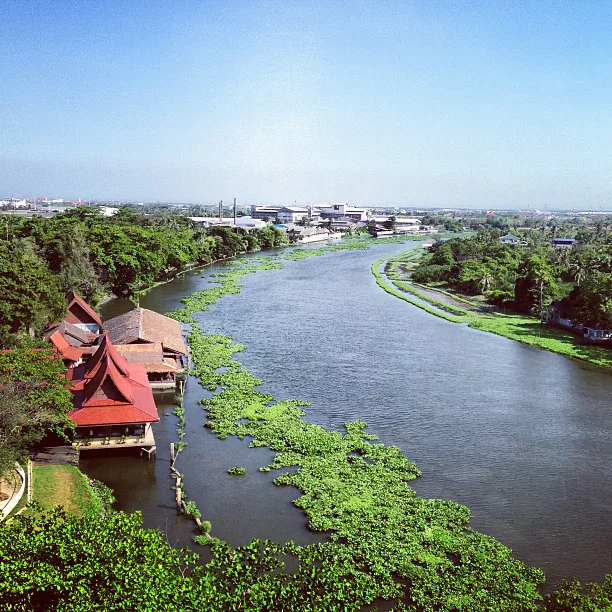 Suan Sampran
Ready to go to Wat Pa Chai Rangsi?
Best day this week: Sunday 29 Nov · Check in when you arrive to collect a stamp