 01
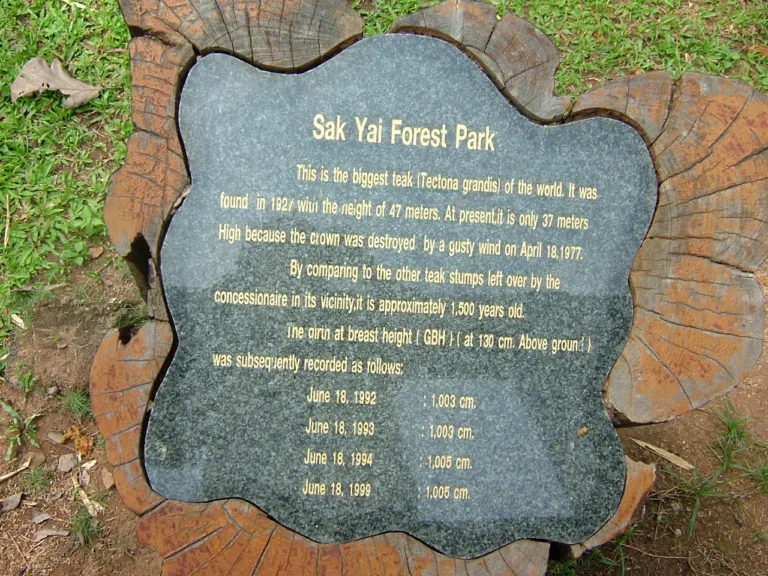
MahesakA giant teak about 10 m round
Mahesak, the giant teak · Uttaradit
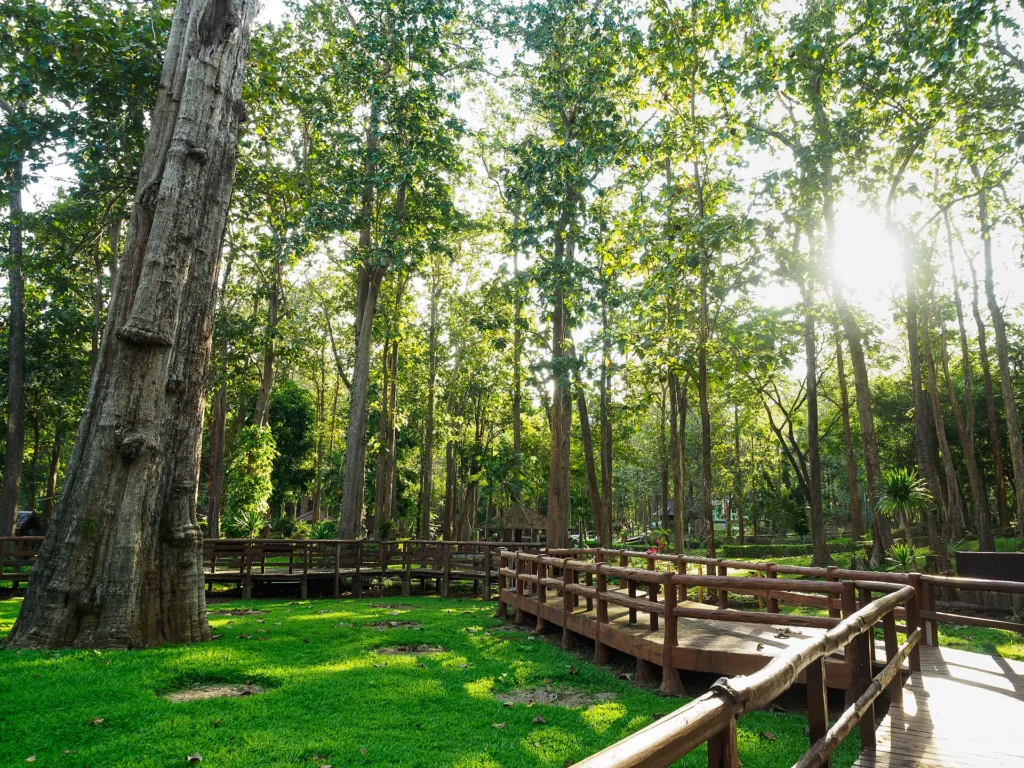
A national park named after Mahesak, the giant teak at Ban Pang Kluea, Nam Khrai, Nam Pat, Uttaradit: about 10 m in girth and estimated at some 1,500 years old, its crown lost to a storm but still alive, with a boardwalk and nature trail.
Holiday / event — crowded
Jul – Oct
The teak — Stay on the boardwalk; do not touch the trunk
About 1 hour
Weak
01 02
Tap a day card to see that day’s weather, rain, haze and hourly forecast
Best time to go Daytime is over · see tomorrow
Holiday — traffic on the way up and parking fills fast; leave early
Green band = hours used for the score
Best time to go Fine all day little rain through the day
Holiday — traffic on the way up and parking fills fast; leave early
Green band = hours used for the score
Best time to go Fine all day little rain through the day
No warnings today — normal road and weather conditions
Green band = hours used for the score
Best time to go Fine all day little rain through the day
No warnings today — normal road and weather conditions
Green band = hours used for the score
Best time to go Fine all day little rain through the day
No warnings today — normal road and weather conditions
Green band = hours used for the score
Best time to go Fine all day little rain through the day
No warnings today — normal road and weather conditions
Green band = hours used for the score
Best time to go Fine all day little rain through the day
No warnings today — normal road and weather conditions
Green band = hours used for the score
Scored from cloud cover at every level and tonight’s moonlight — the darker the sky, the clearer the Milky Way · tap another night below for the next 7 nights
Ton Sak Yai National Park, Ban Pang Kluea, Nam Khrai, Nam Pat, Uttaradit.
Photos from Wikimedia Commons and contributors · tap a photo to see its credit
Stay on the boardwalk; do not touch the trunk
Fill up before entering the area
Thais 20 THB · Foreigners 100 THB · Car 30 THB · Time needed About 1 hour
Long cool-season holidays
Tap a month on the wheel to see weather, rain, haze and crowds from 10 years of records
Best time · Nov–Jan is cool and the forest turns colour
Watch out · April is very hot · slippery, leech-prone trails in the rains
Nov by the records 21–30°C · avg rain 45 mm (6 rainy days) · clear 15 days · avg PM2.5 9
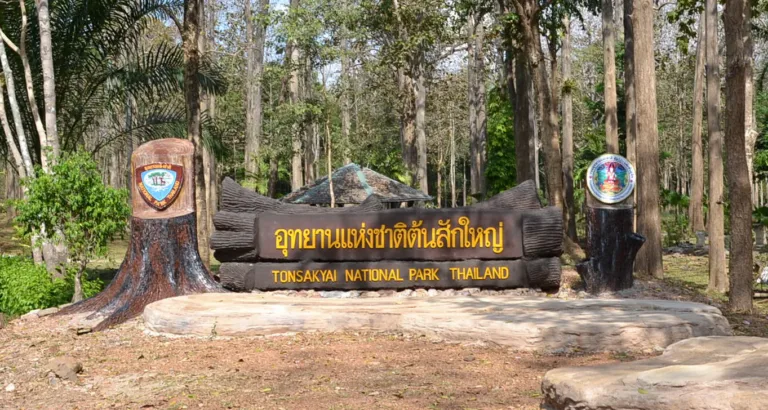
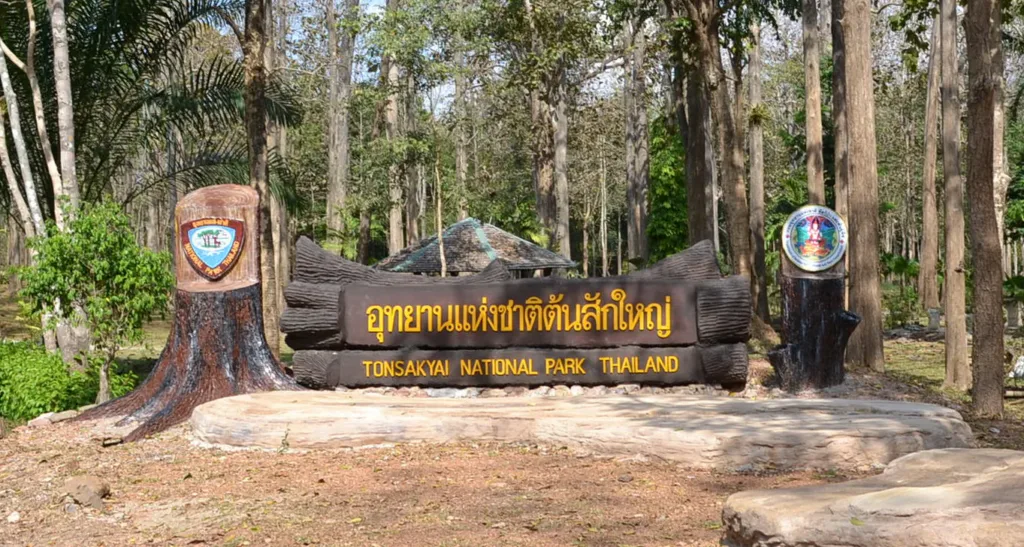
Ton Sak Yai National Park is more than 519 km² of mountain forest in eastern Uttaradit, spanning Nam Pat, Tha Pla, Thong Saen Khan and Mueang Uttaradit districts. It was declared as Khlong Tron National Park in 2003 and renamed in 2012 after the giant teak at Ban Pang Kluea in Nam Khrai subdistrict, a tree royally named "Mahesak" and celebrated as the largest teak in the world. Its history is the story of one tree that outlived the logging era, and of the forest that was gradually protected around it.
The park is a maze of north–south ridges forming part of the Luang Prabang Range, roughly 400–1,500 m above sea level, with Khao Phu Miang (about 1,500 m) as the highest point. Its streams drain into the Nan River. Most of the cover is mixed deciduous, dry dipterocarp and evergreen forest, with limestone hills full of caves and cliffs, home to serow, Asiatic black bears and clouded leopards.
Uttaradit has always been teak country. The name means "northern landing", from the town's past as a trading port on the Nan River, and most of the province was once covered in teak forest, its main product; teak is now the provincial tree. Nam Pat district, where the giant teak stands, was originally called Saen To and took its present name by a Royal Gazette notice in 1932.
The giant teak was found around 1927 in mixed deciduous forest near Ban Pang Kluea. The usual explanation for its survival is that the trunk was too twisted and hollow to saw into timber, and that it grew deep in the hills far from any stream used to drag and float logs. Villagers also believed a guardian spirit lived in the tree, so no one dared to fell it.
At some point a storm snapped off its crown, cutting its height from about 47–48.5 m to about 37–38.5 m, but the trunk survived and is now propped up. Official sources give no year for the storm; one traveller's account says it happened around 1977. Girth figures also vary, from about 9.87 m in older documents to the 10.07–10.22 m quoted today.
The often-quoted age of about 1,500 years is an estimate rather than a scientific date, and the "world's largest" title comes from Thai documents and research, with no independent verification found. A 2012 study by Thai researchers also noted that the old tree was deteriorating, which is why efforts turned to preserving its genetics.
About 22,000 rai (some 35 km²) around the tree was once managed as Ton Sak Yai Forest Park. On 14 January 1998 Queen Sirikit visited and asked that the tree be cared for so it would live as long as possible.
On 29 September 2009 Princess Maha Chakri Sirindhorn named the tree "Mahesak", meaning "great deity". The Department of Cultural Promotion later ranked it first among Thailand's most wondrous trees, and it was included in the heritage-tree book Rukkha Moradok Khong Phaen Din in 2017.
In 2012 Mahesak was propagated by tissue culture, both in research using its young leaves and through the royal Plant Genetic Conservation Project (RSPG), which with Thailand Post let people across the country order Mahesak seedlings, paired with the Sak Siamin teak, from September to December 2012. Descendants of the tree now grow all over Thailand.
The park itself began with a survey of the Khlong Tron National Forest Reserve in December 1990; "Khlong Tron" is the stream that runs through the area. On 8 November 1994 a draft decree was proposed covering five forests: Nam Pat, Pak Huai Chalong, Huai Si Siat, and both banks of Khlong Tron. On 4 December 2003 it was declared Khlong Tron National Park, Thailand's 103rd, under Protected Area Regional Office 11, Phitsanulok.
On 12 July 2012 it was renamed Ton Sak Yai National Park and absorbed the former forest park. The headquarters stayed at the old Khlong Tron office, while the giant-teak site became a ranger unit. Besides the tree, the park has Khlong Tron and Phu Miang waterfalls, the Phu Miang cliff and Tham Chan, a limestone cave named after the chan pha trees on its hill.
The park is still quiet: Department of National Parks figures counted about 4,000 visitors in fiscal year 2019. Communities live around and inside the forest, and in 2023 and 2024 the cabinet approved in principle draft rules that would let villagers live, farm and sustainably gather forest products in several parks, including this one. Visitors can help simply by staying on the boardwalk and not stepping on the roots or climbing Mahesak.
Arrived? Check in, collect a stamp and tell others what it is like right now
Check your location first, so you do not fill in the form for nothing
Location must be on and within 3 km · One check-in per place per day · come back on other days to check in again
Post photos from anywhere — no need to be here · Up to 20 photos at a time · JPG / PNG / WebP · GPS location data is removed automatically
Winding forest roads
Route 1047 · Fuel
From Uttaradit town · Negotiate
Uttaradit–Sirikit Dam–Nam Pat road to km 64–65, then about 9 km in
Car park at the tree site
Uttaradit town or Nam Pat
Weak
Tree site about 06:00–18:00
about 75 km from Uttaradit town
Ton Sak Yai National Park
100 THB
Approx. nightly price for 2 adults (next week) · final price depends on your dates
Answers travellers want before they go — a one-minute read
Yes; a storm broke the crown but the trunk lives, propped up
About 10 m round, 37–38.5 m tall
Estimated at about 1,500 years
Princess Sirindhorn, 29 Sep 2009
20 baht Thai, 100 baht foreign
It was renamed on 12 Jul 2012
Best day this week: Monday 30 Nov · Check in when you arrive to collect a stamp
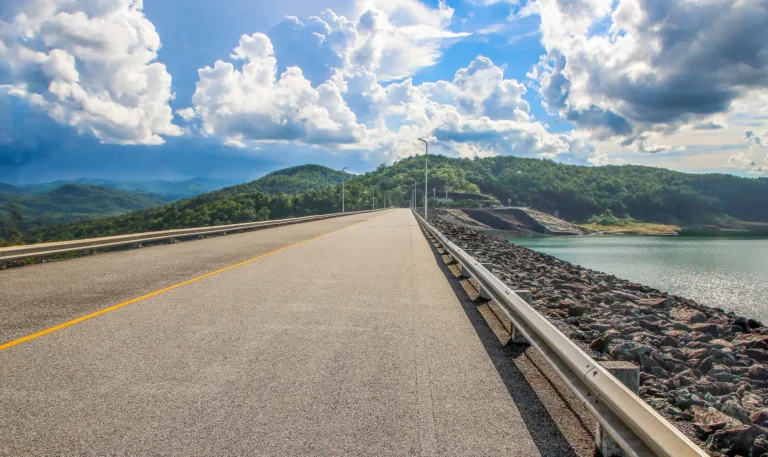 Sirikit Dam
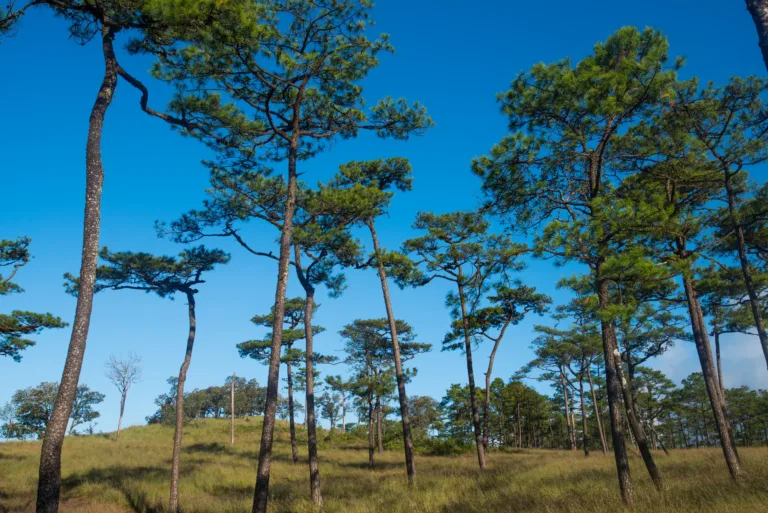 Phu Soi Dao National Park
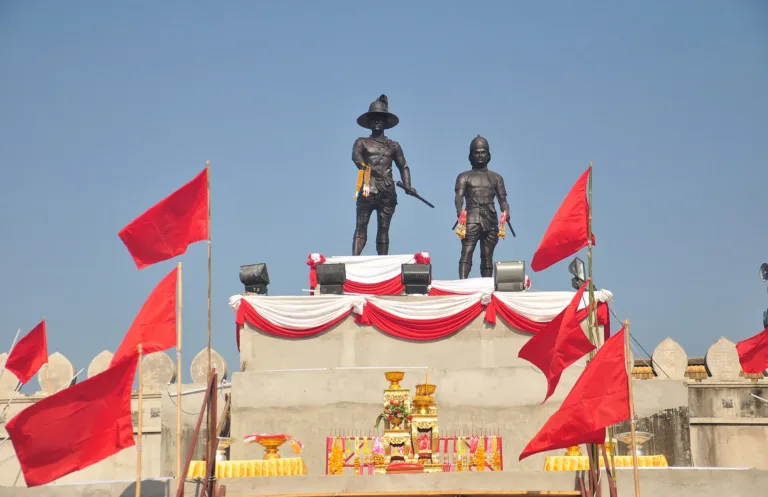 Phraya Phichai Dap Hak Monument
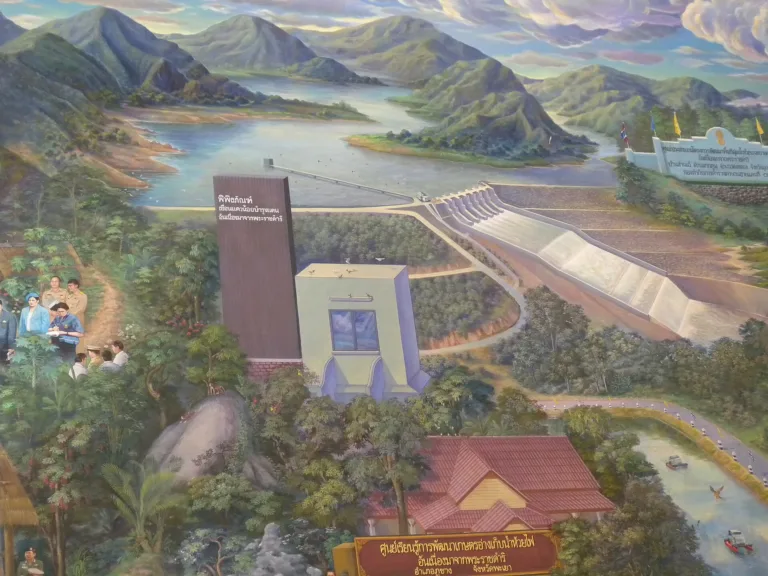 Khwae Noi Bamrung Daen Dam