7 days ahead
When to go
this week
Tap a day card to see that day’s weather, rain, haze and hourly forecast
Best time to go Daytime is over · see tomorrow
Holiday — traffic on the way up and parking fills fast; leave early
Hour by hour
Green band = hours used for the score
Best time to go Best window 06:00–16:00 Little rain · light drizzle possible at times
Rain at times — slippery roads, allow extra travel time
Holiday — traffic on the way up and parking fills fast; leave early
Hour by hour
Green band = hours used for the score
Best time to go Best window 08:00–14:00 Little rain · light drizzle possible at times
No official warnings, but watch for: Late morning (09:00–12:00): rain ~49% · Possible thunder 17:00–18:00
Hour by hour
Green band = hours used for the score
Best time to go Best window 09:00–16:00 Little rain · light drizzle possible at times
No warnings today — normal road and weather conditions
Hour by hour
Green band = hours used for the score
Best time to go Best window 06:00–16:00 Little rain
No official warnings, but watch for: Possible thunder 15:00–17:00
Hour by hour
Green band = hours used for the score
Best time to go Best window 06:00–15:00 Little rain
No official warnings, but watch for: Possible thunder 14:00–16:00
Hour by hour
Green band = hours used for the score
Best time to go Fine all day little rain through the day · light drizzle possible at times
No warnings today — normal road and weather conditions
Hour by hour
Green band = hours used for the score
Phuket Old Town
Phuket Old Town sits in the middle of Phuket city, covering Thalang, Dibuk, Yaowarat, Krabi and Phang Nga roads. Both sides are lined with pastel Sino-Portuguese shophouses with louvred windows and stucco relief. The quarter grew up around 200 years ago during the tin-mining boom, largely built by Hokkien Chinese.Many old buildings are now cafés, restaurants, guesthouses and museums, such as the Phuket Thai Hua Museum on Krabi Road, and there are old shrines like the Chao Mae Tubtim shrine on Thalang Road.Every Sunday from 16:00 to 22:00, Thalang Road becomes the Lard Yai walking street, full of local food and souvenirs.
- Quiet streets, nice light
- Hot; duck into cafés and museums
- Cooler; Lard Yai on Sundays
Arrive Morning before the heat, or late afternoon into the evening
- Thalang RoadShophouse rows stretching awaymorning
- Dibuk RoadPastel facades and stucco detailsmorning
Good to know here
Especially on Sunday evenings, when Thalang Road closes for the walking street
Many shophouses are still homes; don't step into private spaces for photos
- Walk in the morning or evening to avoid the midday sun
- If you're here on a Sunday, save the evening for Lard Yai
- Park further out and walk in; the streets are narrow
- Try local Phuket dishes at the old shops in the quarter
No data yet check before you go · Time needed Half a day
Sunday evenings during Lard Yai
| Phuket Thai Hua Museum, Thai optional | 50 ฿/person |
| Phuket Thai Hua Museum, foreigner optional | 200 ฿/person |
Prices may change by season — check with the venue
- Kids Fine; short walks and museum stops
- Seniors Flat, though pavements are narrow in places
- Wheelchair Narrow pavements with many steps
- Pets Public streets, but Lard Yai gets very crowded
- WanchanFamily-recipe Phuket food
- Go BenzPork rice porridge and kuay jab
- Tu Kab KhaoSouthern food in a vintage setting
- Stay on the pavements and respect residents
- Dress modestly in shrines
- Don't enter private homes for photos
- Traffic runs through the quarter; take care crossing for photos
- Sunday evenings are crowded; mind your valuables
The story of this place
Phuket Old Town is the heart of a city that grew out of the tin trade. Once known as Thung Kha (Tongkah), it became a trading settlement in the mid-19th century and then a port town built together by Hokkien Chinese, merchants from Penang and Siamese governors. The Sino-Portuguese shophouses along Thalang, Dibuk, Krabi, Phang Nga and Yaowarat roads are the legacy of that boom, kept alive by local people as a living quarter where families still make their homes.
Read more 10 more paragraphs
Phuket island was known to foreign traders for its tin as far back as the Ayutthaya period, and Europeans called it "Junk Ceylon". Its original centre, however, was the town of Thalang in the north. Wars with Burma in the early Rattanakosin period badly damaged the old settlements, and from the 1820s Chinese from the British Straits Settlements, especially Penang, increasingly controlled mining on the island.
Phuket Town is the youngest town on the island, founded after Thalang and Kathu. Heritage sources date the Thung Kha settlement to around 1850, while some accounts describe the quarter as about 200 years old. Locals honour Phraya Wichit Songkhram (Tad), governor of Phuket, as the town's pioneer: he had the Thung Kha area developed and invited Chinese merchants to set up shop. The town was born as a port for buying, selling and exchanging tin ore.
When the British set up a tin market in Penang, Phuket grew rapidly. Under Kings Rama III and Rama IV, mining expanded with new tax arrangements and treaties with foreign powers, and the Chinese became the largest group on the island. Many Hokkien miners married local women, giving rise to the Baba community with its own language, dress and food.
Wealth also brought conflict. In 1876 Chinese miners tied to Angyee secret societies rioted in Phuket Town. Homes and offices were looted and many residents fled to Wat Chalong. Order returned only with reinforcements from neighbouring provinces and mediation by Luang Pho Chaem, and the episode showed that economic power in the town had passed into Chinese hands.
The town changed most under Phraya Ratsadanupradit Mahitsaraphakdi (Khaw Sim Bee na Ranong), commissioner of Monthon Phuket from around 1901 until his death in 1913. He planned the town, built a modern provincial hall and government offices, built a harbour and dredged the Phuket canal, granting a concession to the Tongkah Harbour dredging company in return for funds for roads and public buildings. The old town's grid of streets was influenced by Penang and Malacca, and the large roadside drains built then are still in use today.
The shophouses were built from the reign of Rama IV to Rama VII and fall roughly into four types: plain Chinese, richly decorated Chinese, Sino-Portuguese (the most common) and later Art Deco. Their hallmark is the recessed ground floor forming a covered walkway, the "ngo kha khi" or five-foot way, that shelters pedestrians from sun and rain along the whole row. Wealthy families often sent their children to study in Penang, so the architecture echoes Penang and Singapore.
Many buildings have stories of their own. Chinpracha House on Krabi Road was built in 1903 by Phra Phitak Chinpracha (Tan Ma Siang), a tin miner with many businesses. The Chartered Bank, the first foreign bank allowed to operate in Phuket in the early 20th century, has housed the Peranakannitat Museum since 2012. The building on Krabi Road that the Hokkien community put up in 1934 was the Phuket Thai Hua School, which many sources call the island's first Chinese-language school. It closed temporarily during the Second World War and moved out in 1995; the building was then registered as a heritage site and opened as a museum in 2010.
In 1907 the first tin dredge began work at Phuket, keeping the industry busy for decades. The name Thung Kha remained the district's name until 1938, when it became Mueang Phuket District. From around 1967 mining began to decline, and when the tin market later collapsed, tourism took over as the main economy. During the lean years many stretches of the five-foot way were blocked off and broken up.
A conservation movement slowly took shape. In 1993 the Association of Siamese Architects gave a conservation award to Phuket's old shophouses, and the municipality began budgeting for conservation the following year. The first Old Phuket Town Festival was held in 1998, and the Old Phuket Town Foundation was founded in 2003 with the five-foot way as its symbol. In 2004 the municipal plan set out a conservation area with a 12-metre height limit.
In the last decade or so the quarter has come back to life. Thalang Road became Phuket's first street with buried power cables in 2010, and the Old Town community launched the Sunday "Lard Yai" walking street in 2013 ("lard" is the southern Thai word for market). In late 2015 UNESCO named Phuket a Creative City of Gastronomy, and in 2016 a study defined the Phuket Old Town boundary, with a core of about 2.76 km², for official old-town designation. Today many old buildings are cafés, restaurants, guesthouses and museums, but many more are still homes to families who have lived there for generations.
- 1850Around this year the tin-trading settlement of Thung Kha (Tongkah) takes shape, the core of today's Phuket Town
- 1876Chinese tin miners linked to Angyee secret societies riot in Phuket Town
- 1901–1913Phraya Ratsadanupradit serves as commissioner of Monthon Phuket, planning the town and building offices and a harbour
- 1903Phra Phitak Chinpracha builds Chinpracha House on Krabi Road
- 1907The first tin dredge starts work at Phuket
- 1934The Hokkien community builds the Phuket Thai Hua School on Krabi Road
- 1938Thung Kha District is renamed Mueang Phuket District
See 11 events
- 1967Tin mining begins to decline and tourism gradually takes over
- 1993The Association of Siamese Architects gives a conservation award to the old shophouses of central Phuket
- 1998The first Old Phuket Town Festival is held
- 2002The old Thai Hua school is registered as a heritage building and conversion into a museum begins
- 2003The Old Phuket Town Foundation is set up, taking the five-foot way as its symbol
- 2004The municipality designates a conservation area with a 12-metre height limit
- 2010Thalang Road becomes Phuket's first street with buried power cables; the Phuket Thai Hua Museum officially opens
- 2012The former Chartered Bank building opens as the Peranakannitat Museum
- 2013The Sunday "Lard Yai" walking street begins on Thalang Road
- 2015UNESCO names Phuket a Creative City of Gastronomy
- 2016A study defines the Phuket Old Town boundary, with a core of about 2.76 km², for official old-town designation
Check-ins & visitor photos
Arrived? Check in, collect a stamp and tell others what it is like right now
Check your location first, so you do not fill in the form for nothing
Location must be on and within 1.3 km · One check-in per place per day · come back on other days to check in again
Post photos from anywhere — no need to be here · Up to 20 photos at a time · JPG / PNG / WebP · GPS location data is removed automatically
How to get there
The Old Town is in central Phuket city, on Thalang, Dibuk, Yaowarat, Krabi and Phang Nga roads.
From the beaches into Phuket town · Negotiable
From local rental shops
Narrow, busy town streets
Limited street parking
Lard Yai walking street: Sundays 16:00–22:00
Phuket Old Town
FAQ
Before you go: Phuket Old Town
Answers travellers want before they go — a one-minute read
Which streets make up Phuket Old Town?
Thalang, Dibuk, Yaowarat, Krabi and Phang Nga roads
When is the Lard Yai walking street?
Every Sunday 16:00–22:00 on Thalang Road
How much is the Thai Hua Museum?
Thai 50 baht, foreigners 200 baht; open daily 09:00–17:00
What is Sino-Portuguese architecture?
Shophouses mixing Chinese and European styles, with louvred windows and stucco
How long should I allow?
About half a day, or into the evening with Lard Yai
Where can I park?
Street parking is limited; park and walk in
Nearby places
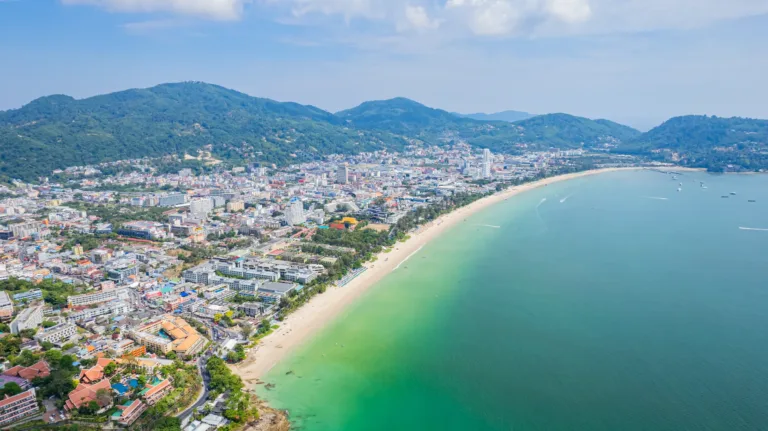 Patong Beach
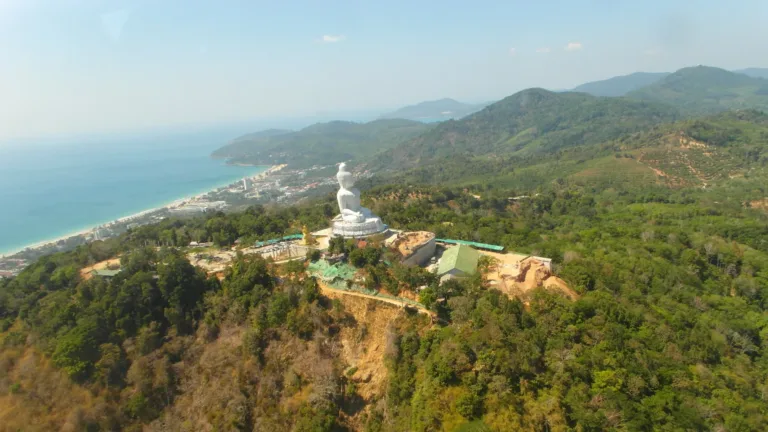 Phuket Big Buddha
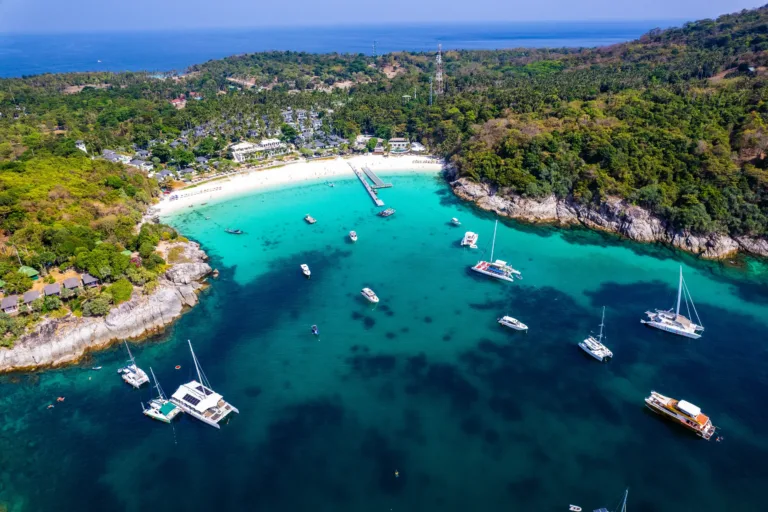 Koh Racha (Racha Islands)
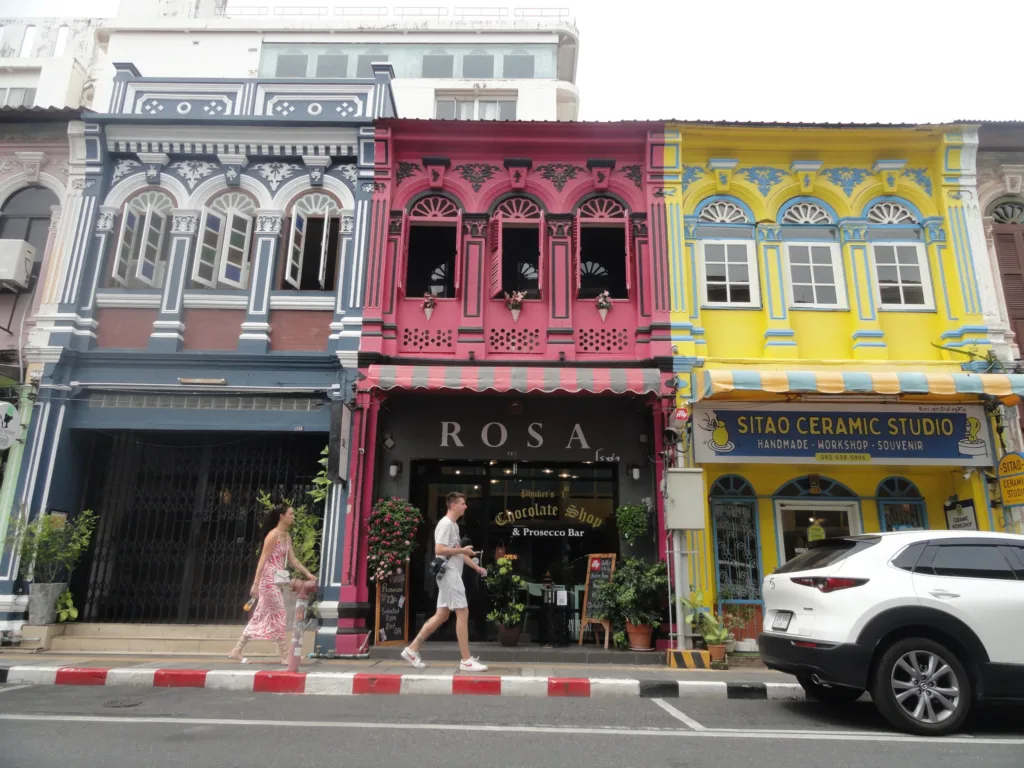
Ready to go to Phuket Old Town?
Best day this week: Tuesday 1 Dec · Check in when you arrive to collect a stamp